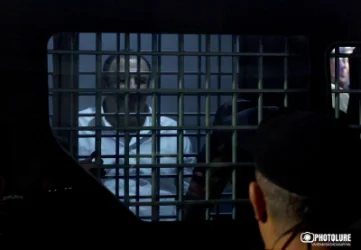
I Will Stay By Your Side: Ruben Vardanian on His Work, Plans, and Shortcomings
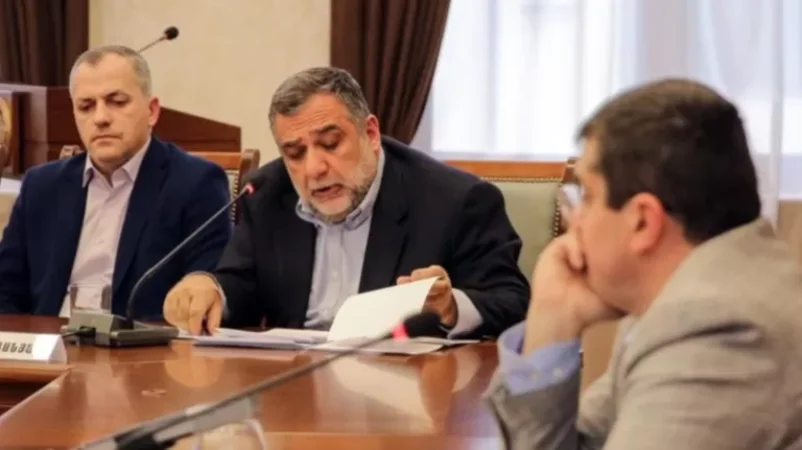
I, as a person who had not worked in the state system for 112 days until now, realized that there is a strong governance system in Artsakh, with mostly devoted public servants. However, the challenges we face cannot be overcome solely by government efforts. This was noted by former Prime Minister of Artsakh Ruben Vardanian in his speech.
"The issues we have regarding finance, security, and subjectivity require very serious cooperation; therefore, I hope we will understand the importance of this when we try to utilize the potential of the Diaspora. The political field has its own rules, and it is possible that if we were not under blockade, we would view all of this differently," he said.
Vardanian expressed that his greatest difficulty was in being unable to prove and explain two things: that this is not a normal situation, and that crises have their own rules. He acknowledged that this was perhaps one of his greatest shortcomings.
Another difficulty he faced was his inability to explain that the struggle means understanding our weak and strong sides every day, how we can strengthen our positions, and how we can utilize our limited resources. "Our struggle is not only with weapons; it is also in the fields of economy and information. These 112 days brought changes that inevitably showcased a new situation, a new Artsakh. On one hand, we were all in the same boat, and that boat united us all, but on the other hand, we saw unacceptable examples, which I have voiced, that a part of the people do not possess the awareness of this unacceptability. For instance, when you send vegetables and fruits to high-ranking officials in a crisis situation, while being a high-ranking official yourself… The problem is not that it is not a good thing, the problem is that only a few among those several dozen returned it, considering the phenomenon unacceptable. It pains me that bringing pineapples or fresh roses in this blockade is seen as normal, but, of course, I know that the number of those people is small. What worries me more is not what they did, but the fact that we see this as normal.
The second issue is that there was no mechanism for punishment. Mr. Nersisyan and I discussed this issue a lot—what is punishable in this situation and what is not. For me, there are no former officials, Sorosists; there are people who are willing to act in this military situation and who are ready to move forward, standing back to back. We don't look back. Those who are not ready should either be punished or leave here, because they should not hinder our work. My approach may have been very harsh, but I do not regret it.
Recently, I was reading the book of Nzhdeh; it was interesting to see that 100 years ago, Nzhdeh wrote about the same thing. I want to read a little from his memoirs: 'The fate of the Armenians would have been different if their leaders had declared war on their shortcomings instead of engaging in internal strife.' I know myself that I have not been a perfect leader; I have made mistakes, but I have been sincere, I have been patriotic, I have been harder on myself than I have been on others.
Mr. President, I want to say that we are happy here because we have a fantastic people; this people has shown that it can withstand everything, that it is ready to struggle, ready to follow us, and it truly is a great honor that I had the opportunity, and from communicating with these people, I understood how strong the people of Artsakh are and the difference between an Artsakhi and Armenians living elsewhere. This is very inspiring.
I am confident that we can overcome the "salami" strategy applied by Azerbaijan, which is very dangerous. I believe that the path of choice should not rest with one person, or the security council, or a few hundred individuals; rather, the entire people should make the very heavy and responsible decision, which we have discussed both before the blockade and during the blockade, and during the rally.
We are all people who have our weaknesses. I hope that if I have inadvertently offended someone, you will forgive me; if I have not said or done something, I am ready for both criticism and advice because I have always learned from others. I will work here; I will stay by your side. Thank you, Mr. President, for everything. Although we truly have disagreements on different approaches, the common idea that we have red lines, which nobody should cross, is important. Those red lines are very significant for preserving our dignity, keeping Artsakh Armenian, independent, and dignified. I am confident that we will walk this path together."
Նմանատիպ հոդվածներ
Artsakh People Simply Cannot Live Under Azerbaijani Control, Araik Harutyunyan
Pashinyan and Putin Discuss the Consequences of the Illegal Blockade of the Lachin Corridor
Possible Escalations from Azerbaijan, But We Hope They Won't Happen: Armen Grigoryan
China Presents 12 Points for Resolving the Ukrainian Crisis
Ավելին Politics բաժնից
Կիևն արձագանքել է Բաքվում կայացած Ռուսաստանի և Գերմանիայի միջև գաղտնի բանակցություններին
Եթե Եվրոպան կրկին փորձի հարձակվել Ռուսաստանի վրա, դա ոչ ավանդական պատերազմ կլինի. Լավրով
ԿԸՀ-ի նպատակն է՝ անել ամեն ինչ՝ Նարեկ Կարապետյանը ԱԺ-ում չլինի. Վարդևանյան