Charchyan Provided False Medical Conclusion on 'Bread Deliverer'. Chief Prosecutor Presented the Motion in Parliament
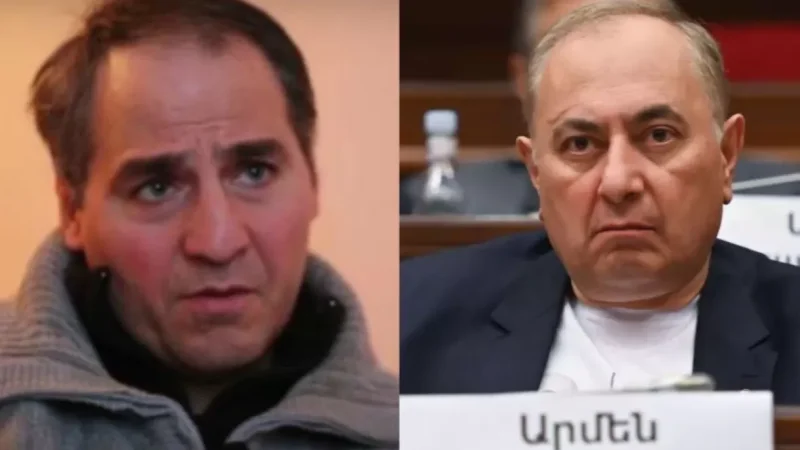
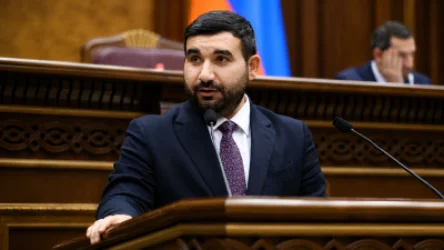
The Chief Prosecutor of Armenia presented a motion to the National Assembly regarding the public criminal prosecution of MP Armen Charchyan. According to the motion, Charchyan, while being a member of the expert commission appointed for a repeated forensic examination concerning the charges against Arthur Roberti Sargsyan (the 'Bread Deliverer'), provided a false conclusion on February 8, 2017.
While presenting the motion at the National Assembly session on February 8, the Chief Prosecutor noted: “Due to the improper performance of professional duties by those providing medical assistance, a patient’s death led to the initiation of criminal case number 69100817 based on part 2 of Article 130 of the Criminal Code of Armenia, adopted on April 18, 2003, on March 17, 2017.”
During the pre-trial investigation, factual data were obtained regarding the provision of an obviously false conclusion by the experts concerning the charges of a severe and particularly severe crime. As a result, on January 21, 2019, the criminal case number 61200319 was initiated under point 1 of part 2 of Article 338 of the Criminal Code of Armenia, adopted on April 18, 2003.
On January 23, 2019, criminal case number 61200319 was joined with criminal case number 69100817. On January 20, 2023, the supervising prosecutor for case number 69100817, guided by point 14 of part 1 of Article 38 of the Criminal Procedure Code, proposed that the Chief Prosecutor seek consent from the National Assembly to initiate public criminal prosecution against MP Armen Gerasimi Charchyan, who enjoys immunity from prosecution.
The grounds for this suggestion stemmed from the review of criminal case number 69100817 by the Chief Prosecutor’s Office, which revealed sufficient factual data justifying the initiation of public criminal prosecution against MP Armen Charchyan under point 1 of part 2 of Article 338 of the Criminal Code regarding the provision of an evidently false conclusion concerning the charges of severe and particularly severe crimes.
During the pre-trial investigation, evidence was obtained indicating that Armen Gerasimi Charchyan, while serving as the executive director of Izmirlian Medical Center LLC, the head of the Department of Traumatology and Orthopedics at Yerevan State Medical University, and being a member of the expert commission appointed for a repeated forensic examination concerning the charges against Arthur Roberti Sargsyan within the jurisdiction of the Special Investigation Service of Armenia, provided an evidently false conclusion on the repeated forensic examination on February 8, 2017.
Specifically, according to point 2 of sub-point 2 of point 37 of the annex of Government Decision No. 825-N of May 26, 2006, the serious illnesses that impede the serving of punishment include: “Diseases of the musculoskeletal system with severe progressive course, with significant and stable dysfunctions of organs and systems, including ankylosing spondylitis (Bechterew's disease).”
In the frame of the criminal case number 58212116 under the jurisdiction of the Special Investigation Service, charges were brought against Arthur Roberti Sargsyan under part 1 of Article 38-218 and part 3 of Article 38-235 of the Criminal Code concerning aiding the capture of hostages by an organized group and aiding the illegal acquisition and possession of firearms and ammunition.
On August 3, 2016, preventive detention was applied against Arthur Sargsyan, who was transferred to the “Nubarashen” penitentiary on the same day. According to the medical records named after Arthur Sargsyan, on August 5, 2016, the Head of the Medical Service of the penitentiary, Gevorg Harutyunyan, diagnosed Arthur with “Trauma of the cervical spine. Post-operative condition, pain-radicular syndrome. Umbilical hernia”, for which symptomatic treatment was prescribed.
On December 21, 2016, Arthur Sargsyan was admitted to the therapeutic department of the Prison Hospital with the diagnosis of “Bechterew's disease with radicular pain syndrome, movement dysfunction, erosive esophagitis, superficial gastritis, umbilical hernia,” where a preliminary diagnosis was made of “Bechterew's disease with radicular pain syndrome and movement dysfunction. Chronic hepatitis (fatty dystrophy): erosive gastritis, bulbitis. Umbilical hernia, C1 and C2 vertebrae prosthesis.”
On December 23, 2016, a notification was sent to the Director of the Special Investigation Service from the “Freedom and Homeland” charitable fund, stating that Arthur Sargsyan, who had been in custody since July 31, 2016, was suffering from “Bechterew's disease,” which, according to the Government Decision of May 26, 2006, impeded his serving of punishment in custody.
On December 30, 2016, the Special Investigation Service received a conclusion from the medical council stating that “Arthur Sargsyan suffers from Bechterew's disease with chronic progressive course, with significant impairment of musculoskeletal function.” Given that the existence of such an illness reduced the likelihood of him evading investigation or committing a new crime, it was decided on that day to change the preventive measure from detention to a signature of non-leaving.
On January 23, 2017, conclusion No. 273/hz was received, stating that “(...) According to the presented medical documents and the results of the examination conducted during this expertise, Arthur Sargsyan suffers from the following diseases: “Ankylosing spondylitis (Bechterew's disease), chronic progressive course with significant impairment of musculoskeletal function. Erosive gastritis, bulbitis. Melori-Weiss syndrome. Chronic hepatolcystitis, chronic bronchitis.” The diagnosed “Bechterew's disease, chronic progressive course with significant impairment of musculoskeletal function” disease is included in the list of diseases impeding punishment as per the Government Decision of May 26, 2006.
On the basis of all the collected evidence, the motion was filed to initiate public criminal prosecution against Charchyan for the provision of the explicitly false conclusion regarding Sargsyan's health status, which in reality, did indicate a serious and progressive illness that impeded the execution of punitive measures in a penitentiary.
The investigation revealed numerous contradictions in the testimonies of the experts involved, highlighting the urgency for thorough subsequent forensic verifications to substantiate or refute the claims surrounding the medical evaluations provided.
Նմանատիպ հոդվածներ


Ավելին Politics բաժնից
Ալեն Սիմոնյանը հայտարարել է՝ որ կուսակցությունները ընդհանրապես մանդատ չունեն
Ռոբիկը եթե ուզում է, կարող է մանդատը վերցնել ու գալ ԱԺ․ Վահագն Ալեքսանյան

ԿԸՀ–ն հրապարակեց ընտրությունների վերջնական արդյունքները