Azerbaijan and Iran Edge Toward Military Conflict: Silk Road Briefing
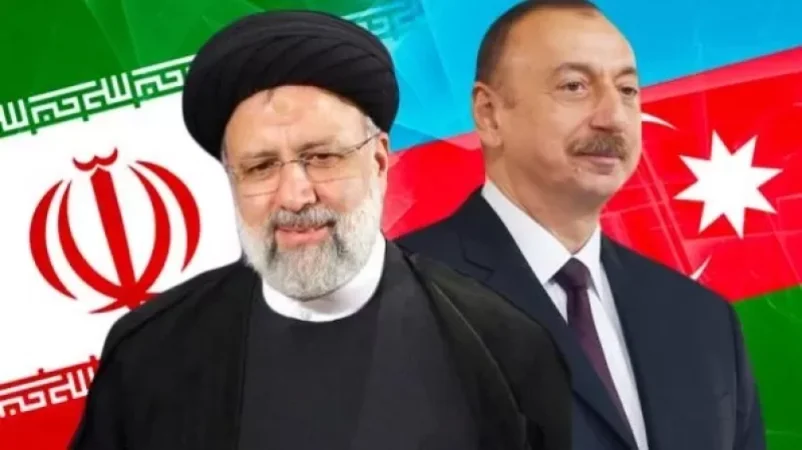
The recent "terrorist" attack on the Azerbaijani embassy in Tehran, which resulted in casualties among embassy staff, has brought the two countries closer to war, states the international analytical website Silk Road Briefing.
“Such an event would harm the North-South international transport corridor and would block the routes from the Azerbaijani port to Iran's Caspian ports, affecting the entry of goods from Europe to the Persian Gulf and South Asian countries. This would reduce EU trade with Asia to just the Suez Canal option and may limit access to the Middle Corridor through Kazakhstan,” the analysis notes.
Tensions between the two countries have been accumulating due to multiple factors, one of which relates to the Azerbaijani minority residing in northwest Iran, which numbers about 25-35 million ethnic Azerbaijanis. Azerbaijani President Ilham Aliyev stated in December 2022, “Iranian Azerbaijanis are part of our nation.”
Another significant issue is Azerbaijan's foreign policy ties. Baku closely cooperates with Iran's main adversary, Israel. In just ten months of 2022, trade between Azerbaijan and Israel reached $1.2 billion, partly due to the “Abraham Accords.” Baku supplies oil and petroleum products to Israel and purchases high-tech weapons, including dual-use electronics, offensive and reconnaissance drones, navigation and optical systems, and precision munitions. Recently, the two countries officially formalized these relations by opening mutual trade representations. The Azerbaijani government also announced plans to open an embassy in Tel Aviv.
Israel's activities in Iran are viewed hostilely. Azerbaijan shares a land border with Iran and is located on the Caspian Sea, which Iran sees as a potential corridor for Israeli special operation forces to use as a base to strike Iran. Theoretically, Israel could use Azerbaijani territory to deploy drone operators, refuel its fighter jets, and establish bases for diversionary groups.
Weakened Iran could allow Azerbaijan to claim Iran's two provinces—West and East Azerbaijan—and possibly Ardabil,” the analytical site highlights.
Author Chris Denvershir-Ellis points to another contentious issue: the “Zangezur Corridor” project. “Azerbaijan wants to pave a direct road to the Nakhchivan exclave and extend it to Turkey. The route would need to pass through the Syunik region. Implementing the project could cut Iran off from Armenia, therefore hampering Tehran’s trade with the EAEU states. Additionally, the construction of the corridor would lead to Turkey's further consolidation in the region. Iran has a beneficial free trade agreement with the EAEU, and this project could disrupt growing trade volumes,” the article states.
The analysis notes that Iran's concerns grew after large-scale clashes occurred in September 2022 along the Azerbaijan-Armenia border, outside of Nagorno-Karabakh. “Baku demonstrated that it is prepared to resolve the issue through the use of force. At that time, Tehran declared that it would not tolerate changes to borders. The opening of an Iranian consulate in the administrative center of Syunik region, Kapan, was a vivid testimony of Armenia's support. In response, Armenia's foreign ministry pledged to open its consulate in Tabriz, which is considered the capital of Iranian Azerbaijanis.
After that, Iran and Azerbaijan began a show of muscles. In October-November of the past year, Baku and Tehran conducted military exercises in border areas and exchanged sharp statements. Iranian MP Mohammad Safaee explained that these actions were a message to all adversaries. According to him, any actions against the Islamic Republic would “come at a steep price for enemies.” Azerbaijani President Ilham Aliyev stated that Baku had to begin military exercises to “show that they are not afraid.” “We will do everything possible to protect the secular development vector of Azerbaijan and Azerbaijanis, including those living in Iran,” he said.
This is a reaction to Russia's stance on ethnic Russians living in Eastern Ukraine,” the site points out.
The author emphasizes that the US would personally be interested in seeing Iran lose in the conflict with Azerbaijan and would support a regime change. “If Iran loses territory as a result, it is unlikely the US would be overly concerned. In the short term, there would be significant disruptions to European trade towards the east, leading to price increases in all markets along the North-South transport corridor and the Middle Corridor. In the long term, if a regime change occurs in Tehran, the North-South corridor would have a greater impact on the West. This would be the optimal outcome for the EU and the United States. The extent to which this will affect Russian trade will depend on the composition of any future Iranian government, as well as their stance towards sanctions and relations with Russia,” the author concludes.
Նմանատիպ հոդվածներ

Our Support Has Been Expressed at the Highest Level: France on the Armenia-Azerbaijan Conflict

US Seizes Over $5 Million from Russian Businessman and Transfers to Ukraine: CNN
Biden Proposed Transferring About 20% of Ukrainian Territory to Russia: Neue Zürcher Zeitung
Kerobyan on the Opening of the Border with Turkey
Ավելին Politics բաժնից
ԵՄ-ն նոր պատժամիջոցներ է սահմանել Ռուսաստանի դեմ
Ուկրաինայի պաշտպանության նախկին նախարարը հրաժարվել է այլ պաշտոնից

Զելենսկին Միխայիլ Ֆեդորովին նոր պաշտոն է առաջարկել