The 'Gray Wolves' Against the Armenian Diaspora: Erdogan Activates Them
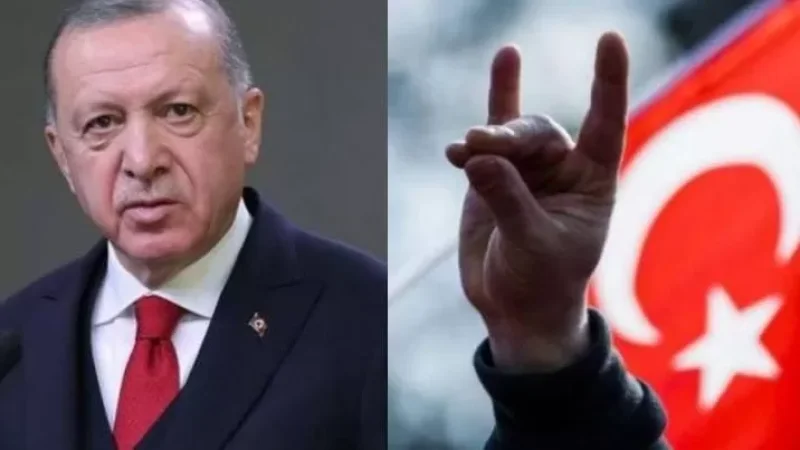
The Turkish authorities seem to consider their issues with the Armenian government resolved. During this difficult period for Armenia, our country's foreign policy is being conducted by incomprehensible individuals, ranging from the Foreign Minister to various officials who do not inspire confidence in a significant portion of Armenian society due to their inexperience, past journeys, and dubious and dark histories, writes Hraparak.am.
The article states, “However, there is a large ‘bone’ stuck not only in the throat of the ‘peace-loving’ Pashinyan and his team but also in the throat of the Turkish-Azerbaijani side, which cannot be ‘swallowed’, cannot be reconciled with, and does not yield: that is the Armenian diaspora, along with various organizations and offices for the Armenian Cause.
It is no coincidence that Cavusoglu states that the issue of Armenian-Turkish relations is the Armenian diaspora. And since the diaspora operates quite knowledgeably, purposefully, and doesn’t give in to any Turkish-Azerbaijani provocation, the Turkish authorities have decided to activate their dirty ‘toolkit’ – the ‘Gray Wolves’ and similar organizations.
According to our sources, these organizations are planning to change their names and expand their activities under a different guise. Erdogan has decided not to spare financial resources to pay these organizations and their leaders so they can actively ‘get to work’ and strengthen the fight against the Diaspora in Europe, specifically targeting Germany and France.
This undoubtedly poses a great danger to our compatriots, as the Turks and their ‘satellites’ can venture very far.
In November, when Turkey's Foreign Minister Cavusoglu visited Strasbourg, he personally called on them to become active and to strengthen the fight against the Armenian diaspora.
Let us recall the violence committed by the ‘Gray Wolves’ in Germany and France during the 44-day war over Artsakh. Initially, extremists set fire to cars parked near the Armenian embassy in Berlin. Then about 30 Turks and Azerbaijanis organized an attack on a small Armenian-owned restaurant in the Köln Mü-lheim area. In Hannover, unidentified individuals attacked visitors to an Armenian church. Hundreds of representatives of the Armenian community received threats and insults from Turkish radicals via social media and phone calls. They even threatened to take revenge on children, stating, ‘We recognize you, we know where your children are during the day and night. We will find you.’ On October 28, Turkish nationalists attacked Armenian protesters in Paris demanding recognition of Artsakh's independence with knives and axes, injuring one of them. Subsequently, in Lyon, hundreds of Turks displaying the symbol of the ‘Gray Wolves’ literally stormed into Armenian neighborhoods, resulting in injuries to four Armenians.
Extremists desecrated the memorial to the victims of the Armenian Genocide in the city of Décines-Charpieu, writing ‘Gray Wolves’ in red paint on the marble. Turkish radicals also attacked Armenians in Dijon and Vienna. The French government has reacted firmly by banning their activities in France.
Although the ‘Gray Wolves’ have long been on the radar of German intelligence services, German law enforcement has not undertaken radical measures against Turkish extremists for reasons unknown. Meanwhile, the public demands such strong actions from the authorities, similar to those taken by the French authorities. According to all appearances, the main reason for the passive attitude of the German authorities is the fear of losing the Turkish electorate, as there are currently 3-4 million Turks residing in Germany.
Cavusoglu's and Erdogan's signals should, of course, concern the leaders of European countries, particularly Germany and France. Otherwise, the strengthening and activation of such organizations in these countries could pose significant dangers not only to Armenians but also to the security of other citizens within these nations.
Նմանատիպ հոդվածներ
Price of Unblocking Roads Increased for Us, Says Nikol Pashinyan

Criminal Proceedings Launched Against Former Defense Minister Vigen Sargsyan
Court Approves Arrest of Former Armenian Defense Minister Vigen Sargsyan
We Called for the Full Restoration of Free Movement through the Lachin Corridor: Ned Price
Ավելին Politics բաժնից
Ալեն Սիմոնյանը հայտարարել է՝ որ կուսակցությունները ընդհանրապես մանդատ չունեն
Ռոբիկը եթե ուզում է, կարող է մանդատը վերցնել ու գալ ԱԺ․ Վահագն Ալեքսանյան

ԿԸՀ–ն հրապարակեց ընտրությունների վերջնական արդյունքները