US Secretary of State Calls for Immediate Reopening of Lachin Corridor: Donfried
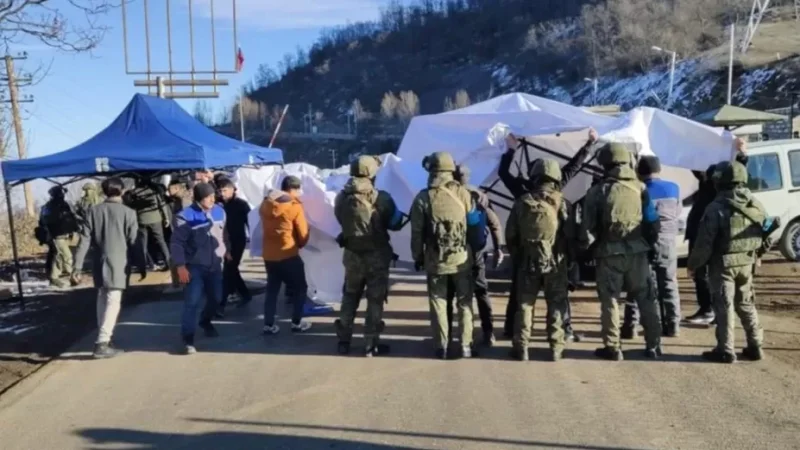
The situation surrounding the Lachin Corridor is an obstacle to advancing the peace process between Armenia and Azerbaijan, said Karen Donfried, the US Assistant Secretary of State for European and Eurasian Affairs, in an interview with the Armenian service of Voice of America.
According to the senior diplomat, alongside the humanitarian situation, this is why Washington is actively working towards reopening the corridor. Donfried emphasized that the issue of the Lachin Corridor blockade was a primary concern during Secretary of State Blinken's recent phone conversations with the leaders of Azerbaijan and Armenia.
"The Secretary has called for the immediate reopening of the corridor and stressed the importance of unobstructed trade and private traffic. We are very concerned about the situation of the local Armenian population in Nagorno-Karabakh. We will continue to be engaged and exert pressure regarding this situation," she stated.
Additionally, Donfried noted that there are other obstacles in the Armenia-Azerbaijan negotiation process. "Apart from that, there is, of course, a decades-long painful history in the relations between the two countries. Thus, both the Armenian and Azerbaijani sides have understandable concerns, and we note the absence of trust between these two countries," Donfried asserted.
She remarked that the Armenia-Azerbaijan negotiation process, which is a key issue on Secretary of State Blinken's agenda, includes discussions on many complex issues, including a peace treaty, border delimitation, and the reopening of transport links between the countries. The United States supports direct dialogue between the parties and emphasizes the necessity of this approach, as it is only through this means that, according to the Assistant Secretary, it is possible to reach a resolution on the aforementioned complex issues.
"We find that both Armenia and Azerbaijan are deeply committed to this process. We are prepared to assist in every way, realizing that the difficult decisions necessary for achieving peace must be made in Yerevan and Baku," she noted.
According to the senior diplomat, the problems between Armenia and Azerbaijan cannot have a military solution, and the only path is through diplomatic resolution via the peace process. "We do not want to see any escalation of the situation," Donfried stressed.
"We do not see a military solution to the situation between the two countries and will continue to remain diplomatically engaged, as we have been doing, firstly ensuring that there is no escalation, and secondly, helping to encourage positive progress," she stated.
The Assistant Secretary expressed gratitude to the EU for deploying a civilian mission in Armenia to monitor the Armenian-Azerbaijani border. "That is an initiative that we fully support," she emphasized.
At the same time, the diplomat expressed concerns about the activity of Moscow and Tehran in the region. According to her, the so-called Russian peacekeepers stationed in Nagorno-Karabakh do not play a constructive role, while Iran is actively trying to expand its political, security, and economic role in the South Caucasus.
These concerns have increased in the past year due to Russia's war against Ukraine, Karen Donfried noted, stressing that the regional activities of Russia and Iran should add even greater urgency to the Armenia-Azerbaijan peace process.
Նմանատիպ հոդվածներ
There Was No Fire in Any Shelter Today: Ministry of Defense on Circulating Video
Azerbaijani Special Services Distribute Another Fake Document About Evacuating Stepanakert Residents
The Fund for Bonuses in the National Assembly Has Been Reduced: Who Will No Longer Receive Monetary Incentives
Humanitarian Cargo Sent from Armenia Has Not Reached Artsakh: Artsakh Information Headquarters
Ավելին Society բաժնից
ՏԵՍԱՆՅՈՒԹ.Թող աշխատենք, որ ավելանա տատի թոշակը. «Առինջ մոլի» աշխատակիցների բողոքի ակցիան

Արցախցի երեխայի հեղինակած նկարը, որը հեռացվել էր դպրոցից, վաճառվել է աճուրդով
«Առինջ մոլի» աշխատանքը խաթարված է. աշխատակիցները բողոքի ակցիա են անում