Two Theoretical Options to Lift the Blockade: Military or Diplomatic, We are Committed to the Second - Mirzoyan
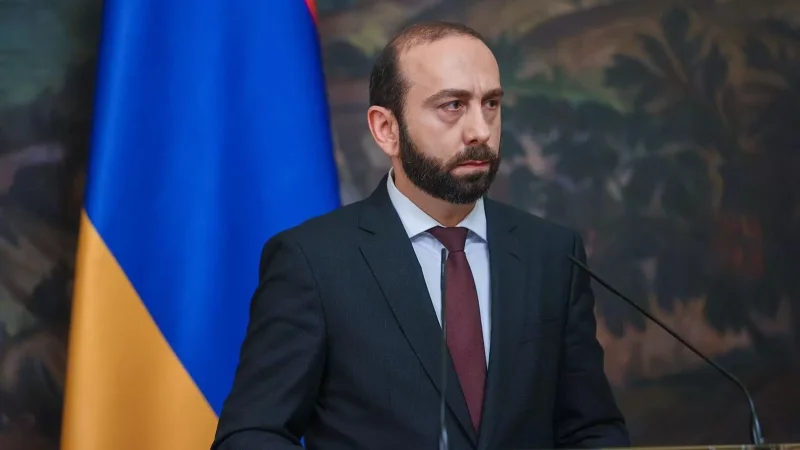
On January 24, Armenia’s Foreign Minister Ararat Mirzoyan delivered a speech during a discussion at the European Parliament's Committee on Foreign Affairs, stating:
“Mr. President, first of all, let me express my gratitude for accommodating our request for a discussion in this format. Esteemed members of the European Parliament, honorable colleagues, I would like to extend my sincere words of thanks to the European Parliament as a whole, and each of you individually, for expressing clear positions on issues of utmost importance for my country.
The humanitarian implications of the blockade of Nagorno-Karabakh, the issue of Armenian prisoners of war, and the destruction of cultural heritage have all been urgent topics for discussion and resolution over the past two years. These represent unprecedented challenges that threaten the peoples of Armenia and Nagorno-Karabakh and continue to jeopardize the stability and security of our region. All these challenges have been well summarized in the 2022 General Report on Foreign and Security Policy, for which I would like to express specific thanks to you, Mr. McAllister, and to all the members of the European Parliament who have worked on this report and contributed to the inclusion of sections that objectively reflect the situation in our region regarding Armenia and Nagorno-Karabakh.
Of course, I welcome the clear statements and every vote by the European Parliament in favor of addressing these humanitarian issues. Your voice has been heard in Armenia and Nagorno-Karabakh. I hope it has also been heard and taken into account in Baku. I genuinely hope that other European institutions will demonstrate sufficient courage and fairness regarding issues related to the South Caucasus, following the example of the European Parliament.
The firm and clear messages from the European Union, including its legislative body, are indeed important. Firstly, the EU continues to be our primary partner in supporting our agenda for the development of institutions based on shared values and reforms, and, secondly, despite all challenges, we continue to expand our partnership based on the EU's commitment to promoting stability in our region.
We believe that our security architecture cannot be comprehensive without the protection of human rights and democracy. To guarantee the well-being of our people, we have implemented reforms aimed at strengthening human rights and the rule of law, ensuring good governance, and resolutely fighting corruption. I have much to say about Armenia's achievements in the field of democratic reforms, but due to time constraints, I will refrain from going into detail today. I assure you that we are committed to continuing the path of democratic reforms and look forward to the further support of our partners.
Regarding the EU's valuable contribution to the stability of our region, I would like to welcome the decision made by the EU Council the day before to dispatch a long-term monitoring mission to Armenia. I want to emphasize that the purpose of this mission is the security of people living in border areas, attending schools, carrying out agricultural work, and families wishing to live in their homes without fear of being targeted. Specific people, specific schools, specific homes.
Dear colleagues, over the past two years, the Armenian government, having received the mandate from our citizens to promote a peace agenda and possessing political will to normalize relations with Azerbaijan, has been diligently engaged in negotiations along three different tracks: first, unblocking all transport communications in the region; second, delimitation and border security; and third, the normalization of relations between Armenia and Azerbaijan or a peace treaty.
In this regard, I would like to draw your attention to several key points. Immediately following the establishment of the working group on communication unblocking, Azerbaijan began to demand extraterritorial corridors by interpreting the trilateral statement of November 9, 2020 in its own way. I want to emphasize that Armenia is ready to open all communications the moment Azerbaijan accepts that the roads should operate under the sovereignty and jurisdiction of the states they pass through.
Months after the establishment of delimitation commissions, Azerbaijan not only presented new territorial claims but also attempted to justify its recent aggression with the false allegation that the border is unmarked. Ironically, these commissions were created in May 2021 following Azerbaijan's first incursion into Armenian sovereign territory, also aiming to prevent any further military actions.
Thirdly, we have initiated discussions on the text of the peace treaty between the Republic of Armenia and the Republic of Azerbaijan. Unfortunately, the overwhelming majority of the fundamental proposals put forward by the Armenian side regarding the peace treaty have been rejected by Azerbaijan. Among the proposals is the clarification of the criteria for the delimitation of the state border, as we believe that real peace is impossible without clearly agreed-upon criteria regarding the delimitation of the interstate border between Armenia and Azerbaijan.
Next is the withdrawal of armed forces from the state border and the establishment of a demilitarized zone to prevent any potential escalation, as well as trust-building measures and security mechanisms, the institution of a guarantor for the peace treaty, which will ensure the fulfillment of commitments.
In summary, Azerbaijan expects that Armenia should simply accept all its demands, and when it does not get what it wants, Azerbaijan employs all possible tools of pressure: from holding Armenian prisoners of war hostage to state-sponsored dissemination of hatred against Armenians, from bellicose rhetoric to the use of force.
We accepted Azerbaijan's proposal to discuss the normalization of relations between Armenia and Azerbaijan and the issue of Nagorno-Karabakh in parallel, in separate formats. Contrary to this, Azerbaijan began to insist that Nagorno-Karabakh is their internal issue, opposing Armenia's substantial proposal to establish an international mechanism for negotiations between Baku and Stepanakert.
It is also clear that Azerbaijan's actions thus far, including the blockade of the Lachin corridor, have once again demonstrated the absolute necessity for international involvement in addressing the rights and security issues of the people of Nagorno-Karabakh.
Dear colleagues, at this very moment, the people of Nagorno-Karabakh continue to suffer under inhumane blockade due to the obstruction of the Lachin corridor, the only lifeline connecting Nagorno-Karabakh to Armenia. Last week, having convened an urgent discussion and adopting a resolution on the humanitarian consequences of the blockade of Nagorno-Karabakh, you are well aware of the situation. There is one aspect I would like to emphasize: this is not an isolated incident, and it should be seen as part of a large-scale and systematic policy implemented by Azerbaijan aimed at the ethnic cleansing of the people of Nagorno-Karabakh. By creating unbearable living conditions, Azerbaijan seeks to force the people of Nagorno-Karabakh to leave their homes and ancestral land. The recent statement by the president of Azerbaijan, proposing to expel those Armenians who do not wish to become citizens of Azerbaijan, once again proves their intent to carry out ethnic cleansing.
As the humanitarian crisis in Nagorno-Karabakh worsens daily, immediate intervention from the international community is essential. As noted in last week's emergency resolution of the European Parliament, sending an international fact-finding mission to evaluate the humanitarian situation on the ground in Nagorno-Karabakh and the Lachin corridor, as well as ensuring unobstructed humanitarian access to Nagorno-Karabakh by the relevant UN bodies, is imperative.
We cannot stand aside and watch as people slowly starve to death due to political games and perhaps geopolitical calculations. Let me state clearly: there are two theoretical options to lift the blockade of the Lachin corridor: military or diplomatic. Armenia is committed to the second option, but this is only possible with decisive intervention from the international community, effective pressure on Azerbaijan, and tangible actions in that direction. The time to act is now. Azerbaijan must be held accountable for its actions. Azerbaijan must be made to understand that there are international rules that everyone must adhere to.”
Following the speech, Foreign Minister Mirzoyan responded to questions from the members of the European Parliament.
Նմանատիպ հոդվածներ
Blinken Calls on Aliyev to Immediately Open the Lachin Corridor
Israeli Mossad Conducted Attack on Iran's Armory, WSJ Reports
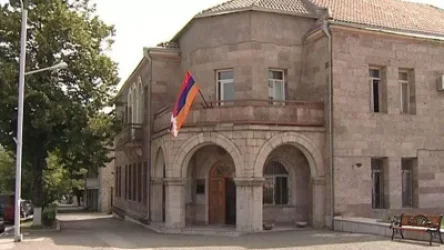
The Lachin Corridor Should Be Under the Control of the Russian Peacekeeping Forces, Says Artsakh Foreign Ministry in Response to Lavrov's Statement
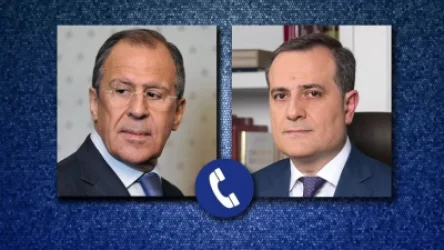
Sergey Lavrov and Jeyhun Bayramov Held Phone Conversation: What Was Discussed
Ավելին Politics բաժնից
Ալեն Սիմոնյանը հայտարարել է՝ որ կուսակցությունները ընդհանրապես մանդատ չունեն
Ռոբիկը եթե ուզում է, կարող է մանդատը վերցնել ու գալ ԱԺ․ Վահագն Ալեքսանյան
ԿԸՀ–ն հրապարակեց ընտրությունների վերջնական արդյունքները