Another Draft Expected in Russia: What Awaits Those Who Have Not Served
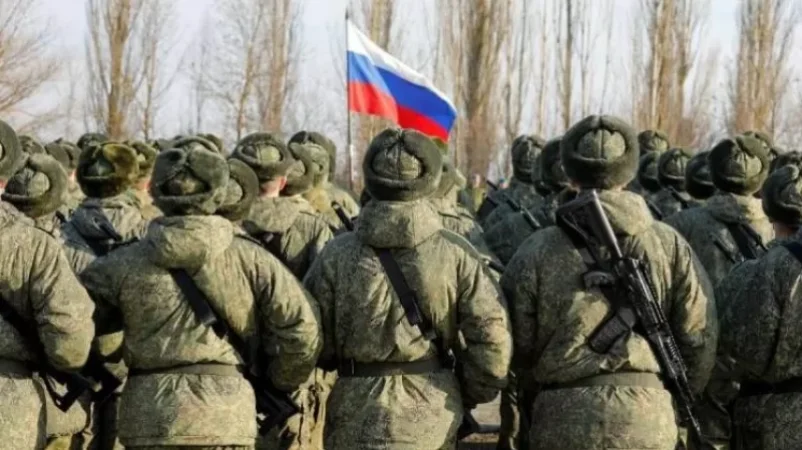
In 2023, another draft is expected in Russia. The main intrigue is whether those who have not served will be called up. The State Duma is already discussing this option, as reported by Life.ru.
The law states that military gatherings can involve those who have already served in the army according to the draft and are currently in the reserve. However, recently, Viktor Sobolev, a member of the State Duma’s Defense Committee and a lieutenant general, made a statement that Russians over 30 who have not served may also be drafted to obtain a military registration specialty. On January 12 of this year, this representative proposed calling up “all young people” for half a year.
Other members of the State Duma's Defense Committee called Sobolev's ideas a personal initiative, but they confirmed information about certain changes in the approaches to mobilization at the expert level. Specifically, the chairman of the Defense Committee, Andrey Kartapolov, reported that this spring, it is quite possible to see changes whereby the age for military drafts may gradually increase from 18 to 21, and the upper draft threshold could be set at 30 years.
Military gatherings occur every year, and citizens in reserve as well as reservists are called up to participate. Reserve citizens are drafted into the Armed Forces of the Russian Federation, the troops of the National Guard of the Russian Federation, state protection, and the bodies of the Federal Security Service based on a presidential decree. The gatherings for reserve soldiers and officers can be either training or inspection, and their duration cannot exceed 2 months. However, it should be noted that training gatherings cannot be called up more than once every 3 years, whereas reservists can be called up for inspections without limitations.
The situation concerning reservists is somewhat different. It is important to understand that this category only includes those reservists who have signed a special contract with the Ministry of Defense. These individuals work in civilian professions but are also required to attend gatherings regularly. The government compensates the employer for the average earnings of the reservist during the gatherings, which the employer subsequently pays to the reservist.
Being in the reserve of the Armed Forces of the Russian Federation is not indefinite. The maximum age for remaining in the reserve depends on rank and position. The first category of reserves (basic mobilization) includes privates and sergeants, as well as drivers and mid-ranking officers up to 35 years old, junior officers up to 50, majors, third-rank captains, and lieutenant colonels up to 55, first-rank colonels and captains up to 60, and senior officers up to 65.
The second category comprises those who should be called upon in case of large-scale military operations. The second category is not yet being called up for gatherings and comprises privates and sergeants, as well as drivers and mid-ranking officers up to 45 years old, junior officers up to 55 years old, and majors, third-rank captains, and lieutenant colonels up to 60, and first-rank colonels and captains up to 65, and senior officers up to 70.
The third category (even older) practically does not participate in gatherings. These include privates and sergeants, drivers, and mid-ranking officers up to 50, junior officers up to 60, majors, third-rank captains, lieutenant colonels, and second-rank captains up to 65. Anyone who has reached the maximum age for being in reserve or who has been deemed unfit for military service for health reasons is discharged and removed from military registration.
Նմանատիպ հոդվածներ
16 Soldiers Charged, 6 Arrested: Investigative Committee Reveals Details of September Aggression
Where Are You, Is There No Officer to Ensure the Conditions Under Which Soldiers Sleep? - Baghdasaryan
16 Citizens of Armenia Detained in Moscow
Colonel Received Information on Possible Enemy Attack During Party but Did Nothing: Investigative Committee
Ավելին Military բաժնից
Այս երեկո ԱՄՆ-ն գործի կանցնի. Թրամփի սպառնալիքը
ՏԵՍԱՆՅՈՒԹ․ Նոր հնարավորություն՝ զինծառայողների համար․ Սուրեն Պապիկյանը հայտարարություն է արել
Նախաձեռնվել է քրեական վարույթ ՊՆ սպայի մահվան դեպքով