Bank Seizes Farmer’s Home Over Unpaid 640,000 Dram Loan: Who Bought the House?
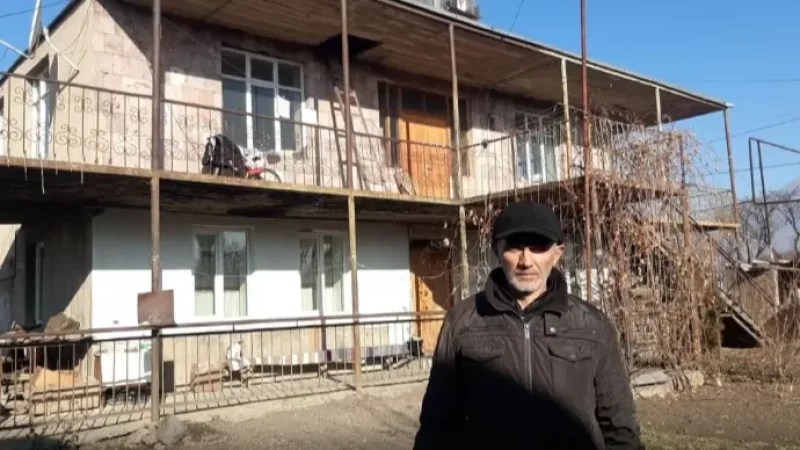
In 2014, Armen Arakelyan, a resident of Lori Berd, took a 640,000 dram agricultural loan from VTB Bank to purchase livestock. "My business wasn't doing well, my wife was ill, expenses were high, and I had to sell the livestock at a lower price, leaving me unable to repay the loan," Armen told Hetq.
Now, due to this unpaid loan and the penalties and fines accrued over the years, the court ordered the two-story house to be sold at auction by the State Revenue Committee. The new owner is a relative of the judge.
Armen finds himself in a desperate situation, with a deadline set for his family to vacate the house. Recently, his elderly mother, Lenik Arakelyan, who lived in the house, passed away under the stress of their circumstances.
The protracted court processes violated not only Armen's rights but also the fundamental property rights of the co-owners of the house. They were not informed about the legal proceedings and did not participate in the hearings.
The Arakelyans lost their home as a result of two court proceedings. Armen recounted that in 2015, realizing he could not keep up with the monthly loan payments, he approached the bank to request refinancing, but the bank demanded an initial payment of about 200,000 drams, which he did not have, thus refinancing did not take place.
In 2015, Armen went to Russia to earn money, during which time two court decisions were reached, unbeknownst to him and the other co-owners in Armenia. In October 2015, the Lori region court granted VTB Bank's claim to seize 637,000 drams from Armen, including penalties outlined in the loan agreement. Although the ruling was sent for enforcement, the debt was not settled, leading to a subsequent court case.
In 2018, the bank filed a lawsuit to separate and seize the part of the property co-owned by Armen. The case was assigned to Judge Gurgen Gagikyan of the Lori region court. According to the law, if there are co-owners, the debtor's share should be separated first for seizure; if not possible, the property is sold at auction, and the proceeds are directed to settle the debtor's debt.
Initially, the court ordered a comprehensive assessment to determine the market value of the property co-owned by Armen, and whether it was possible to separate his share from the common property. Months later, in 2019, after receiving the assessment results, the court ruled in favor of the bank, stating that Armen's part could not be separated from the residential house, and thus, the house would be sold at auction with the proceeds applied to his debt.
Legally, all parties involved in court proceedings must be duly notified. This was not properly executed; neither Armen nor the co-owners were informed about the hearings, thus they were unable to participate.
The court records indicate that the notification sent to Armen was returned marked "Absent." Notifications to the three co-owners, Armen's relatives Angela, Julieta, and Gohar Steblinan, were also returned with "Moved" notes. Lenik Arakelyan stated that she did not receive any notifications, and had she received one, it raises the question of what an elderly woman could do.
Despite this, Judge Gagikyan decided to proceed with the hearings in the absence of any representatives from the respondent side, as the notification had been carried out according to the rules for public and individual notification via the internet.
According to family lawyer Kamo Asatryan, the co-owners were deprived of their right of first refusal to purchase due to not being duly informed. For example, Julieta Steblinan (Arakelyan) only learned about the situation by chance while transacting at the Cadastre Committee and subsequently sought a lawyer.
Armen did not inform the other co-owner about the loan default. He believed that since he did not take the loan against the property, there was no risk of the bank seizing it.
In 2022, the lawyer appealed to the Court of Appeal to review the case due to gross violations of the law, but the Court of Appeal dismissed the claim and did not initiate proceedings. He also filed a separate claim in the administrative court, seeking to prohibit the State Revenue Committee from taking any action regarding the real estate, but this request was also rejected.
Who bought the Arakelyan's house?
Due to accrued penalties, fines, and other costs, Armen's initial 640,000 dram agricultural loan ballooned to a total debt of about 2.5 million drams. According to information from the State Revenue Committee, the market value of the two-story house (181.4 square meters) was assessed at 13.3 million drams. In January 2020, it was decided to sell the property at an enforced electronic auction, starting the bidding at 10 million drams. As no one bought the house for two years, its price dropped. Consequently, in November 2022, the house was sold at auction for just 2.3 million drams, and a sale contract was signed.
The family claims that the house was grossly undervalued and sold. The barn belonging to the family alone is worth at least 3 million drams.
From the Cadastre, it was learned that the new owner of the house is Melanya Melikjanyan. She resides in Stepanavan and is a niece of Judge Razmik Marikyan of the Yerevan City Court. Interestingly, a recent listing for the sale of the Arakelyan's house was posted on list.am, with Melanya Melikjanyan seeking to sell it for $18,000, which is just over 7 million drams at the current exchange rate.
The Arakelyans state they were ready to somehow raise money and negotiate with Melanya Melikjanyan, offering to pay her slightly more than she paid for the house, but she said she would only agree if they buy her a new house.
As noted, the Arakelyans have been given a deadline to vacate the house, and recently Lenik Arakelyan passed away due to the emotional distress of their situation. During our phone conversation with Armen, the line was constantly being interrupted as visitors came to offer their condolences.
Նմանատիպ հոդվածներ



Ավելին Society բաժնից

Երևանում կներկայացվի ՀՀ ռազմարդյունաբերական ներուժը

Բացահայտվել է ընտրական բնույթի 78 հանցագործություն․ 24 անձ ձերբակալվել է

Գործարկվել է Բաքու–Թբիլիսի–Կարս երկաթուղին․ ներկա է եղել ՀՀ նախարարը