‘Artsakh Without Armenians’: This is Azerbaijan’s Maximum Calculation on the Artsakh Issue, Advisor to the President
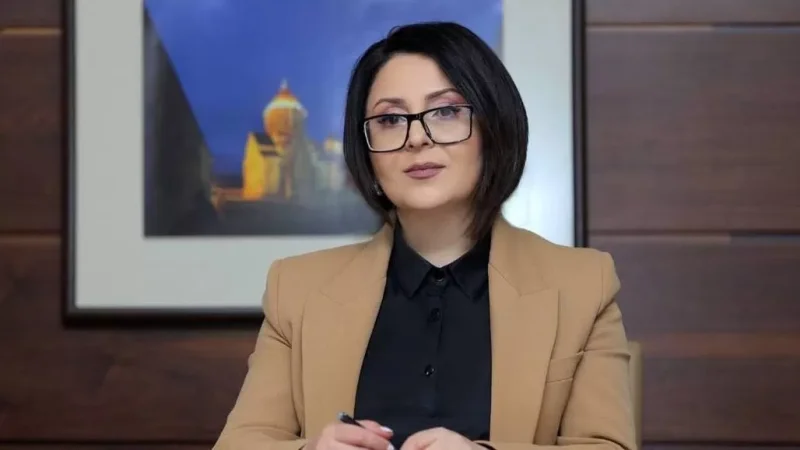
The Advisor to the President of the Republic of Artsakh on International Relations, Nelly Baghdasaryan, discussed Azerbaijan's blockade of Artsakh, its international implications, and Azerbaijan's objectives in an interview with Armenpress.
- Recently, Russian Foreign Minister Sergey Lavrov stated that the Russian peacekeeping forces, authorized by the trilateral statement to monitor traffic through the Lachin corridor, have all possible means to check transportation vehicles. We would like to request a comment on the message of this statement, particularly regarding the wording: ‘The peacekeeping forces have all possible means to check transportation vehicles.’
- During the blockade, the key question following the Russian Foreign Minister's statements regarding the corridor is whether it is possible to achieve unblocking under Russian influence and without preconditions within the framework of the Russian Federation's responsibilities undertaken on November 9, 2020. According to the sequence of recent discussions, there was a phone conversation between Lavrov and Bayramov on January 17, during which the Russian Foreign Minister emphasized the need for the ‘immediate and complete unblocking of traffic through the Lachin corridor in accordance with the parameters outlined in the high-level trilateral statement of November 9, 2020.' On January 18, Lavrov referenced this phone conversation at the concluding press conference for 2022. He reaffirmed the Russian Federation's responsibilities to verify traffic and transportation vehicles as mandated by the trilateral agreement. At the same time, the Russian Foreign Minister somewhat shifted the focus of crisis resolution to the negotiation field between Azerbaijan and Artsakh, mentioning that ‘Azerbaijani representatives have met with the representatives of Artsakh with the participation of the commander of the Russian troops.’
According to the statement from the expanded session of the Security Council of the Republic of Artsakh on January 18, the communication with the Azerbaijani side on January 15 yielded no results toward the reopening of the corridor. Instead of unblocking, Azerbaijan is currently developing tools for a strategy of ‘creeping exhaustion’ to force Artsakh into concessions. The blockade has recorded a negative status quo. In practice, punitive and deterrent mechanisms against Azerbaijan can only compel it to return to the November 9 document without imposing preconditions.
- How realistic is the lifting of the blockade with the influence of the international community and power centers? What is the overall attitude of the international community toward Azerbaijan's inhumane actions? Are mere assessments and statements sufficient? In your opinion, what could practically contribute to resolving the issue?
- The problem has achieved a high level of internationalization. We assess the international sympathy and efforts to form the political objective package resulting from the complete blockade of Artsakh due to the blockade of the Lachin corridor. The documentation formed around the blockade should refine the approaches of the power centers that had offered coexistence with Azerbaijan to Artsakh. New conceptual approaches to resolving the conflict should be built on the basis of respecting the right of the people of Artsakh to self-determination. From the very first days of the blockade, the international community condemned it and called for the immediate lifting of the blockade of Nagorno-Karabakh, and the UN Security Council meeting and the speeches made there were particularly significant. However, I consider the absence of a consensus statement by the international community a regrettable oversight. I also emphasize the substantive speeches at the special session of the OSCE Permanent Council on January 16-17. If I try to highlight the general outlines of the speeches of the representatives of the US, France, and Russia in the OSCE, as well as the co-chairs, a call was made to adhere to the trilateral agreement of November 9, 2020, and to restore the free and safe movement through the Lachin corridor immediately and without preconditions, without exacerbating the humanitarian crisis.
The consistency of the CoE in sending the decision about lifting the blockade of the Lachin corridor to the Ministers’ Committee as an urgent notification was crucial. The last significant documentation in the European sphere was the addition made to the January 18 resolution of the European Parliament on ‘Implementation of the Common Foreign and Security Policy: Annual Report 2022’ regarding the blockade of the Lachin corridor by Azerbaijan. On January 19, the European Parliament also adopted a resolution condemning the ‘humanitarian consequences of the blockade in Nagorno-Karabakh.’ We certainly appreciate all these international discussions and pressures and the massive work carried out, but as long as the blockade continues, these cannot be considered sufficient. The course of pacifying Azerbaijan, which has been pursued since 2020, needs to be transformed into a course of practical deterrents with international sanctions.
- In general, what minimum and maximum goals does Azerbaijan pursue by keeping the Lachin corridor closed under the guise of environmental concerns?
- ‘Artsakh Without Armenians’: this is Azerbaijan’s maximum calculation regarding the Artsakh issue; there are no minimum calculations. Azerbaijan has chosen a strategy of bloodless exhaustion of Artsakh. The collective actions of Azerbaijan's anti-Armenianism include the policies of ‘creeping’ ethnic cleansing, ‘creeping occupation,’ and terrorism. The 120,000 residents of Artsakh find themselves in a situation of humanitarian disaster, and our main concern is the 30,000 children affected by the blockade, who suffer the psychological, social, and physical consequences of the blockade most acutely. The well-known case in which a group of Artsakh children, while returning from Goris to Stepanakert under the escort of Russian peacekeepers, were subjected to organized psychological violence by Azerbaijanis should be condemned at international legal platforms.
Նմանատիպ հոդվածներ
EU Civil Mission Approved in Armenia with a 2-Year Mandate
We Will Not Leave Our Homeland, Regardless of Difficulties: Ruben Vardanyan
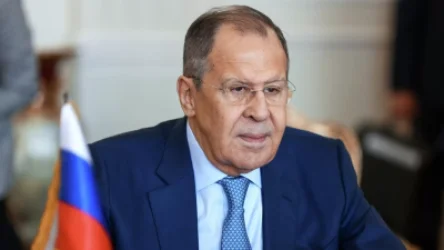
«If our Armenian friends are still interested in this, then the mission can be deployed in just 1-2 days» - Lavrov
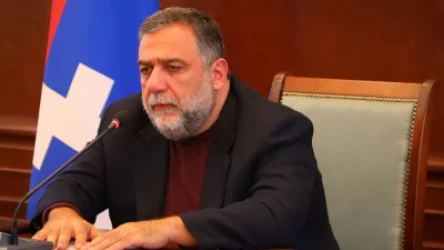
Azerbaijan Must Understand That Peace Cannot Be Achieved at the Cost of Armenian Lives: Ruben Vardanyan
Ավելին Politics բաժնից
Ալեն Սիմոնյանը հայտարարել է՝ որ կուսակցությունները ընդհանրապես մանդատ չունեն
Ռոբիկը եթե ուզում է, կարող է մանդատը վերցնել ու գալ ԱԺ․ Վահագն Ալեքսանյան
ԿԸՀ–ն հրապարակեց ընտրությունների վերջնական արդյունքները