Turkey's Election Results Will Determine Global Geopolitical and Economic Calculations: Bloomberg
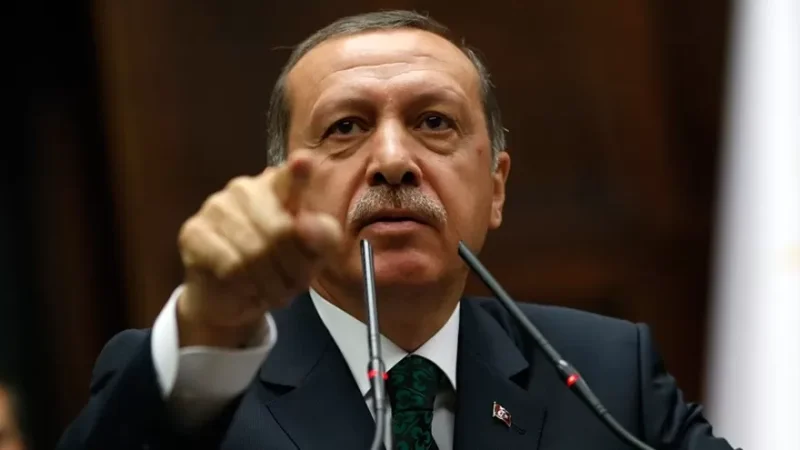
This year’s elections hold significant international ramifications, and among the numerous universal elections slated, Nigeria's coming in February will be the largest, while Pakistan's, expected by October, will likely be the most contentious. However, the most crucial elections will undoubtedly take place on June 18 in Turkey, where President Recep Tayyip Erdoğan will attempt to extend his power into a third decade, reports Bloomberg.
According to the agency, the results of the elections in Turkey will shape geopolitical and economic calculations in Washington, Moscow, and capitals across Europe, the Middle East, Central Asia, and Africa. “What happens in Turkey does not remain in Turkey. Turkey may be a middle power, but great powers are interested in its elections,” said Ziya Meral, a senior researcher at the Royal United Services Institute for Defence and Security Studies.
The influence of Ankara on global issues is exemplified by Erdoğan’s achievements during his prolonged tenure, but both his electoral prospects within Turkey and abroad remain mixed, the source writes. Even those wishing for his departure on June 19 cannot clearly articulate who or what will come next.
Western leaders would be pleased to see Erdoğan depart; he has disrupted NATO security by acquiring anti-missile defense systems from Russia, frustrated the alliance by blocking Sweden and Finland's membership, threatened to inundate Europe with refugees, and increasingly adopted belligerent rhetoric towards Greece in recent months.
Ankara’s relations with Washington have deteriorated to the extent that Turkish officials regularly accuse the U.S. of supporting a coup against Erdoğan and of complicity with terrorist groups. For the U.S. and Europe, it may be preferable to operate without Erdoğan's disruptive influence in global affairs, especially as their confrontation with Russian President Vladimir Putin escalates.
Erdoğan’s utility as a negotiator remains limited; although he helped broker a deal last summer to ensure continuous flows of grain and vegetable oil from Ukraine, he has not exerted a restraining influence on his “dear friend” Vladimir, the agency notes. There is also no one to check Erdoğan; while many in the foreign policy circles of Washington and European capitals hope he may swing back from the brink (referring to Russia), Erdoğan’s worldview is far more radical than most in the West assume, notes political analyst Selim Koru.
Koru suggests that Erdoğan's aspirations in Turkey's immediate neighborhood, where Ankara is becoming increasingly influential, are focused not on complementing but on replacing and countering American and European influence. If Erdoğan were to lose, says Sinan Ulgen, director of Istanbul's EDAM think tank, his successor would transform Turkey into a different foreign policy actor, more suitable as a Western ally. But even if this occurs, no one should expect a rapid 180-degree turnaround.
Erdoğan has taken 20 years to sow his radical worldview in Turkish institutions—government, military, academia, religious organizations, and media, continues Bloomberg.
Turkey approaches the upcoming elections burdened with unresolved issues, as record unemployment rises and inflation exceeds all conceivable counter-records, naturally stirring confusion and a certain degree of agitation among the population. Erdoğan's main challenge is the Republican People's Party, Turkey's oldest political party founded by Mustafa Kemal Atatürk, which today, ironically, serves as the primary opposition.
Bloomberg notes that in previous elections, Erdoğan was aided by old narratives of Kurdish terrorism and Western treachery, the fight against the dangers of homosexuality to family and Islamic values, threats directed at Greece, and surges of nationalist fervor. These tactics have previously helped Erdoğan win elections. They may assist him again this time; as long as the Turks have not cast their votes, Western leaders will remain on edge, concludes the source.
Նմանատիպ հոդվածներ




Ավելին Society բաժնից
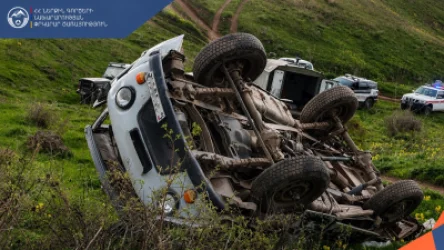
Ողբերգական ավտովթար․ մեքենան շրջվել է. կա զոհ
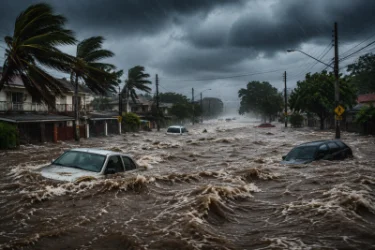
Հեղեղատարափ անձրևներ ու աղետալի ջրհեղեղներ․ ինչ է սպասվում աշխարհի տարբեր տարածաշրջաններին
Երևանի քաղաքապետարանը զգուշացնող հայտարարություն է տարածել