‘We are with you, but that does not mean we will save you’: Czech Ambassador on the Lachin Corridor
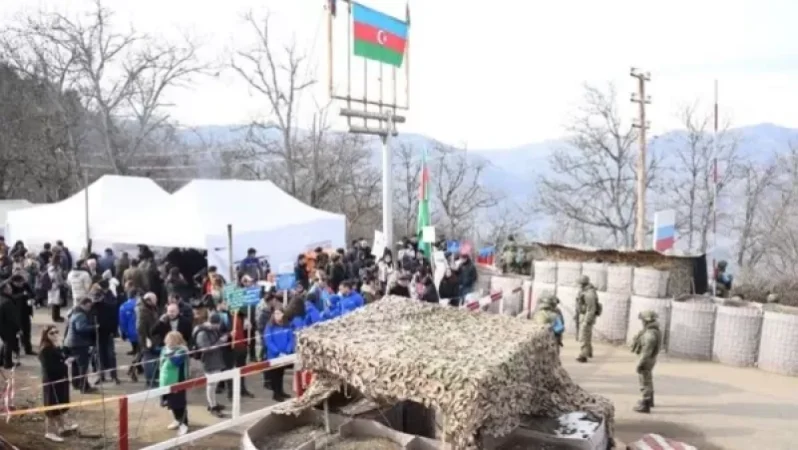
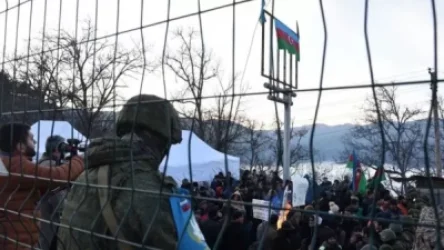
Official Baku's explanation regarding environmental activists 'looks a bit foolish', said Petr Pirunczik, the newly appointed Czech Ambassador to Armenia, in an interview with Radio Liberty. 'Of course, I am aware of the Lachin corridor; it looks a bit foolish. [I mean] the official explanation that they are environmental activists and have coincidentally appeared at the beginning of winter when it is snowing and cold... if I were not a diplomat, I would say let’s laugh at this explanation. We certainly cannot laugh at the situation created, as it really leaves about 120,000 people, as far as I know, in the cold. They have no means to meet basic medical needs and require humanitarian aid.
What is the Czech Republic doing, or what can the European Union do? The Czech Republic supports the EU's joint endeavours. You also know that the EU has been calling for years for Armenians and Azerbaijanis to conduct direct negotiations. We know, and have always stressed, that the only viable solution or long-term sustainable peace agreement must be reached only as a result of direct negotiations between you—Armenians—and Azerbaijanis. So, what we can do right now is to ensure that the humanitarian situation is tolerable. As you know, the EU has provided humanitarian assistance at many levels and in many situations. And the Czech Republic will also contribute its share.
At the same time, we say that you—Armenians—and you—Azerbaijanis—must deal directly with resolving the issue. But let me add that according to the trilateral statement signed in November 2020, Russia is responsible for transportation in that area. So, the main party and the main subject from which to ask what is happening and what will happen next, what you will do—is Russia, as they have agreed to ensure that the corridor is open in that area and to maintain peace.
Every country tries to use geopolitical complexities for its advantage. Russia has always attempted to intervene and use the situation for its benefit. And we cannot actually blame them. Every country tries to exploit geopolitical complexities for its national interests. This is called 'national interest.' Russia is clearly advancing its national interests in a situation that sometimes resembles a humanitarian crisis. That is something we can question; it’s something we can argue about regarding how moral it is. I can agree with you that they have intervened in the situation trying to use it for their interests. From the Russian side, we hear precisely the opposite about the EU, that the West is trying to use the situation for its advantage. Everyone is somehow trying to advance national interests, of course. Some are peacekeepers or at least claim to be peacekeepers, while some have not signed under the trilateral statement. Thus, there is a difference.
When speaking about Russia, I would also say the following: Let’s be clear, they have direct interests in the South Caucasus region and have had such interests for centuries, and it would be naïve to think that those interests have simply disappeared. Anyway, you asked whether Russia is using the situation for its interests; I would say that all the involved players are trying to use the situation for their interests.
What is Baku striving for? I believe overall, Azerbaijan is trying to clarify the situation and figure out how far they can go. They are trying to ascertain how much they can push forward their own interests. In the case of hostages in Nagorno-Karabakh, they are applying methods that are quite questionable if we speak diplomatically. But the principle is more or less the same.
The EU does not want to stop the work of Russian peacekeepers. Russia accuses the West of wanting to stop their peacekeepers' work, peacekeepers who have brought peace and stability. We do not want to stop the work of Russian peacekeepers. On the contrary, we actually want them to succeed. But what do we see? We see that the peacekeeping mission fails in some respects. We cannot remain so without doing anything and watching this complicated situation. Also, we are trying to at least ensure, as I said, an effective, stable, solid environment for direct negotiations.
Whoever contributes to the progress should be awarded the diplomatic medal. It is not that we are against Russia, and whatever they do will not satisfy us, and we will always criticize them. No, on the contrary. We understand that the situation is so complex that only all involved parties together can bring about results, a resolution. Russia is certainly involved. So, I have great hopes that Russia will use its weight to contribute to a stable resolution of this difficult problem.
Now regarding your question about what we can do or if there is any program. You know that the EU sent a mission, which has not directly been in Nagorno-Karabakh, it was in Armenia. But the purpose of that mission was precisely to contribute to building trust between the two sides. We wanted to see the situation with our own eyes, not to draw conclusions and make judgments in Prague or in other European capitals from our comfortable offices. That was the first issue. The second issue, more generally, was to contribute by being on the ground, talking to both sides, engaging both or all parties to build trust among those involved. You also know that this mission was initially set for two months.
It is possible that the EU mission will be extended, but we need to work with Baku and the Russians. I would diplomatically say that at this moment its future is uncertain. We consider it a useful tool, and will try to do whatever is possible to convince or demonstrate to all the involved parties that it exists and can serve as a useful tool, but let’s also not overestimate the importance of the mission; its scope was quite small. I am pleased to hear that Armenians were glad to see the mission. And now I assume our task, our mutual task, the EU’s, the Czech Republic’s, but also Armenia’s, is to try to show all involved parties that such a mission could be useful. It may be a small thing, a drop in a larger sea, but such a drop can and must be a useful contribution to a larger solution.
So let’s work with the Azerbaijanis, let’s also work with the Russians. You—Armenians—need to talk with the Russians to try to show them and prove that you were pleased with the EU's involvement. Let’s work with those who were not very positive about the EU mission and try to prove it can be helpful and effective.
‘We are with you, but that does not mean we will save you.’ We remain and will be by your side to the extent that you are ready to work with us towards a common future where we can together help overcome the situation in which your country finds itself. That does not mean we will save you. That is what you must understand, and I must emphasize. We are not going to save you, but we are willing to do everything possible to help you overcome this mixed situation you are in.
It should be added that Petr Pirunczik has not yet taken on the duties of ambassador; he is set to arrive in Armenia in early January and will present his credentials to the president.
Նմանատիպ հոդվածներ
Ավելին Society բաժնից
Նիկոլ Փաշինյանը կոչով դիմել է ՀՀ քաղաքացիներին
Հունիսի 1-ին ՆԳՆ-ն երեխաներին հրավիրում է մեծ տոնախմբության․ անակնկալներ, շոուներ և նվերներ
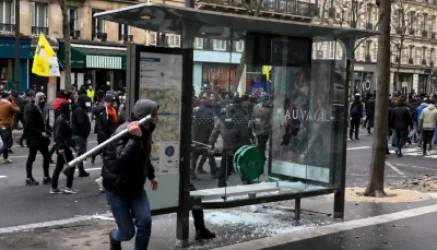
ՏԵՍԱՆՅՈՒԹ․ Հրկիզված մեքենաներ, թալանված խանութներ․ Փարիզում զանգվածային անկարգություններ են