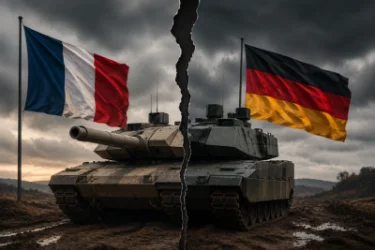
What is the price of Russian oil? The EU's embargo and price cap on Russian oil have come into effect
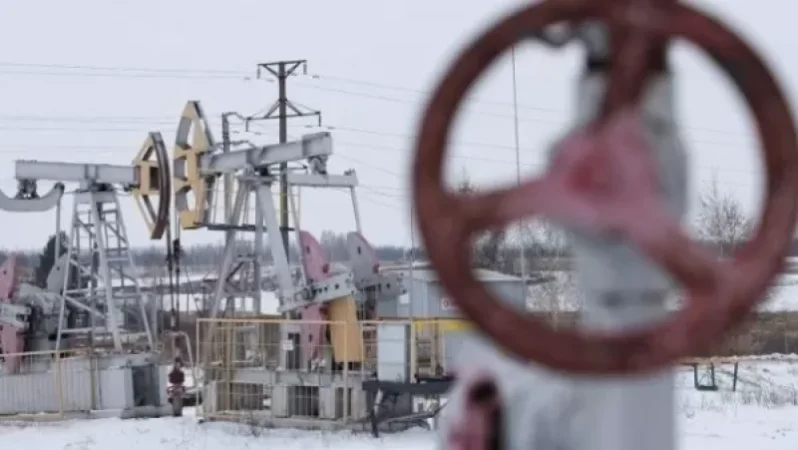
On December 5, the embargo on offshore oil supplies from Russia to EU countries came into effect, along with the price cap on Russian oil, which has been approved by the G7 countries, the EU, and Australia. This was reported by RTVI.
The European Union agreed on a price limit of $60 per barrel on December 2. The agreement on this level was subsequently reported in the United States, as well as in G7 countries and Australia. According to Politico, Polish officials have proposed setting the price at $30 per barrel. A similar proposal was made by Andrey Yermak, head of the office of the President of Ukraine.
Under the new rules, Russia can only sell oil at prices not exceeding the established price cap; otherwise, insurance, shipping, and credit organizations will be prohibited from servicing those transactions. If this rule is violated, individuals and companies will face sanctions.
Prior to the outbreak of military operations in Ukraine, EU countries accounted for about 85% of maritime supplies of Russian oil. Currently, exports are being redirected to other markets, the largest of which are China and India.
Russian officials have repeatedly warned that Moscow will halt oil supplies to countries that decide to adhere to the price cap. Deputy Prime Minister Alexander Novak has noted that in this case, Russia is ready to redirect its supplies to “market-oriented partners” or reduce production. Russian President Vladimir Putin called the EU's idea of limiting oil and gas prices “another stupidity.”
According to Bloomberg, the Kremlin is preparing a presidential decree that will prohibit Russian traders from selling oil to countries and companies that have joined the price restriction mechanism for Russian energy resources.
Նմանատիպ հոդվածներ
Ավելին Politics բաժնից
Թրամփը Իրանի նկատմամբ «եռակի հաղթանակ» է տարել. ԱՄՆ նախարար
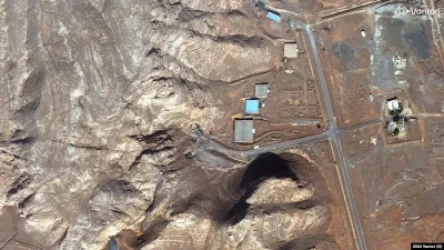
Իրանը ձեռնարկել է աննախադեպ անվտանգության քայլեր
ՏԵՍԱՆՅՈՒԹ. Ղարաբաղն ու Ուկրաինան փոխել են պատերազմի կանոնները․ Հունաստանի ՊՆ