Kommersant Reflects on Closure of Highway Connecting Artsakh to Armenia
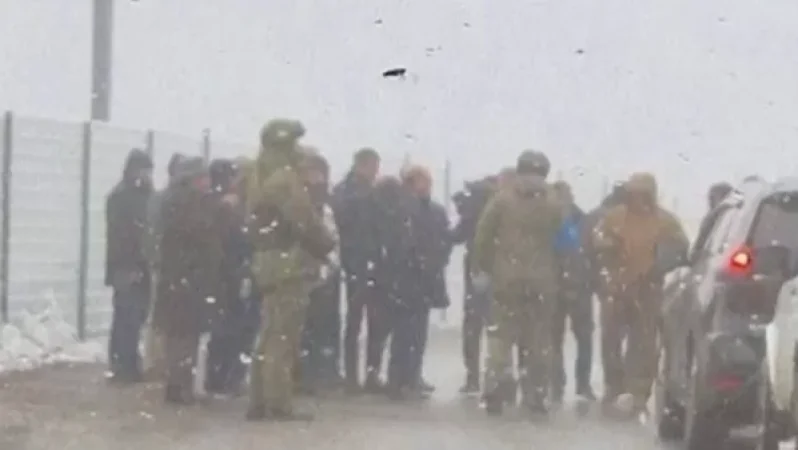
The call to close the Lachin corridor, made previously by the most radical Azerbaijani politicians, was de facto carried out on Saturday, December 3. The movement through the corridor was halted for just three hours, but this closure of the road, through which approximately 100,000 Armenians in Artsakh receive their essential supplies from Armenia, allowed Baku to demonstrate how vulnerable the Armenian side's positions are, writes Kommersant.
Everything began when a group of Azerbaijanis approached the Russian peacekeepers' checkpoint located on the Yerevan-Stepanakert highway toward Shushi. Some were in uniform, while others wore ordinary civilian clothes. As explained later by Baku, they were representatives of various state bodies. They had come to express Azerbaijan’s concerns that Armenians were extracting gold in Artsakh without Azerbaijan's sanction and damaging the environment.
The article mentions that the Azerbaijanis expressed serious concerns and dissatisfaction regarding the illegal exploitation of natural resources in the context of illegal economic activities taking place in Azerbaijan's territories. It notes that a Russian colonel approached them in a conciliatory tone while waiting for higher authorities to arrive.
“We are aware of the issue that you just raised, and we are ready to assist in resolving that problem. But once again, I say, let’s ensure everyone’s safety now,” he stated.
The mere fact that several journalists arrived at the checkpoint before the incident indicates that the situation was pre-planned for publicity. This was quite successful, as Armenian Telegram channels were immediately flooded with images and videos of kilometer-long traffic jams, clearly explaining that Azerbaijani authorities had closed the road.
Meanwhile, Major General Andrey Volkov, commander of the military unit, urgently arrived on the highway to negotiate with the Azerbaijani side. The conversation took place publicly, and Azerbaijani journalists managed to capture parts of the dialogue.
“I am ready to discuss these issues not here but at the negotiation table. There is a traffic jam all the way to the city; let the people through,” the Russian commander said. At the same time, the format of negotiations around the highway, according to Mr. Volkov, “does not contribute” to a positive outcome. As a result, the road was opened, and Azerbaijani officials accompanied by Russian soldiers went to the peacekeepers' headquarters in the Ivanyan community located in the Armenian-populated area.
“As a result of discussions that took place at the peacekeepers’ headquarters, a ‘roadmap’ for work was prepared,” Baku stated. In other words, the Ministry of Ecology and Natural Resources could become the first state agency of Azerbaijan to begin operations in territories not controlled by Baku, even if only for short visits.
In Baku, sources for Kommersant did not deny that the incident in the Lachin corridor primarily aims to pressure Yerevan into surrendering Artsakh to Azerbaijani control and to demonstrate to Russian peacekeepers that they should not intervene in this matter. “This is a desire to resolve the accumulated issues exclusively by peaceful, non-military means with the help of environmentalists,” Azerbaijani political analyst Ilgar Velizade told Kommersant.
The objectives of the “ecologists' actions” are also understood in Artsakh. According to Gegham Stepanyan, the human rights defender of the Republic of Artsakh, such incidents “affect the desire and aspiration of people to stay and live in Artsakh.” This is precisely what Azerbaijan seeks to achieve. The environmental issue is merely a pretext. Perhaps this is the first step towards Azerbaijan's long-term goal of establishing control over the Lachin corridor,” Gegham Stepanyan firmly believes.
Նմանատիպ հոդվածներ
Armenia Never Announced Leaving CSTO, Claims CSTO is Leaving the Region: Parliament Speaker
Baku Intends to Close the Lachin Corridor, Says Alen Simonian

Russia Interested in Signing Peace Treaty Between Yerevan and Baku, Lavrov Says

Administrative Liability for Violating Gift Acceptance Restrictions
Ավելին Politics բաժնից

Թրամփը Իրանի նկատմամբ «եռակի հաղթանակ» է տարել. ԱՄՆ նախարար
Իրանը ձեռնարկել է աննախադեպ անվտանգության քայլեր
ՏԵՍԱՆՅՈՒԹ. Ղարաբաղն ու Ուկրաինան փոխել են պատերազմի կանոնները․ Հունաստանի ՊՆ