The Armenian-Azerbaijani Issue Must Become a Commitment for the US and EU to Avoid Military Conflict - Worlik
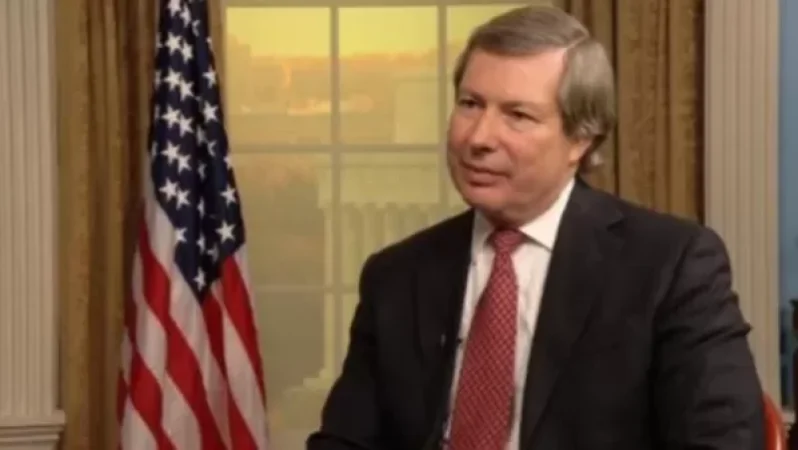
James Worlik, the former American co-chair of the Minsk Group, while discussing the Armenian-Azerbaijani peace process and the recent escalation of rhetoric from Azerbaijan, expressed optimism about the developments of the past few months in a lengthy interview with "Voice of America."
"It is a good sign that the presidents of Azerbaijan and the Prime Minister of Armenia met each other. The meeting in Sochi, in particular, yielded positive results as the sides agreed on non-use of force. There are also opportunities for progress in the future, particularly regarding a potential meeting under the European Union on December 7. I do not expect that all discussions will proceed without difficulties. And, of course, the rhetoric may change from both sides, but that should not hinder the advancement of the process. It is important that the parties talk and that there is a negotiation process," Worlik said.
Speaking about the probability of the meeting scheduled for December 7 in Brussels, the diplomat noted that there are some disagreements that, as he perceives, are related to the participation of French President Emmanuel Macron in the negotiations. According to Worlik, the most important aspect is that the Armenian and Azerbaijani sides engage in dialogue regardless of the format or participants of the negotiations.
Addressing the main obstacle hindering an agreement between the parties, Worlik stated: "The biggest challenge is that not everything can be resolved at once. Many processes must occur simultaneously regarding various issues. It is important that the president and the prime minister encourage that. For example, it is crucial to have a delimitation process between Armenia and Azerbaijan, which could reduce the likelihood of conflict. It is important to have discussions about status. I am fully aware that President Aliyev has indicated that all issues of the conflict are resolved, and that this is a question of Azerbaijan's territorial integrity. However, there is a need for a process to ensure the rights of the people of Nagorno-Karabakh. This is an important discussion around status. There are also other issues, such as communication, water resources, and the return of prisoners. All these are issues that face obstacles, but can be resolved, for which there needs to be a multilateral approach, primarily involving the president and the prime minister," he added.
Commenting on the recent meeting between American co-chair of the Minsk Group Philip Reeker and the President and leadership of Azerbaijan, and in general on the role of the US in this process, Worlik emphasized that Ambassador Reeker is a highly-ranked diplomat. "It is also encouraging that both the Secretary of State and the National Security Advisor are engaged with this issue. It must be a sustained commitment. One meeting with the American side is not enough. It must become a commitment from the US government, and certainly also from the European Union and other entities to advance this process. Otherwise, we will revert to military conflict. What I am witnessing from the US administration currently is very positive, and this involvement should regularly continue not only by Ambassador Reeker, but also by other senior members of the US government," the diplomat stated.
Speaking about Moscow's role in this process, Worlik remarked: "It is hard to imagine that today the US and the EU can effectively work with Moscow. However, despite all the disagreements we have with Russia, we have common interests in establishing peace and security between Armenia and Azerbaijan. I believe that the Russian side does not want to have ongoing conflict in its neighborhood and would prefer to see an effective process here. Of course, the Russian side should not control this process but should be a participant along with the other countries in the region. Russia has a unique history with both Armenia and Azerbaijan that we must understand. Therefore, I believe Russia can play an effective role, but as far as I understand, the format of co-chairing is no longer a viable means to mediate the conflict," he added.
During the interview, Worlik also discussed the future of the OSCE Minsk Group's mandate. The ambassador is convinced that the mandate of the co-chairs continues to be useful. Worlik believes that the co-chairing format can work effectively, but the difficulty is that it is unlikely that the US and France will work with Moscow today. "Moreover, President Aliyev has categorically rejected the mandate of co-chairmanship. He has accepted Reeker as a special envoy but rejects the Minsk Group process, which requires consensus from all parties for success," he said.
Regarding the future of Armenian-Turkish dialogue, Worlik emphasized that Turkey can play a very useful role in achieving a long-term resolution to the conflict between Armenia and Azerbaijan. "Turkey has significant influence in Baku, and I believe they can use it to advance the peace process, and it is desirable that they do so. As for the relations between Armenia and Turkey, they cannot be resolved in one day. It needs to be done through small steps aimed at building trust, and both sides must be willing to move step by step. I do not suggest reviving the protocols from 20 years ago. That is impossible. But I believe that if the parties want, they can take some steps, for instance, in terms of trade between the countries, and in protecting cultural heritage. It is very important that Armenian churches currently in Turkey are preserved. I believe that agreements can be reached in such directions. Both Armenia and Turkey should work in that direction. Improving Turkish-Armenian relations is in the interests of both countries. If it becomes possible to achieve even a limited opening of borders between them, it would allow for trade and ensure the movement of people. This could initiate a process that is genuinely beneficial for Armenia. I know it is difficult for the Armenian side to take such a step considering all that has happened and the certain rhetoric that exists, but it is important that this step is taken and a reconciliation process begins for the benefit of all," he concluded.
Նմանատիպ հոդվածներ
We Must Work for the Aliyev-Pashinyan Meeting to Take Place: Aghajanyan
Statement from the 'Armenia' Alliance on Resigning from Parliamentary Mandates
Lavrov and Bayramov to Discuss Armenian-Azerbaijani Issue, Says Zakharova
Brussels Commission Meets Without a Map, Lavrov Comments on Armenian-Azerbaijani Issues
Ավելին Politics բաժնից
Եվրոպական խոշոր ռազմական նախագծի ապագան հարցականի տակ է
Իրանի լարվածության ֆոնին Սթարմերն ու Թրամփը խոսել են խաղաղության համաձայնագրից
Չարլզ III-ի պատվին Լոնդոնում անցկացվել է հանդիսավոր շքերթ