Acquisition of Iranian Drones by Armenia Could Be a Potential Deterrent Factor: Forbes
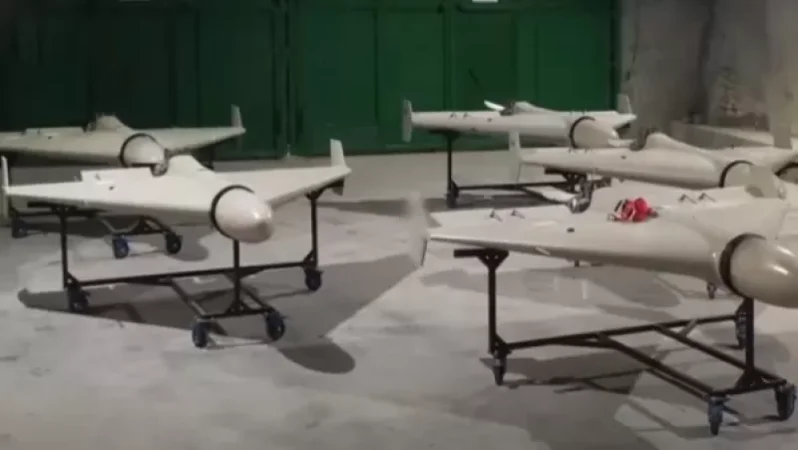
Forbes reports that Iranian drones are seeking to gain traction with a record number of countries.
“Iran is creating a strong market for its unmanned aerial vehicles,” says Nicholas Heras, director of strategy and innovation at the New Lines Institute. “The growing global interest in Iranian drones is a response to how Turkey has developed its combat drone international market. The Turks have focused on a mid-class drone designed for dual-use, robust, and effective against both state and non-state actors. Iran has decided it wants to monopolize the market for more precise and long-range artillery shells that can have a devastating impact on the battlefield, especially against ground forces,” he stated, according to news.am.
Such sophisticated munitions could allow smaller states to provide a crude deterrent factor against their larger competitors. “Both the Armenians and the Serbs need the ability to quickly inflict significant losses on stronger opponents,” Heras said.
Iran has several such drones that may attract interest from Belgrade and Yerevan. “Regarding what drones Iran may sell to Armenia and Serbia, there are several options, including ‘Shahed’ and ‘Ababil’ models, as both have been used in the Middle East by Iranian proxies, and now the ‘Shahed’ has demonstrated its limited capabilities, although its main potential is in Ukraine,” stated Samuel Bendett, an analyst at the Center for Naval Analyses.
“Drones like Mohajer are not entirely out of the question. Additionally, the possible purchases in Armenia carry a broader political and strategic subtext. Armenia seeks to counter the strengthening of the Turkish-Azerbaijani military alliance and the perception that Russia may not be as committed to Armenia’s defense as it once was,” Bendett added.
“Since Turkish and Israeli drone technology contributed to Azerbaijan's victory in 2020, Armenia finds itself in a precarious situation, despite having its own drone industry that has not received adequate investment,” he remarked. “Thus, Armenia seeks to avoid this error by investing in drone capabilities. Tehran also has its interests in helping Yerevan strengthen itself militarily. Iran is likewise concerned about the Turkish-Azerbaijani alliance.
Iran has conducted exercises showing that it can use force if the Zangezur corridor blocks its entry into Armenia. Therefore, from a geopolitical perspective, it makes a lot of sense that Armenia is becoming a customer of Iranian drones. Yerevan also needs drones. Iranian drones, such as the ‘Shahed-136/1’, are relatively inexpensive and could pose potential issues for Azerbaijan and possibly even Turkey itself.
Any significant delivery of Iranian drones to Armenia or the establishment of a drone factory in Armenia similar to the one in Tajikistan could further fuel the arms race in an increasingly unstable South Caucasus region. In terms of the overall impact of such sales on regional dynamics, all countries in the Caucasus are already arming themselves with drone technology,” Bendett concluded.
Նմանատիպ հոդվածներ
What is Happening in Artsakh: David Babayan on His and Other Ministers' Dismissals

Azerbaijan's Defense Ministry Asks Russian Peacekeepers Not to Use 'Nagorno-Karabakh' Designation: Marukyan
Azerbaijan Ready to Provide Artsakh Armenians Rights Equivalent to Other Azerbaijani Citizens, Lavrov Says

Issuance of Biometric Passports Temporarily Halted
Ավելին Politics բաժնից

ԲՀԿ-ն վիճարկում է ԿԸՀ-ի որոշումը․ առաջին նիստն ավարտվել է

ԱՄՆ-Իրան համաձայնագիրը կստորագրվի առցանց. ինչ է հայտնի

ՏԵՍԱՆՅՈՒԹ. Մոսկվան ջրի տակ է մնացել անձրևների հետևանքով