“Considers Us as Indigenous People”: Babayan on Aliyev's Intentions
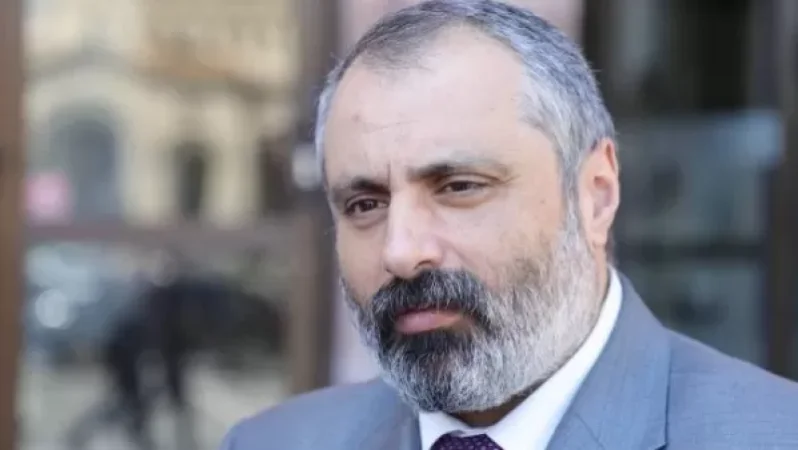
“Hraparak” newspaper has conducted an interview with David Babayan, the Minister of Foreign Affairs of Artsakh.
- Mr. Babayan, Azerbaijan's President Aliyev stated that he is ready to talk to Armenians living in Karabakh, but not with the 'emissary' Ruben Vardanyan sent from Russia. Who should represent Artsakh in negotiations, and how feasible is this format suggested by Armenian Prime Minister Nikol Pashinyan?
- Official Stepanakert has never shied away from resuming the negotiation process. Moreover, since 1996-97, when negotiations began to be conducted in a distorted format with limited or partial participation of the Republic of Artsakh, we have always emphasized that it is necessary to restore the negotiation format. Meanwhile, today the Azerbaijani side presents that format quite skillfully; the issue is not who will negotiate, as each side will present its negotiator. The question is what format the negotiations should take place in and what they should be about. When Azerbaijan speaks about negotiations, declaring that it is ready, it is not telling the truth; they are not ready to negotiate. Azerbaijan views these negotiations as an internal Azerbaijani dialogue.
- Do you mean Aliyev's statement that those living in Artsakh are his 'citizens'?
- Yes. This means they consider us as indigenous people, who, in colloquial terms, made a mistake in '88, broke away from mother Azerbaijan, and are now begging for forgiveness to be included back into Azerbaijan. This is Aliyev's characterization, and we say that such negotiations cannot take place. Besides, there is an internationally recognized format for negotiations, where the subjectivity of Artsakh is identified both as a negotiating party and as a party to the conflict. These are the decisions adopted at the Budapest summit in 1994 and the related decisions passed in '94-95. Now, if we eat the bait and say, 'yes, we are ready in their format,' we are neutralizing the internationally established fact of Artsakh's subjectivity. Thus, yes, we are ready for the negotiation process, but in an internationally recognized format.
- So, you will only negotiate within the framework of the Minsk Group, with the presence of mediators, but that group seems to have become ineffective after the war.
- Yes, we will negotiate with the involvement of those countries: France, Russia, Armenia—mandatory, CSTO, and so on. Otherwise, they want to mislead us and lead us down an entirely different path.
- Meanwhile, Nikol Pashinyan speaks enthusiastically about the prospect of direct negotiations between Baku and Stepanakert, asserting that his government is restoring the subjectivity of Artsakh, returning to the negotiating arena, which the previous ones had deprived it of.
- I must again emphasize that the issue is not about the negotiator and the negotiations but about the format. If we abandon the internationally recognized format that acknowledges the subjectivity of Artsakh, what should we expect? It is clear, is it not, that this is a thorn in Azerbaijan's throat, and they want to avoid it at all costs.
- So, direct negotiations will not happen, and your indicated alternative will not be agreed to by Azerbaijan. What will happen next?
- If they do not agree, should we agree? Should we forget about subjectivity and go speak directly with Baku as indigenous people? Is that what you want? That is why it is crucial to establish principles; without principles, there is no subjectivity.
Նմանատիպ հոդվածներ
Ավելին Politics բաժնից
Կոնգոյում Էբոլայի բռնկումը նոր համավարակի «նախափորձն» է
Փոստանջյանը կասկածի տակ է դրել ընտրությունների արդյունքների լեգիտիմությունը
Վարչապետը նոր կոչով է հանդես եկել