Azerbaijan May Carry Out Military Provocation Against Armenia, National Security Council Secretary
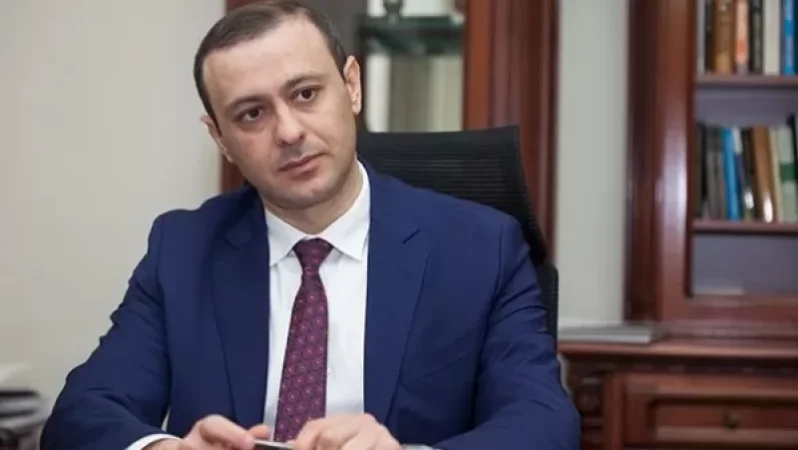
Messages from the Azerbaijani Ministry of Defense regarding violations of the ceasefire regime aim to escalate the situation, paving the way for military operations, said National Security Council Secretary Armen Grigoryan in an interview with Civilnet.
“The danger remains that Azerbaijan may carry out a military provocation against Armenia. We continue to work on increasing our capabilities, as well as cooperating with the international community to prevent such escalation,” he stated, adding that on September 13, for example, the response of the Armenian army and international involvement helped stop the military operations, although it did not prevent them entirely.
“This means that international mechanisms alone are not effective; it is necessary for us to increase our capabilities and reform our army to exclude further provocations from Azerbaijan against Armenia and Artsakh,” emphasized Armen Grigoryan.
“The more the situation escalates by Azerbaijan, the more crucial discussions about the rights and security of the people of Artsakh become, along with the establishment of international mechanisms,” he noted.
Regarding the signing of a peace treaty by the end of the year, the National Security Council Secretary said, “If we sign the peace treaty in the format we propose, it also creates an opportunity to prevent possible provocations. The mechanisms we have proposed in the text of the peace treaty also provide guarantees, such as the involvement of international guarantors. It is still unclear who these guarantors will be; that is a topic of negotiation. Armenia realizes that these guarantees have sometimes not worked throughout history, but there may be cases where they do work.”
He also addressed the variations of the peace treaty, noting that Armenia is saying the same thing across all platforms and advancing the same agenda. “There is no difference regarding which platform the process is taking place; in this regard, since Azerbaijan had presented five points at the beginning of the peace treaty, later these points were presented as an open text. We have worked on that text; we have a response to it, which has taken the form of a more comprehensive agreement. Based on that, a meeting took place in Washington on November 7 between the foreign ministers. I believe that this text is comprehensive and can solve the existing issues between Armenia and Azerbaijan. The frameworks, questions, and directions of the peace process are becoming increasingly clear.”
When asked whether Russian proposals are still valid, Armen Grigoryan responded, “Armenia had a specific position that these proposals be mentioned in the Sochi statement, but that was not included in the final text. We will continue to work. Overall, these proposals are also consistent with the ongoing processes. Globally, these texts are interconnected.”
He highlighted that there are four major themes between Armenia and Azerbaijan, which have sub-themes: the first is humanitarian issues, quick release of all captives; the second is unblocking, as well as the work of commission on delimitation and border security issues, and the resolution of the Nagorno-Karabakh problem. Naturally, the Nagorno-Karabakh issue is discussed in negotiations; we are looking for possible solutions on how to move forward. There is the option of leaving the matter pending, or creating an international mechanism for discussions on rights and security between Nagorno-Karabakh and Azerbaijan. Without resolving or at least clarifying how the Nagorno-Karabakh issue will be settled, it is impossible to sign a peace treaty. It is not possible to bypass the Nagorno-Karabakh issue; it is discussed in all meetings and remains on the agenda.
The National Security Council Secretary also added that discussions are underway on how to separate the Nagorno-Karabakh issue from the peace treaty process: “Because for a long time there was no solution on how to incorporate the Nagorno-Karabakh issue as part of the peace treaty. Now we are trying to separate them, but guarantees are necessary for that. Without guarantees, it will not be possible to exclude it from the peace treaty.”
Նմանատիպ հոդվածներ
Ավելին Politics բաժնից
«Իսլամաբադի հուշագրի» ստորագրումը վաղը չի ակնկալվում. Իրանի ԱԳՆ
Շվեյցարիան կարող է ուժի մեջ թողնել Ռուսաստանի դեմ պատժամիջոցները
Առաջիկա 24 ժամվա ընթացքում, ձեռք կբերվի խաղաղության համաձայնություն Իրանի և ԱՄՆ-ի միջև. Շարիֆ