Armenia and Azerbaijan Make Peace Moves in the West, According to Kommersant

Armenia and Azerbaijan are increasingly working on the preparation of a peace treaty. On October 31, in Sochi, Russian President Vladimir Putin mediated a meeting between the leaders of both countries, Nikol Pashinyan and Ilham Aliyev, while Washington became the venue for negotiations on November 7 (this time at the level of foreign ministers). The next summit is expected to take place in Brussels, writes the Kommersant newspaper, which we present below under the title "Armenia and Azerbaijan Make Peace Moves in the West."
Meeting After Meeting
Kommersant notes that the meeting between the foreign ministers of Armenia and Azerbaijan, Ararat Mirzoyan and Jeyhun Bayramov, in Washington took place on a symbolic date. It is presumed that it was on November 7, 2020, that Azerbaijani forces firmly established themselves in Shusha, achieving a primary goal of that war.
"The foreign ministers exchanged thoughts on the elements of a potential peace treaty and announced that there are a number of issues that still need to be resolved," the diplomatic departments of Armenia and Azerbaijan stated after the Washington meeting. Both sides reaffirmed the commitments made by the leaders of Armenia and Azerbaijan at meetings held in Prague on October 6 and in Sochi on October 31.
Reports suggest that the ministers decided to "accelerate their negotiations and hold another meeting in the coming weeks." Meanwhile, by the end of November, Pashinyan and Aliyev are expected to meet again in Brussels. Aliyev has repeatedly stated that if there is political will, the peace treaty could be signed by the end of this year. The same sentiment was echoed on November 8 during his speech at a military parade in Shusha.
It should be recalled that the issue of signing a peace treaty was last discussed on October 31 in Sochi among Pashinyan, Aliyev, and President Putin. "The meeting was beneficial, and it creates conditions for further steps to resolve the situation," Putin stated after the negotiations.
Previously, Aliyev had proposed five principles for the normalization of relations with Yerevan: mutual recognition of the sovereignty of both countries, confirmation of the absence of territorial claims, renunciation of security threats, delineation of borders, and the unblocking of transport connections. Meanwhile, Western proposals include the unconditional recognition of Karabakh as part of Azerbaijan, without any special status. The Russian initiative suggests that the question of status will be postponed for a later time.
Iranian Factor
The activation of Western mediation efforts coincided with an increase in criticism towards Moscow and, first and foremost, Russian peacekeepers in Azerbaijani state and pro-government media. For instance, one Azerbaijani outlet, citing an informed source, states that peacekeepers have allegedly been involved in the transportation of weapons through the Lachin corridor under the guise of humanitarian aid (Moscow has not commented on this report).
It should be noted that during the meeting in Sochi, Aliyev signed a statement highlighting the "main contribution of the Russian peacekeeping contingent in ensuring security in the deployment zone" and "its required efforts for stabilizing the situation in the region."
On the other hand, during a speech in Shusha on the occasion of Victory Day, the Azerbaijani president made a different emphasis: "Karabakh is our land." Russian peacekeepers are temporarily deployed there. The timeframe for their presence is stated in the declaration from November 10, 2020, and if anyone hopes for something, they will face tragedy once again.
Moreover, in Aliyev's speech, not only Armenia appeared as an adversary but also Iran, which has recently clearly sided with Yerevan. "We have established close ties with Muslim countries and have been able to explain to them that Armenia conducts an 'aggressive policy' not only against us but also against the entire Muslim world. Can the leaders of Muslim countries open their embrace to the 'destroyers'? Can they hug and kiss them? This is hypocrisy; it is betrayal. There is no other name for it," Aliyev stated.
According to Kommersant, here the Azerbaijani president clearly referenced Pashinyan's recent visit to Tehran, where the Armenian Prime Minister was indeed received very warmly. "However, the mutual demands of Baku and Tehran run much deeper than Nikol Pashinyan's embrace with Iranian President Ebrahim Raisi. About a week ago, Azerbaijan's state security service announced the arrest of an entire group of extremists allegedly operating under the control of Iranian special services. Meanwhile, Iran's state Sahar TV broadcast a film asserting that Azerbaijan's former president Heydar Aliyev is an ethnic Kurd and once collaborated with the Kurdistan Workers' Party, recognized as a terrorist organization by Ankara and Baku," the source concluded.
Նմանատիպ հոդվածներ
New details emerge in the brutal murder case in Pemzashen: Another person is searched for
Arrest Made in the Case of Murder of Mother and Children in Pemzashen
Wide-scale Attack on Armenian Authorities Using Pegasus Likely Orchestrated from Azerbaijan, Martirosyan
51 More Names of Soldiers Killed in September Battles Released
Ավելին Society բաժնից

Ֆրանսիայում ավիավթարից զոհվել է Ubisoft-ի համահիմնադիր Կլոդ Գիյոմոն
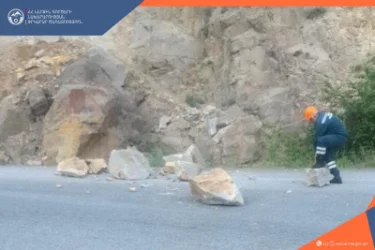
Փրկարարները հեռացրել են երթևեկելի հատվածի քարերը․ ճանապարհը դարձել է երկկողմանի երթևեկելի
ԵՄ-ն ՀՀ-ից հանում է ակցիզային հարկերը