Intellectuals' Appeal to the Armenian Government

Over 100 representatives of the scientific intellectual community have issued an appeal concerning the situation surrounding Armenia and Artsakh.
“Throughout the five-thousand-year history of the Armenian people, every region of historical Armenia has had its own unique place and role. In certain historical periods, especially during the lack of pan-Armenian statehood, various provinces of Armenia, even districts and mountainous communities, have taken on the necessary functions for the sovereign existence of our people in at least one part of the country. Moreover, sometimes such state formations have served as unique pillars, creating serious preconditions for the restoration and strengthening of pan-Armenian statehood.”
“Among the regions that have continuously preserved Armenian statehood in Eastern Armenia, Artsakh and Syunik undoubtedly stand out. It is no coincidence that after the fall of the Arshakunis Kingdom in 428 AD and the liberation uprisings of the 5th century, an independent Armenian kingdom was established in Artsakh in 485 AD under the leadership of Vachagan the Pious, which later laid the foundation for other state formations through the efforts of the Artsruni, Dopyan, and Hasan-Jalalian dynasties. In the late Middle Ages, the principalities of Artsakh and Syunik became centers of the liberation struggle, ensuring the continuity of Armenian statehood.”
“After the restoration of Armenian statehood in 1918, Artsakh was able to maintain its independence due to the heroic struggle against the newly established Azerbaijani expansionist ambitions, officially joining the Republic of Armenia in April 1920. Following the artificial annexation of Artsakh to Azerbaijan in 1921, the Soviet authorities were forced to grant autonomy, allowing the local Armenian population, unlike that of the Nakhichevan Autonomous Republic, to maintain its relative sovereignty with immense difficulties.”
“On December 10, 1991, in strict compliance with the legally binding Soviet legislature of that period, the independence of Nagorno-Karabakh (Artsakh) was confirmed by a nationwide referendum, which has been upheld to this day thanks to the heroic efforts of Armenia and the global Armenian community.”
“In 2020, with the direct participation of Turkey and numerous foreign mercenary terrorists, and with the international community’s tolerance, Azerbaijan unleashed aggression against the Republic of Artsakh, leading to the occupation of a significant part of its territory and placing its statehood in serious jeopardy. In this situation, it is evident that the future existence of the Republic of Armenia is impossible without its powerful eastern gateway, Artsakh, cherishing the false hope that such a concessionary policy will ensure Armenia's salvation.”
“At this crucial moment, the Armenian intellectual community stands unwaveringly beside the two Armenian states — the Republic of Armenia and Artsakh, ready to deploy its entire potential for the unity, security, and independence of the homeland, contributing to its strengthening and further development for a realistic future for the Armenian people.”
“In light of Azerbaijan's expansionist policies and aggressive rhetoric, we demand that the authorities of the Republic of Armenia refrain from making myopic, highly dangerous, and unguaranteed agreements. We call upon political and public organizations and the Armenian diaspora to support the realization of the right to self-determination for the people of Artsakh, exercising maximum legal, political, and social efforts, including on international platforms, to preserve the independence of the Republic of Artsakh.”
Նմանատիպ հոդվածներ
Urban Non-Working Mothers to Receive 31,600 Dram Monthly
Vigen Sargsyan on Buying a House in the USA and Transferring Money from Armenia
Former Defense Minister Buys $2 Million Home in the U.S.; Babajanyan Reveals How Sargsyan Transferred Money Out of Armenia
Azerbaijan Sends Protest Note to Russia Over Statements by Armenian Experts on First Channel
Ավելին Society բաժնից
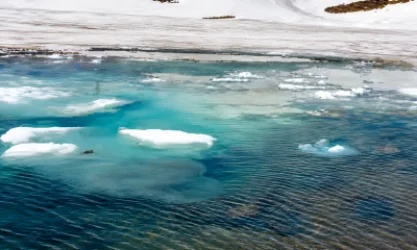
Քարի լիճը դեռ սառցապատ է. բացառիկ
Շոգի նոր ռեկորդ՝ Արարատյան դաշտում և Երևանում
ՏԵՍԱՆՅՈՒԹ. օդի ջերմաստիճանը կսկսի նվազել