Azerbaijan Seeks to Force a Corridor from Armenia: Who Are the Stakeholders?
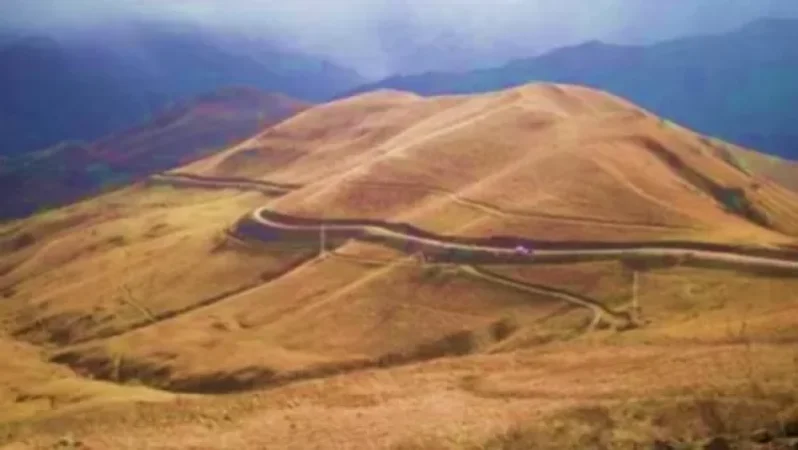
After the 44-day war, according to the joint statement on November 9, all economic and transportation routes in the region should have been unblocked. This was reported by Armtimes.am, a website affiliated with Prime Minister Nikol Pashinyan's family.
However, Azerbaijan has yet to respond to the Armenian government's proposal to open three checkpoints along the Armenia-Azerbaijan border, while instead emphasizing the so-called corridor in official statements. This is despite the fact that there is no mention of a corridor in the November 9 trilateral statement; rather, it talks about unblocking roads.
But why a corridor and not just a road? Why through Armenian territory, and who are the main stakeholders of the corridor?
One of the main stakeholders of a corridor through Armenia is Azerbaijan. The corridor would allow Azerbaijan to:
- Conduct cargo transport under more favorable conditions on the Azerbaijan-Nakhichevan-Turkey route.
- Control the cargo traversing through Iran to Armenia.
- Use it as a sensitive issue to escalate domestic political situations and public sentiments in Armenia.
- Legitimize the return of Azerbaijanis to these territories in the future.
If the route were through Armenia's sovereign territory, the Armenian government would control the cargo transport, and Azerbaijan would have to pay taxes to Armenia for transit. This is unacceptable for Azerbaijan, which has refused to make use of Armenia's airspace for years solely to avoid paying taxes. An economically developed Armenia is not in Azerbaijan's interests.
Azerbaijan could also use routes through Iran, but Iran would never grant a corridor to Azerbaijan. Both Armenia and Azerbaijan are attempting to achieve this, although it is much more unlikely that Azerbaijan would succeed under these circumstances.
Another key stakeholder in the corridor through Armenia is Turkey. The corridor would allow Turkey to:
- Ensure unobstructed communication with the Turkish world.
- Block the prospective gas pipeline from Iran to Europe via Armenian territory.
With a route through Armenia's sovereign territory, both Azerbaijani and Turkish cargo transports would be monitored by Armenia, thereby compelling them to pay taxes to Armenia. Consequently, Armenia would develop its economy further and emphasize its role and significance in the region. This is not desirable for either Azerbaijan or Turkey.
Another stakeholder in the corridor through Armenia is Russia. The corridor would allow Russia to:
- Exert influence over cargo transport from Azerbaijan to Nakhichevan and Turkey.
- Gain control over cargo transiting from Iran to Armenia via land.
- Acquire additional leverage over both Armenia and Azerbaijan, and manage the crucial junction of east-west roads.
Since beginning its special operation against Ukraine and facing Western sanctions, Russia has been seeking markets for both exports and imports. In this context, Turkey, which plays both sides, is an ideal partner as Russia looks to establish land connections with Turkey.
In this light, the roles of Turkey and Azerbaijan in the region have increased, and Azerbaijan could become a platform for Russia to export gas and oil to the West.
Despite Russian official platforms attempting to deny Russia's involvement in opening a corridor through Armenia's sovereign territory, the facts suggest otherwise. For instance, the inaction of Russia and the CSTO regarding the Azerbaijani military forces that have invaded Armenia’s sovereign territory, the failure to supply Armenia with weapons, and the inertia of Russian troops stationed in Armenia in the face of Azerbaijani aggression.
It is noteworthy that both Azerbaijan and Turkey, as well as Russia, prefer that the corridor through Armenia be under Russian control. Russia has several options to obtain a corridor through Armenian territory.
Azerbaijan, as an ally of Russia, weakens Armenia through military escalation so that Armenia feels compelled to join a Union State or become part of Russia.
As a result of escalation, Azerbaijan could succeed in securing a corridor from Armenia's sovereign territory to Nakhichevan, which Russia would later control.
Նմանատիպ հոդվածներ


Ավելին Society բաժնից

Պաշտպանության և ՆԳՆ նախարարները վերանշանակվելու են
Ես Գարեգին Երկրորդի անունով կաթողիկոս չեմ ճանաչում. Նիկոլ Փաշինյան

Փաշինյանն անդրադարձել է Հայկ Կոնջորյանի եղբոր հետ կապված միջադեպին