According to the EU, which historical maps should be used for demarcation? Interview with Toivo Klaar
The European Union's Special Representative for the South Caucasus and the Crisis in Georgia, Toivo Klaar, has given an interview to News.am. The full conversation is as follows:
Is it known where exactly the EU observation mission will be stationed in Armenia? What work will be carried out within the framework of this mission?
These parameters, including organizational and operational specifics, are currently being finalized by the EU technical support mission sent to Armenia on October 14.
It is expected that the future EU observation mission will consist of 40 observers. Their main task will be to monitor the situation on the ground in areas of interest along the Armenian-Azerbaijani border, with the help of road patrols. Based on their observations, periodic reports will be submitted to Brussels.
Azerbaijan's armed forces continue to violate the ceasefire along the border with Armenia, also trying to place the blame on the Armenian side. As emphasized by the Prime Minister of Armenia, Azerbaijan is seeking to create a pretext for new military aggression against Armenia.
Will the EU observation mission have any functions or levers to prevent new escalations, such as those that occurred in mid-September due to Azerbaijan's incursion into Armenian territory? As I mentioned, the EU monitoring mission has a clear mandate to report any developments in security to the Brussels headquarters. Based on discussions with the leadership of both countries, we expect that both sides will cooperate with EU observers and contribute to stabilizing the situation, thereby creating favorable conditions for peace negotiations and the focused work of border commissions.
The expectation is that the presence of EU observers will help prevent any further escalation.
Azerbaijan's president has stated that he rejected the possibility of stationing an EU mission in Azerbaijan. According to the statement published following the meeting in Prague, Azerbaijan agreed to cooperate with the mission to the extent that it is relevant. Does Azerbaijan's rejection of the EU mission's stationing on its territory not limit the potential effectiveness of the mission? The Azerbaijani side has expressed willingness to cooperate with the mission through regular contacts with the relevant actors working on the ground, even without the physical presence of the mission on the Azerbaijani side of the Armenian-Azerbaijani border.
Indeed, as a result of the meeting held in Prague on October 6, Armenia has agreed to support the stationing of the EU civilian mission along the border with Azerbaijan, while Azerbaijan has agreed to cooperate with the mission to the extent that it is relevant.
The stationing of the EU observation mission in Armenia follows an official request made by the Armenian Foreign Minister to EU Vice President and High Representative Josep Borrell on September 22.
In Prague, it was agreed that the work of the border demarcation commissions will be based on the UN Charter and the 1991 Alma-Ata Declaration, and that the next meeting of the border commissions will take place at the end of October in Brussels. At the same time, Armenia's sovereign territories have yet to be de-occupied, and there is still no agreement on the withdrawal of Azerbaijani armed forces from those territories.
What is the outlook for the demarcation process considering that Armenian territories remain occupied?
Weeks ago, during his speech in the European Parliament, High Representative Borrell clearly stated that Azerbaijani forces must be withdrawn from the border on their side. Although this border is not delineated, it does exist. Armenian forces on the Azerbaijani side of the bilateral border must also be withdrawn. This way, reducing tensions will definitively have a positive impact on the work of border demarcation commissions. I believe two things are necessary: respect the existing border and fully engage in the demarcation negotiations. We hope that the next meeting of the border commissions in Brussels will help achieve concrete results.
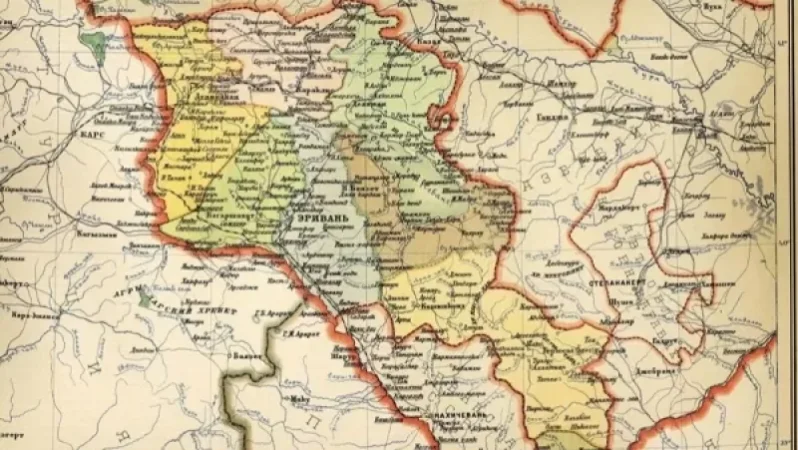
Armenia and Azerbaijan are making declarations about historical maps from different periods that should serve as the basis for the demarcation of the Armenia-Azerbaijan border. What is the EU's position on this issue? Based on which maps should demarcation take place to reach balanced decisions?
One of the main outcomes of the meeting in Prague on October 6 was that Armenia and Azerbaijan reaffirmed their commitment to the UN Charter and the 1991 Alma-Ata Declaration, whereby they mutually recognize each other’s territorial integrity and sovereignty. They confirmed that this will be the basis for the work of the border demarcation commissions.
The European Union believes that the 1991 Alma-Ata Declaration clearly states that it is necessary to respect the borders that existed at the time of the last agreements, referring to the administrative borders of the Armenian Soviet Socialist Republic and the Azerbaijani Soviet Socialist Republic. In the absence of another line, it is crucial that the parties at least accept this as a starting point for negotiations.
There is no mention in the statement from the Prague meeting about the Nagorno-Karabakh conflict or the fundamental rights of its people. What is the EU's position on the future of Nagorno-Karabakh and its population, who are constantly under existential threat from Azerbaijan?
We are all aware of how the conflict began, and we are also aware of the concerns raised by the Armenian side. The future of the Armenian population in Karabakh must be seriously discussed, and we exchange views on this issue periodically with our interlocutors in Azerbaijan and Armenia. It is extremely important that the security situation surrounding Karabakh continues to remain stable, creating an atmosphere of trust so that the local population can envision its peaceful future, and possible practical solutions can be found through active negotiations between the two sides, ultimately leading to a peace process.
The EU, including at the highest level, has clearly indicated that guarantees for the rights and security of the Armenian population in Karabakh will be a key component of the peaceful future of the South Caucasus.
What is the EU's position regarding whether the issue of Nagorno-Karabakh should be part of a possible peace treaty between Armenia and Azerbaijan?
We are familiar with the recent position expressed by the Armenian authorities that issues relating to Karabakh should be discussed separately from the normalization process of Armenia-Azerbaijan relations. We have also heard statements made from Baku regarding this matter. First and foremost, it is essential for Baku to formulate a comprehensive strategy and to engage in constructive and transparent dialogue with the Armenian population of Karabakh. A solution that guarantees the rights and security of the Armenians in Karabakh serves the interests of the local population, Armenia, Azerbaijan, as well as the international community.
Official statements have been made from both Yerevan and Baku about the possibility of signing a peace treaty by the end of the year. Do you consider this outlook realistic?
We are also aware of these statements. The parties have publicly and repeatedly commented on the principles that should be included in the future peace treaty. We are encouraged by the meetings between the Foreign Ministers. Whether or not the goal will be achieved by the end of the year will depend on the parties. It is clear that we support the process and are confident that the agreement will be a decisive component of a comprehensive resolution of the conflict.
Your statement regarding the videos depicting war crimes against Azerbaijanis, which should be investigated and, if real, the perpetrators must be held accountable, faced significant criticism in Armenian social networks. After your statement, another video surfaced depicting the torture of Armenian servicemen by Azerbaijanis. As it is known, they were also killed in captivity. How do you comment on the latest video?
Numerous horrifying videos showing unacceptable violence and human rights violations against prisoners have been released in recent weeks. If verified, these would be considered war crimes. I have stated clearly that past crimes must not justify the repetition of violence in any circumstances. This must end once and for all, and those guilty of crimes must stand before justice. There is also a need to acknowledge and investigate past crimes, regardless of who committed them. Meanwhile, we expect that the authorities will clearly condemn these horrific actions, ensure that thorough investigations are conducted, and initiate criminal proceedings against the perpetrators. The Azerbaijani authorities have taken preliminary steps to investigate recent reports of violence, and we will closely follow these processes. At the same time, I would like to reiterate our call to both parties to exhibit a fair approach to both past and recent violence but also to do everything within their powers to avoid a recurrence of such unspeakable actions. The chapter of enmity and hatred must be turned once and for all in the interests of future generations.
Նմանատիպ հոդվածներ
Ավելին Society բաժնից
Թող այնտեղ էլ լենտաները կապեն, թե այնտեղ ՔՊ-ական են, այստեղ ՔՊ-ական չեն. «Առինջ մոլի» աշխատակից
ՏԵՍԱՆՅՈւԹ. ՊԵԿ-ը բացահայտել է առևտրի ոլորտում իրացման շրջանառության և աշխատավարձի թերհայտարարագրման դեպք
ՏԵՍԱՆՅՈՒԹ.Թող աշխատենք, որ ավելանա տատի թոշակը. «Առինջ մոլի» աշխատակիցների բողոքի ակցիան