Politics
Armenia Faces Two Real Dangers: Suren Surenyan
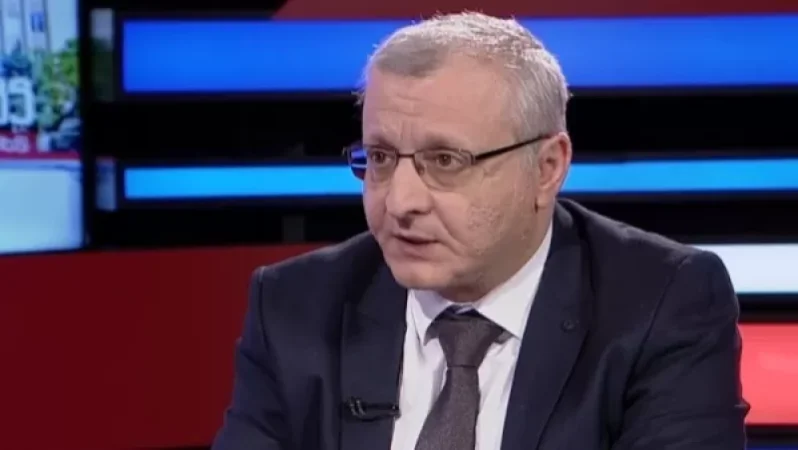
Political expert Suren Surenyan writes: “Armenia is facing two real dangers. I didn’t have much desire to write on this topic, but we somehow need to counter manipulation and exploitation. Remaining silent would mean escaping responsibility.
At this moment, Armenia is facing two real dangers: external aggression and the risk of civil clashes.
- External aggression
The only real opportunity to counter this is the normalization of relations with Azerbaijan and Turkey. It is inappropriate to hope that today’s status quo will be guaranteed for a long time by external players. Russia does not have that capability, and the West will not jeopardize its strategic ally Turkey and energy partner Azerbaijan for our interests. It is a myth to assume that time can work in our favor, especially to hope for a miracle that an agreement signed with Azerbaijan could be favorable to us. Defeated countries are not granted such luxury; they must choose between bad and worse. Moreover, prolonging time can only complicate our situation because the global opposition due to the Ukrainian war could place us on the sidelines of geopolitical agendas. - What do I understand by the normalization of Armenian-Azerbaijani relations?
This is primarily an opportunity to save Armenia’s sovereignty and territorial integrity, to have prospects for development, to prevent Azerbaijani annexation, and to eliminate the occupation of Armenian territories. Peace is our only chance for development, the only real possibility for Armenia's security, and a fundamental guarantor for establishing normal relations with Azerbaijan and Turkey. - What will happen with Artsakh?
I was one of the first in the political arena to publicly state after the 44-day war that the agenda for the independence of Artsakh lay beneath the ruins of war, and official Yerevan must do everything to encourage dialogue between Stepanakert and Baku. But my assertion does not mean that official Yerevan should ‘wash its hands’ of Artsakh, leaving the tens of thousands of people living there in the dilemma of emigration or genocide. Even within Azerbaijan, Artsakh must have subjectivity and security guarantees. In this context, guarantees for a Stepanakert-Baku dialogue should be created either by the Armenia-Azerbaijan agreement or by any documents signed alongside it. Let me clarify that the trilateral statement of November 9, 2020, provides certain guarantees of Artsakh's subjectivity and security, unlike the EU mediation, where issues concerning ‘ethnic Armenians’ are left to Baku’s goodwill, perhaps as a price for the withdrawal of Russian troops. The agenda for Artsakh’s independence is unrealistic. However, if the Armenian authorities or the pro-Western circles supporting them are ready to change our country’s foreign policy vector at the expense of the deportation or genocide of the Artsakh people, I am not prepared for such a nation-destroying adventure. - How to solve the issue of unblocking corridors or communications?
The text of the trilateral statement of November 9, 2020, mentions this in point 9: “All economic and transport links in the region are unblocked. The Republic of Armenia ensures transport communication between the western districts of Azerbaijan and the Nakhchivan Autonomous Republic, organizing unhindered movement of citizens, vehicles, and goods in both directions. The transport traffic is monitored by the border service of the Russian Federal Security Service.” This point is being manipulated in the Armenian political field. The parliamentary opposition considers this as ‘surrendering Syunik’ despite the fact that there is no mention of extraterritorial components in the text. The authorities are also not sincere, interpreting communication between ‘the western districts of Azerbaijan and the Nakhchivan Autonomous Republic’ in the context of blocking communications. This is not the case; otherwise, special reference and a separate regime would not be specified. We are, in essence, dealing with a functional corridor that does not violate Armenia’s territorial integrity but somewhat limits Armenia’s sovereignty in terms of the functionality of this road. Can Armenia resist the implementation of point 9 of the trilateral statement? Theoretically, yes, but in practice, it would be considered a casus belli with consequent ramifications. Therefore, adhering to the wording of the November 9 statement aligns with our interests. Since the opportunity has arisen, let’s also address one more question: besides the fact that the November 9 statement is the only document post-war that recognizes certain subjectivity for Artsakh, it is also the only guarantee of today’s status quo. The forces speaking about changing the foreign policy vector and the increasing role of the West in the region do not burden themselves with discussing the fate of Artsakh and ignore this fact as well. Western states cannot guarantee the signing of a contract based on the status quo of November 9. They must create a new status quo based on the preceding war and a new ceasefire document. I know that the rapprochement between Russia and Turkey is at our expense, considering the management of risks. However, can our pro-Western forces guarantee that the new status quo established by the described scenario will be more favorable for us? - Will the contract bring up the issue of enclaves?
It seems so, assuming we take the status quo of 1991 as a basis. But I am confident that effective diplomacy could preserve the status quo in this matter, especially since almost equivalent areas—nearly 40 square kilometers—remain outside the control of the parties. - The danger of civil clashes
I have publicly stated several times that Nikol Pashinyan will not sign a peace agreement because he fears the loss of power. This is a highly real scenario. Pashinyan has no intention of signing an agreement, playing for time, and he rejected Levon Ter-Petrosyan’s proposal for national consolidation for this purpose. Robert Kocharian is striving for power at all costs and will exploit both the agreement (if it is signed) and will not shy away from implementing his plans at the cost of Alexandrapol-2. Now, it is the task of people who think like me to form a political and public context so that a) Pashinyan proceeds to sign the agreement (based on the principles described above), b) the inevitable crisis after the signing of the agreement does not lead to civil clashes or the restoration of the old system. Next, we will discuss political solutions.”
Նմանատիպ հոդվածներ

Ավելին Politics բաժնից
Կարևոր ուղերձ՝ ՌԴ–ՀՀ հարաբերությունների ֆոնին
ՌԴ-ն պնդում է` ամերիկյան միջուկային զենքը պետք է դուրս բերվի Եվրոպայից
Վերահաշվարկից հետո կուսակցությունների ձայների հաշվեկշռում փոփոխություններ են արձանագրվել