What the Armenian Authorities are Communicating to the People of Artsakh: "Hraparak"
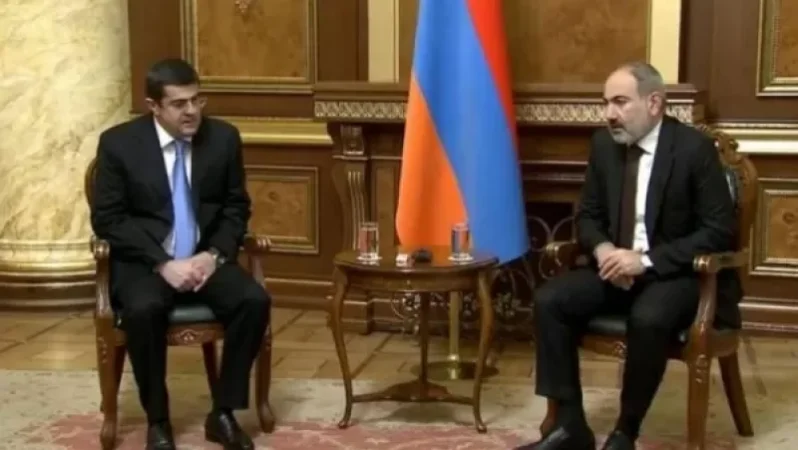
“Hraparak” writes: “The accusations directed at the authorities that they have washed their hands of Artsakh are not unfounded at all. This is visible at all levels, and its manifestations have recently become more pronounced. Since Monday, a delegation led by the President of Artsakh has been in Yerevan, which includes the Minister of Foreign Affairs of the Republic of Artsakh Davit Babayan, the President of the National Assembly Arthur Tovmasyan, the head of the National Assembly's Standing Committee on Foreign Relations, the member of the Dashnaktsutiun party Vahram Balayan, and the President’s advisor on foreign affairs Masis Mayilyan, meaning the entire bloc of Artsakh's foreign policy. The delegation rushed to Armenia to get information firsthand regarding Nikol Pashinyan’s quadrilateral meeting held in Prague on October 6 and the agreements reached.
It was reported that Azerbaijan and Armenia have committed to recognizing each other's territorial integrity, which means recognizing Artsakh as part of Azerbaijan. Initially, it was planned for the delegation to be hosted in its entirety by Nikol Pashinyan, but the Prime Minister preferred not to meet all of them together, so that the Artsakh representatives would not raise unpleasant questions among themselves. He preferred to meet only Arayik Harutyunyan to pass on the information. It was decided that the others would be received by their Armenian counterparts, namely the Minister of Foreign Affairs, the President of the National Assembly, and the Secretary of the Security Council.
Only one day after arriving in Yerevan did the meeting between Pashinyan and Harutyunyan take place, of which the government didn’t even find it necessary to issue a statement or provide details. The other high-ranking officials from Artsakh have been in Armenia for five days, and they have only now started to be received. The first was the Secretary of the National Security Council, Armen Grigoryan. Let’s hope he doesn’t later say that he received them as his compatriots, as he said after participating in the Artsakh holiday.
Today, the President of the National Assembly Alen Simonyan will also receive the Artsakh delegation. Minister of Foreign Affairs Ararat Mirzoyan traveled to Astana on October 12 and had at least two days to meet with his counterpart from Artsakh, with whom he hadn’t communicated for over a year. However, he did not find it befitting to meet Davit Babayan during those two days. We’ll see if he will meet him after returning. The chair of the National Assembly's Foreign Relations Committee—DJ Edon—could have also descended from his heights and received the Artsakh official, or the deputy ministers of foreign affairs could have met with the arriving delegation.
Since yesterday, we have been receiving information from government circles that they purposefully did not meet so that they can participate in the forthcoming meetings in Astana, and afterward provide a comprehensive update to the people of Artsakh. However, it is evident that the authorities of Armenia, just as they refused to visit Artsakh after the war, and for over two years under Nikol Pashinyan's leadership, no high-ranking official has visited Artsakh, are similarly signaling to Artsakh officials not to come to Armenia and pin their hopes on them.
We were told that the members of the delegation are extremely hurt by such a dismissive attitude toward them. For several days now, they have not even been answering phone calls. We spoke with the leader of the Armenian Revolutionary Federation faction in Artsakh, Arthur Mosiyan. Is the behavior of the Armenian authorities not a clear attitude towards Artsakh and its people? He said he would respond a few days later when it becomes clear whether meetings will happen or not. He did not deny that he also had information that Pashinyan was supposed to meet with everyone, but he does not have information on why the program changed later. “As far as I know, they have been told that meetings will take place after returning from Astana, let’s wait,” he urged.
Opposition faction MP Metakse Hakobyan, however, notes that since 2018, there has never been a partnership relationship between the authorities of Armenia and Artsakh. “From the very first day, there has been a master-servant relationship, and after the war, the authorities of Armenia have completely avoided communication; at first, their non-visit to Artsakh was somewhat understood. Now, it is a fact that they also avoid communication in Armenia. It is a fact that there are no relationships between the parliaments, the connections between the ministries of foreign affairs have been severed, and in the past two years, we have only seen interactions between two individuals, I mean Pashinyan-Arayik Harutyunyan, and even then, in the roles of speaker and listener. We’ve seen how Nikol Pashinyan said something, Arayik Harutyunyan came, conveyed it to us, and we understood that Pashinyan did not say what he should have said but said something to calm things down.
Especially, the President of the National Assembly has never received a warm welcome in Armenia; if there have been meetings, it was merely for the purpose of disseminating photos, because afterward, they would come back and recount how poorly they were received, sometimes even describing how humiliating those meetings were, and what feelings they evoked towards them. Therefore, it is unclear to me what expectations they have come to Armenia with now; perhaps they have come to obtain final clarifications, but after the results of the Prague meetings, it is visibly clear that Pashinyan will soon legitimize what he started after November 9—handing over Artsakh. Now at least he is obligated to candidly convey this to the authorities of Artsakh so that they can speak to their people as well. Perhaps it was difficult for him to stand up and confess this in the face of the foreign minister of Artsakh, the chair of the foreign relations committee of the National Assembly, which is why he did not receive them, or maybe he is waiting for a package of outcomes from Astana. We’ll wait a few more days.”
Նմանատիպ հոդվածներ
«The Government Demanded from Me»: Tatoyan's Scandalous Statement
Pashinyan on the Draft Decision to Open Checkpoints on the Armenian-Azerbaijani Border
The Government of Armenia Has Taken Admirable Steps: Statement from Erdoğan's Spokesman
Armenia Approaches Iran for Purchase of Combat Drones: Safavi
Ավելին Politics բաժնից
Կարևոր ուղերձ՝ ՌԴ–ՀՀ հարաբերությունների ֆոնին
ՌԴ-ն պնդում է` ամերիկյան միջուկային զենքը պետք է դուրս բերվի Եվրոպայից
Վերահաշվարկից հետո կուսակցությունների ձայների հաշվեկշռում փոփոխություններ են արձանագրվել