More Than Twenty Armenian Soldiers in Captivity Tortured, Armenian Prosecutor General's Office Reports
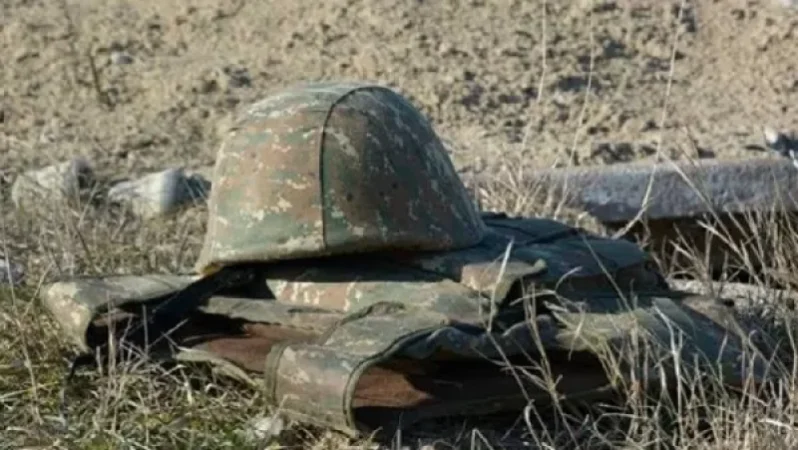
More than twenty Armenian soldiers in captivity in Azerbaijan have been tortured and subjected to inhumane treatment. This was reported by the Armenian Prosecutor General’s Office in response to a written inquiry from "Factinfo."
It is recalled that starting from 00:05 on the night of September 12 to 13, units of the Azerbaijani Armed Forces began intensive fire towards Armenian positions in the Gegharkunik, Syunik, and Vayots Dzor regions using artillery, large-caliber firearms, and drones.
On the same day, a criminal case was initiated by the Investigative Committee under Article 140, Part 1, Subpoint 2 of the RA Criminal Code (war crimes committed using prohibited methods of warfare manifested in attacks on civilian objects) and Article 149, Part 1 (planning, preparing, initiating, or executing aggression by a person who actually directs or controls state political or military actions).
The final number of fallen soldiers is currently unknown; according to the National Security Council, the Armenian side has recorded 207 dead and missing, though this figure is not yet definitive. On September 17, the Azerbaijani side transferred the bodies of 32 soldiers to Armenia, followed by 95 bodies on September 20, and another 6 on September 23. Additionally, the Deputy Chief of the General Staff officially confirmed news of bodies still under the control of the adversary, and Azerbaijan is hindering efforts to recover the remains.
Two weeks after the military aggression, the Investigative Committee reported identifying 201 deaths, of which 197 were servicemen and 4 were civilians. However, there are already facts indicating that Azerbaijani forces have disrespected the remains of Armenian soldiers and tortured prisoners of war.
The Armenian Prosecutor General’s Office noted that, in connection with Azerbaijan's war crimes, four more criminal cases have been initiated under several articles concerning crimes against peace and humanity. These include Article 143, Part 3 (desecration of the bodies of the deceased on the battlefield, accompanied by filming or photographing the process of mutilation or other desecration), Article 135, Part 1, Subpoint 1 (killing in the context of large-scale or systematic attack against civilians), and other relevant articles that have been joined to the main case.
“In particular, actions taken within the criminal proceedings have involved examining publicly available information sources, with notes on cases of Azerbaijani military personnel desecrating the bodies of Armenian servicemen found on the battlefield, accompanying attacks on their remains that have been filmed. Additionally, it has been established that during the act of aggression, the military-political leadership of Azerbaijan deliberately targeted civilian objects deep in the rear and civilians who did not directly participate in military operations, resulting in the deaths of 4 civilians and injuries of various degrees to a number of others,” the prosecutors’ office stated.
Moreover, it has been found that more than twenty soldiers in Azerbaijani captivity have been tortured and subjected to inhumane treatment. “It has been revealed that a group of unidentified Azerbaijani soldiers severely violated the norms of the 1949 Geneva Convention relative to the Treatment of Prisoners of War and committed acts against over twenty Armenian servicemen, recognized as protected persons under international humanitarian law, torturing and demonstrating inhumane treatment, as well as initiating a criminal case regarding the murder of captive David Gishyan,” the Prosecutor’s Office reported.
Regarding the desecration of fallen soldier Sh. Margaryan's body, the circumstances of his death, as well as those of other fallen soldiers, are under investigation, and procedural actions are being undertaken, including assigning a number of expert examinations.
In response to a written inquiry from "Factinfo," the Armenian Prosecutor General’s Office also reported that the military-political leadership of Azerbaijan has unjustifiably delayed and obstructed the repatriation of prisoners of war, which has led to a criminal case being initiated for incidents of hindrance or undue delay in repatriating a prisoner of war or civilian after the cessation of hostilities. At this time, several hundred decisions have been made within the proceedings recognizing individuals as victims.
Նմանատիպ հոդվածներ
Rafael Melkumyan Rescues Two Women and Young Children from Fire in Ivanovo Region
Two Weeks After Azerbaijani Attack, Armenian Side Identifies 201 Casualties, Investigation Committee Details
PHOTOS: Thick Smoke and Disgusting Smell – What Residents of the Capital Reported

Do Not Share ATM Card Security Details with Others, Prosecutor's Office Warns
Ավելին Society բաժնից

ՊԵԿ–ից դատապարտել են կաշառք ստանալու կասկածի հիմքով տեսուչների ձերբակալությունը
Իոանիսյանը մեղադրում է Թաթոյանին Կիրիենկոյից ֆինանսավորվելու մեջ

Կաշառք ստանալու կասկածի հիմքով ՊԵԿ աշխատակիցներ են ձերբակալվել