Why Baku Did Not Sign the Final Agreement in 1994

The newspaper "Joghourd" reports that after a recent interview of the first President of Armenia, Levon Ter-Petrosyan, with Public Television, discussions began in the public sphere regarding the three-party ceasefire agreement signed in 1994. In this regard, "Joghourd" interviewed Vladimir Kazimirov, the head of Russia's mediation mission from 1992 to 1996, who served as the presidential representative on the Nagorno-Karabakh issue, trying to understand how it was possible that Azerbaijan managed not to sign the final agreement of the Moscow accord at that time.
“On May 16-17, 1994, a meeting took place in Moscow involving Sarkisian, Mamedov, and Babayan, during which the document concerning the implementation of the February 18, 1994 accord was discussed. An agreement was signed to cease fire from midnight on May 17, and preparations were made for a document that anticipated the separation of Nagorno-Karabakh and Azerbaijani forces, the creation of a buffer zone between the sides, and the deployment of peacekeeping forces. The document was signed by Grachev, Sarkisian, and Babayan. However, Mamedov did not sign the document; he was urgently called to Baku. Azerbaijan refused to sign the final agreement of the Moscow accord, yet a ceasefire became a reality. 'Azerbaijan immediately clarifies that the Azerbaijani side intends to conduct negotiations to resolve the conflict only within the framework of the OSCE, and there can be no talk of deploying Russian peacekeepers in the conflict zone,' Kazimirov recalls.
"Joghourd" has also formally approached Levon Ter-Petrosyan to obtain a response to the same question.
For more details, see the current issue of the newspaper.
Նմանատիպ հոդվածներ
Private Samvel Grigori Antanyan, Missing Since September 14, Found
Current Situation on the Border: Armenian Ministry of Defense Report
What Happened in the Village of Shaki, and Who Were the People That Entered the Village: Details
Are 90% of Those Drafted from Tuapse Armenian? What Document is Circulating
Ավելին Society բաժնից

Ղրիմը մնացել է առանց ջրի
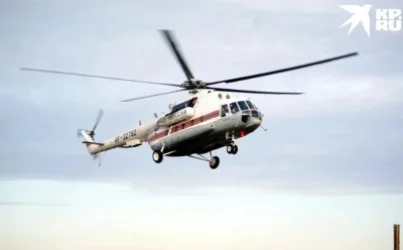
Ռուսաստանի Պրիմորիեի երկրամասում ուղղաթիռ է անհետացել, որում երկու մարդ է եղել

Շոգի ալիքը հասնում է Եվրոպա․ մի շարք երկրներում վտանգավոր բարձր ջերմաստիճաններ են