The Death and Injury Toll is Quite High, Positional Changes are Concerning: Davit Tonoyan on Azerbaijan's Latest Provocation
The former Minister of Defense of Armenia, Davit Tonoyan's legal team has compiled questions received from various media outlets over the past weeks and presents the answers:
- In the current situation, how do you envision the withdrawal of enemy forces that have invaded and positioned themselves in Armenian territory?
- The two-day military operations have resulted in a rather peculiar situation, with a considerable number of casualties and injuries on both sides, and the picture of positional changes is concerning. The adversary claims to have achieved its objectives and disregards all international responses. Apparently, the Armed Forces of Armenia are exhibiting "constraint," which I believe is a result of a political decision. The continuation of such "constraint" will have severe repercussions on the morale and psychological state of the armed forces, and consequently, their combat readiness.
Questions arise: What is the "red line" that, if crossed, will mean that the Armed Forces will no longer be constrained? Does the political leadership assess the actions of the armed forces as sufficient, or do they consider that they are incapable of acting appropriately in the given situation, and that any daring action could result in heavy losses? These questions have not been publicly answered.
The danger to the borders of Armenia will not be neutralized by, as they say colloquially, "slipping through," "breaking free," or through "God willing." The leadership of the armed forces must demand the necessary provisions for the army from the political leadership, and the government must ensure this as soon as possible—at any cost. I repeat: at any cost, both literally and figuratively.
- Armenia has officially stated that it perceives a danger of invasion from Nakhchivan. What can the military and diplomats do to neutralize or mitigate this threat?
- The direction of Nakhchivan is not new as a problematic issue. Measures were previously taken to neutralize the threat of military operations in that direction. My approach is as follows: the combat readiness of the armed forces must be sharply increased in the short term to ensure a qualitative change against the adversary so that modern military operations can be conducted along the entire length of the Armenian border, and to guarantee the physical security and the right to self-determination of the people of Artsakh.
- Prior to, during, and after Nancy Pelosi's visit, opinions emerged that Armenia should try to expand military and military-technical cooperation with the West. How realistic do you consider such ideas?
- The idea of expanding such cooperation is not new and is entirely realistic. Practically, I do not know whether the Western countries have lifted the political restrictions on the supply of weapons to Armenia and Azerbaijan since November 2020. If those restrictions have been lifted, weakened, or are "ignored," then that's a good development! Our membership in the CSTO has never been a real obstacle to acquiring military supplies from the West; that is a fabricated myth. Only the aforementioned restrictions have operated. I should also mention that the procurement of weapons and ammunition prefers silence rather than public statements.
- The Armenian authorities have publicly criticized the actual inaction of the CSTO. How do you assess this?
- Armenia's membership in the CSTO, as a factor deterring Azerbaijan, is again a myth, of which we are witnessing the collapse now. Armenia's membership in the CSTO has multifaceted objectives for ensuring security, the change of which I do not see. Regardless of everything, the CSTO does not in any way prevent the Armenian Armed Forces from defending our borders.
Նմանատիպ հոդվածներ
Private Samvel Grigori Antanyan, Missing Since September 14, Found
Current Situation on the Border: Armenian Ministry of Defense Report
What Happened in the Village of Shaki, and Who Were the People That Entered the Village: Details
Are 90% of Those Drafted from Tuapse Armenian? What Document is Circulating
Ավելին Society բաժնից
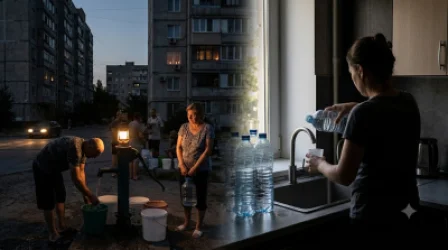
Ղրիմը մնացել է առանց ջրի
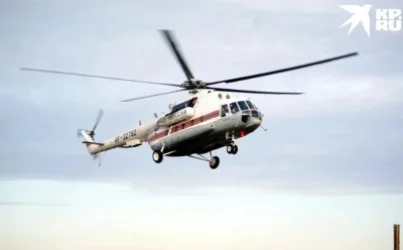
Ռուսաստանի Պրիմորիեի երկրամասում ուղղաթիռ է անհետացել, որում երկու մարդ է եղել

Շոգի ալիքը հասնում է Եվրոպա․ մի շարք երկրներում վտանգավոր բարձր ջերմաստիճաններ են