Pashinyan-Aliyev Brussels Meeting May Prove Decisive
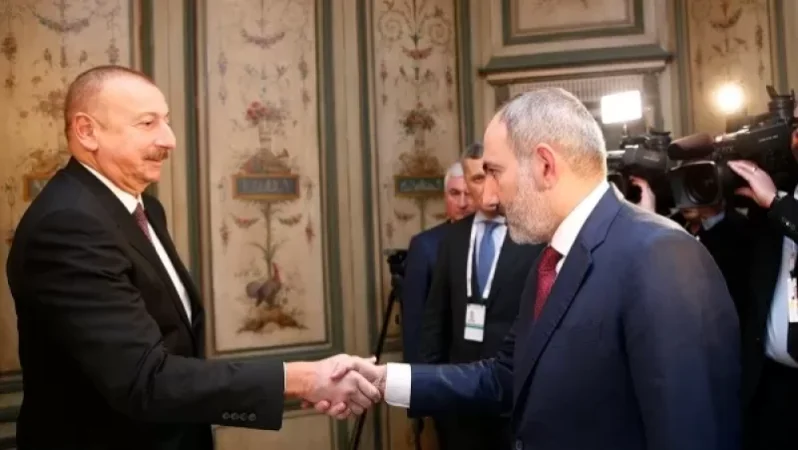
The Deputy Prime Ministers of Armenia and Azerbaijan will hold a joint meeting of the boundary delimitation and security committees in Moscow on Tuesday. However, the main event will take place the following day in Brussels, where the leaders of the two countries, Nikol Pashinyan and Ilham Aliyev, will meet with the mediation of European Council President Charles Michel.
The negotiations in Moscow will relate to the implementation of technical agreements, while the Brussels agenda will focus on the primary unresolved issue: Are Yerevan and Baku prepared to sign a peace treaty and draw a line under more than 30 years of conflict?
The shift of diplomatic efforts to the European platform is tied to dissatisfaction from both sides with Moscow's mediation efforts. Against the backdrop of the geopolitical confrontation that has arisen due to the conflict in Ukraine, Brussels is attempting to seize this opportunity to take over the role of principal peacemaker from Russia, reports Kommersant, whose article we present below.
Who in Moscow, who in Brussels
The joint session of the two national committees for delimitation and security, chaired by Armenian Deputy Prime Minister Mher Grigoryan and Azerbaijani Deputy Prime Minister Shahin Mustafayev, will be the second meeting in this format. The first meeting took place on May 24 at the border of the two countries, immediately after Pashinyan and Aliyev signed decrees establishing national committees following negotiations mediated by Charles Michel in Brussels on May 22.
On the eve of the meeting on August 30, Russian Prime Minister Mikhail Mishustin and Azerbaijani Prime Minister Ali Asadov discussed the implementation of the trilateral declaration signed by the leaders of Russia, Azerbaijan, and Armenia on November 9, 2020, at a meeting of the heads of government of the Eurasian Economic Union held last week in Cholpon-Ata. During the meeting, Ali Asadov emphasized the importance of solving current issues within the trilateral working group led by the Deputy Prime Ministers.
“Serious work is underway there. We hope it continues until the end,” said Ali Asadov.
“It is very important to ensure the implementation of all decisions made within the trilateral commission to ease tensions in the region,” emphasized the position of the Russian Prime Minister.
Nevertheless, despite the ongoing work to implement previously agreed trilateral arrangements under Russian mediation, Baku and Yerevan increasingly feel the need to continue negotiations at another European platform, mediated by Charles Michel.
Previously, Charles Michel brought together the leaders of Azerbaijan and Armenia for meetings twice, last December and this May. On August 31, he will host a third meeting between Ilham Aliyev and Nikol Pashinyan in Brussels, which may prove decisive for both sides in determining the future direction of the peace process in the South Caucasus.
“We hope that this meeting will agree to establish a working group for preparing the text of the peace agreement between Azerbaijan and Armenia. However, we are seeing reluctance from Armenia regarding this process: Karabakh is no longer a foreign policy issue for Azerbaijan. This issue is already 'resolved', and the OSCE Minsk Group is already in the past. For us, this issue is closed; now we want to establish civilized relations,” formulated the main expectations of Baku through the Assistant to the President of Azerbaijan Hikmet Hajiyev.
For its part, Yerevan has preferred to refrain from comments about the upcoming meeting in Brussels. “A relevant message will be disseminated after the outcomes, providing comprehensive information on the topics discussed,” the spokesperson for the Armenian Prime Minister’s Office informed.
Which Path Leads to Peace
The meetings in Moscow and Brussels will take place against the backdrop of escalating tensions observed throughout August in the Armenian-Azerbaijani conflict zone. Already at the beginning of the month, an event occurred that cannot be called an ordinary clash: Azerbaijani forces carried out military operations in the Saribab mountain area of Karabakh. Baku labeled it a “Retribution” special operation in response to shelling by Armenian forces that resulted in the death of an Azerbaijani soldier.
Immediately thereafter, Nikol Pashinyan stated that the events in Karabakh were raising “a number of questions about the Russian military presence” from the leadership of Armenia. Last week, the Armenian Prime Minister called Russian President Vladimir Putin. However, the conversation between the two leaders was unable to ease the tension prevailing in Yerevan, manifested in Pashinyan’s address on August 23, marking the 32nd anniversary of Armenia’s independence.
“The government fights every day for the independence of the Republic of Armenia. Independence is safety for us, and the international frameworks that ensure it are cracking right before our eyes, and the first to suffer that crack unfortunately manifested itself in Nagorno-Karabakh,” said Pashinyan. Judging by everything, when he referred to “cracking” international structures, Pashinyan meant the OSCE Minsk Group. Additionally, without naming Russia, the Armenian Prime Minister once again reminded that issues regarding allied obligations have been accumulating.
“Independence means strong allied relations for us, but allies are not always allies only to you, but also to those who ally against you,” said the Armenian Prime Minister.
Meanwhile, the Azerbaijani side is dissatisfied with the delay in implementing the agreements from November 9, 2020.
Kommersant notes that its interviewees from Yerevan admit that ahead of new negotiations in Moscow and Brussels, the situation is not in Armenia's favor. Political scientist Benjamin Poghosyan noted that for Yerevan, the situation is becoming increasingly complicated as the EU, which aspires to be a mediator, like the United States, relies on a resolution to the conflict that will lead to the withdrawal of Russian peacekeepers from Nagorno-Karabakh after November 2025.
“Therefore, the EU is interested in having Yerevan and Baku reach an agreement on the status of Karabakh as an autonomous region within Azerbaijan during the Brussels negotiations, so that real negotiations can begin on the parameters of this autonomy afterward,” stated Benjamin Poghosyan.
For its part, co-chair of the Russian-Azerbaijani Expert Council Farid Shafiyev confirmed that Baku's priority in the Brussels negotiations will be the peace agreement with Yerevan. “The Russian expert community is asking why Armenia and Azerbaijan opened an alternative platform for negotiations in Brussels when there is already a Russian format. First, the Brussels negotiations do not mean a rejection of the Russian platform. Second, the EU is offering both countries concrete economic support, and, in particular, Armenia has high hopes for investment from Brussels. Third, despite the signature of the Russian president on the January 11, 2021, document, Armenia has delayed the process of opening communications from Azerbaijan's western regions to Nakhchivan, as envisaged by point 9 of the November 9, 2020 statement. Baku is disappointed with the lack of progress, which is another reason for the negotiations to be launched in Brussels,” noted the expert.
Նմանատիպ հոդվածներ
Ավելին Politics բաժնից
Պուտինը ուղերձ է հղել Գարեգին Բ-ի եղբորը
Հատելու են բոլոր կարմիր գծերը. Նարեկ Կարապետյան
Ազգային ժողովի նախագահի պաշտոնի համար թեժ մարտեր են ընթանում. «Հրապարակ»