Why Phone Terrorists Were Previously Identified: 'Hraparak'
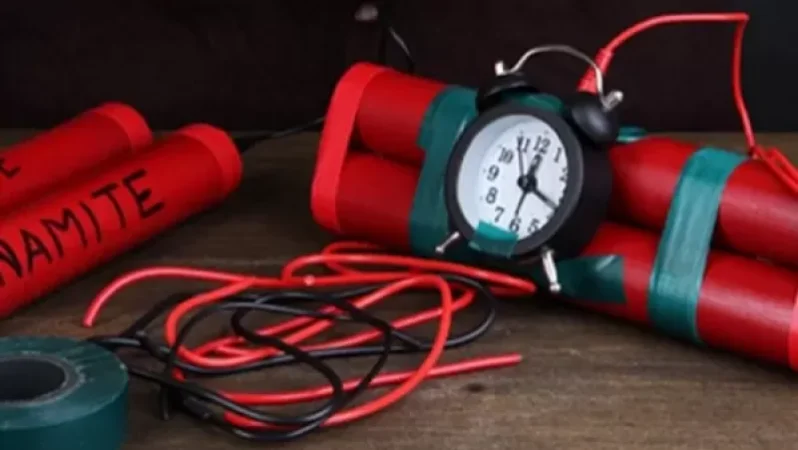
«Hraparak» newspaper writes: «For the residents of Yerevan, reports of bombs being planted have become a common phenomenon. Following the explosion at the 'Surmalu' shopping center, metro stations were closed at various times for several days without any special notification to residents, who would only learn about the closures upon reaching the nearest station.
On July 16, citizens were not allowed into the 'Charbakh' and 'Garegin Nzhdeh' stations, being told there could be a bomb present. Metro operations resumed after 5 PM that day. It turns out that the false bomb alerts are just the visible tip of the iceberg. According to the Ministry of Emergency Situations, there have been 31 false bomb threats in the past eight months, yet none of the callers have been identified.
The only individual who has been confirmed is a man from Gyumri, whose image was circulated online. However, this cannot be considered a true identification. The man himself presented himself, claiming he had called 911 while intoxicated to report intentions to blow up the tax office in Gyumri and the National Assembly building. Various explanations circulate regarding the numerous false alerts, with the most common being that they are organized phone terror by Azerbaijanis. Another is the public hysteria caused by a compromised security environment, which manifests in such peculiar ways.
Garnik Isagulyan, chairman of the 'National Security' party, believes it is important to identify the perpetrators regardless of their origin. “Whether they are Azerbaijanis or not, we must unveil them. Suppose they are Azerbaijanis; does that mean we should allow them to act with impunity? It is easy to say they are Azerbaijanis and consider the matter closed. Our society is such that there is a large portion that believes whatever is said. They play on this mass,” he stated.
Isagulyan has his own hypothesis. He argues that false alerts are a specific technology aimed at diverting public attention. Who employs this technology remains unspecified. “Enemies of the Armenian people and the Armenian nation. It does not matter in what form they appear—be it Azerbaijanis, Turks, or Armenians. The sooner we identify them, the more we will benefit. I believe our special services have the technical capabilities to do so,” Isagulyan says.
The Prosecutor General's Office of Armenia has initiated a case based on Article 314 of the Armenian Criminal Code (spreading false information about terrorism). The act is punishable by a fine of up to twenty times the minimum wage or community service of 80-150 hours, or confinement for up to 3 years.
According to our information, some of the alerts were received in the form of electronic messages that were sent to various institutions, including the electronic addresses of the Yerevan city hall. The officials who received those messages have been interrogated.
The question arises: why, in the era of information technology where methods improve day by day, have phone terrorists not been identified? We all remember that previously, there were false alerts about planted bombs in airports, airplanes, the tax office building, and metro stations. Even in public schools. But along with those alerts, we also learned about identifications occurring. We read in the press about security forces' reports that the 'phone terrorist' had been identified. Names were not provided, but the population, both the mentally unstable and the cognizant, knew to expect punishment.
For instance, on December 17, 2019, the police received an alert that a bomb had been planted in the Arabkir police division. The NSS identified the phone terrorist as K. S., a 34-year-old resident of Yerevan. On April 17, 2018, at 12:36 PM, a man named K. G., born in 1984 and living in Germany for the past 8 years, called the police and claimed that explosives had been planted in the National Assembly. The citizen was identified despite being abroad, and an attempt was made to hold him accountable through the country's law enforcement agencies. In May 2017, they identified someone who reported a bomb was planted at the 'Hrazdan' stadium who was a 30-year-old resident of Yerevan. Why do we lack identifications today while unproven hypotheses disrupt public tranquility?
The Union of NSS Reserve Officers has published a theory that suggests the alerts are organized and stem from a single source, indicating they are the handiwork of the same group of individuals. Co-founder of the union and former acting director of the NSS, Mikael Hambardzumyan, stated that the author of the phone calls and anonymous messages is likely the same person or a group of people. He believes the goal is to instigate panic. “They want to create additional problems this way,” he told us.
According to Hambardzumyan, false alerts should not be linked to the incident at 'Surmalu' as there was no prior warning in this case. “It is merely a coincidence; those who cause panic are taking advantage of the situation.” Generally, how difficult is it to find false alarm callers, and what is necessary for that?
The former NSS director claims, “Law enforcement has the appropriate capabilities and is working on this. It requires serious analysis in the technical field. If they can coordinate everything, it yields results, and in that case, identifications occur.” Why were there more identifications previously than now? “Before, they worked harder and slept less; perhaps that was the reason,” Mikael Hambardzumyan states.
Former NSS officers are trying to utilize their available means to determine who the authors of the calls and messages are. How this will be accomplished, given that they cannot access the materials of the initiated criminal cases and the toolkit of the NSS, remains unclear.
Նմանատիպ հոդվածներ
«Let us have Independence, we will have Independence» – Nikol Pashinyan delivers a message
Decision Made: EMERCOM Spokesman on the Opening of 'Petak' Entrance
"They Won't Let Us Open the Box: People Have Gathered Asking for Clear Reasons" - Samson Grigoryan
Mikael Arzumanyan, Chief Advisor to the President of Artsakh, Arrested
Ավելին Politics բաժնից
Ընտրությունների գիշերը ծեծել են կալանավորներին․ «Հրապարակ»
Վերցնե՞լ, թե՞ չվերցնել մանդատները․ «Հրապարակ»
ՔՊ-ում սրտատրոփ սպասում են ընտրությունների վերջնարդյունքներին․ «Հրապարակ»