The Dollar is Causing Chaos Worldwide, Bloomberg
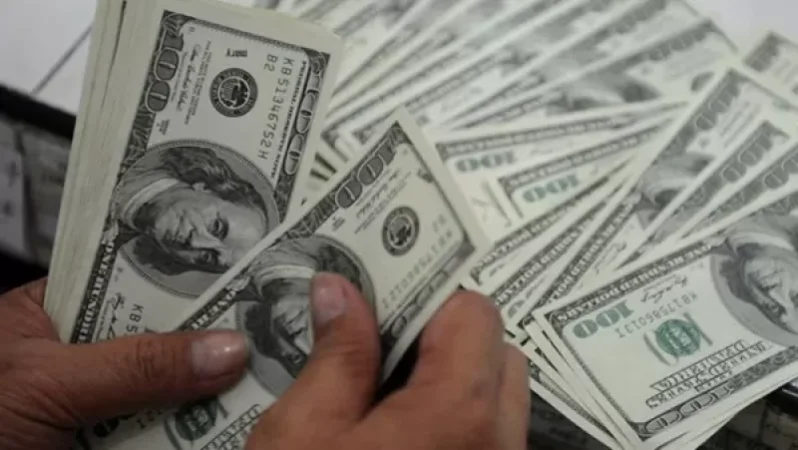
The dollar, which sustains global trade, is experiencing a surge unlike any in modern history. Its rise is primarily the result of aggressive interest rate hikes by the Federal Reserve, which raised rates by another 75 basis points on Wednesday, leaving a devastating mark: rising costs for food imports and deepening poverty in much of the world, prompting defaults on debts and the collapse of Sri Lanka's government, and ongoing losses for investors in stocks and bonds as financial capital dwindles, Bloomberg reports.
According to some information, the dollar has now reached a historic high. Since mid-2021, it has increased by 15 percent against a basket of currencies. And as the Federal Reserve has decided to continue raising interest rates to combat inflation—despite the potential for pushing both the U.S. and global economies into recession—most long-time observers of the currency see nothing that will hinder the dollar's growth.
This situation somewhat mirrors the anti-inflation campaign conducted by the Federal Reserve under Paul Volcker in the early 1980s. This resurgence of talk about the possibility of reviving the Plaza Accord, an agreement that allowed for the artificial restraint of the dollar, is gaining momentum. Such a deal may seem far-fetched at the moment, but given certain market indicators suggesting that the dollar may once again easily rise to similar profit levels, threatening the global financial system and creating all sorts of additional problems, it is likely only a matter of time.
“There’s no kryptonite that can quickly disrupt the dollar’s strength, as the Eurozone is preoccupied with the war in Ukraine, and China’s recovery remains unstable,” says Vishnu Varathan, head of economics and strategy at Mizuho Bank Ltd. in Singapore. “Wherever you look, there’s simply no alternative to the dollar, and as a result, it is obliterating everything else—economies, other currencies, corporate revenues.”
The American currency’s ascent is impacting everyday life worldwide, serving as the lubricant for global trade; around 40 percent of the $28.5 trillion global trade is estimated to be denominated in U.S. dollars. Its relentless growth threatens to create a self-perpetuating 'death spiral.' The demand for dollars is high for one simple reason: when global markets go haywire, investors seek refuge. As the Bank for International Settlements states, that guarantee is “currently primarily provided by the U.S. dollar.” The size and power of the U.S. economy remain unprecedented, with the Treasury continuing to be one of the safest ways to amass cash, with the dollar accounting for the lion's share of currency reserves.
Some key indicators of the dollar show its potential for further growth. Although the Bloomberg Spot Dollar Index hit a record high this month, it has only been measured since the end of 2004. The narrower ICE index for the U.S. dollar—the performance of the dollar against developed partners—remains significantly below the levels of the 1980s. To return to its peak in 1985, when the Plaza Accord was signed, a rally of 54 percent would be needed.
However, the circumstances have changed, notes Brendan McKenna, a strategist at Wells Fargo Securities in New York. The dollar’s strength is not as apparent—at least, it hasn’t shown yet—and the Federal Reserve may have to start lowering rates at some point next year when the economy cools, thus easing pressure on the dollar. “Coordinated actions aimed at depreciating the dollar and supporting G-10 currencies are probably not much of a priority at this stage,” he said.
Nevertheless, currencies from many of these large economies are suffering. In addition to the euro's decline, the Japanese yen has fallen to a 24-year low as investors chase higher yields. Many emerging markets are feeling even greater damage. The Indian rupee, the Chilean peso, and the Sri Lankan rupee have all hit record lows this year despite efforts by some central banks to slow the decline. The Hong Kong Monetary Authority is buying local dollars at record pace to protect the city's currency peg, while the Central Bank of Chile has initiated a $25 billion intervention after the peso fell over 20 percent in five weeks.
“That’s not going to work,” says Luca Paolini, a strategist at Pictet Asset Management Ltd. “This escalation of inflation, this value of the dollar are generation-defining events, and emerging market central banks can do little against it.”
A strong dollar boosts profits for oil producers and commodity exporters, as well as international companies like Toyota Motor Corp., which keep most of their earnings in the U.S. However, tech giants that bring back parts of their global revenues to the U.S. are getting hit. Microsoft Corp. states that the dollar is eating away at its profits, while International Business Machines Corp. blames the strong dollar for perpetuating cash flow deficits.
There have been episodes of dollar appreciation in the past, such as in 2016 or 2018, when the Fed was trying to tighten policy, but recent data indicates that inflation in the U.S. is at its highest level in four decades, and the Fed has less room to maneuver.
Investors from Singapore to New York are theorizing about catalysts such as slowing growth, clarity on when the Fed will pause rate hikes, or a significant recovery in Chinese economic growth. However, it remains unclear when any of those scenarios will materialize. In June, U.S. consumer prices surged to 9.1 percent, and the Fed hadn’t raised rates that rapidly since the mid-1990s.
Since then, the global economy has changed dramatically. For three decades, the growth of Chinese manufacturing has kept the prices of millions of products in check—even amid rising raw material costs. As the supply of cheap labor and capital in the Asian country began to dwindle, price pressures started to build again. Then came the trade war with the United States, the pandemic, and the war in Ukraine. As the world’s second-largest economy remains committed to its zero-COVID policy, even at the cost of slowing growth, a return to normal life seems far off.
With such uncertainty, central banks from Australia to Canada have no choice but to follow the U.S. lead and raise borrowing costs to combat inflation. And without clarity on when the cycle may end, few investors are willing to bet against the dollar.
Նմանատիպ հոդվածներ




Ավելին Politics բաժնից

Ընտրական գործընթացի շուրջ նոր զարգացումներ կան

Պենտագոնի հարկերը փակվել են. մանրամասներ

Իրանում ռելսերից դուրս է եկել մարդատար գնացքը