Tovmasyan's Statement on the Process of Disfranchising Opposition Members
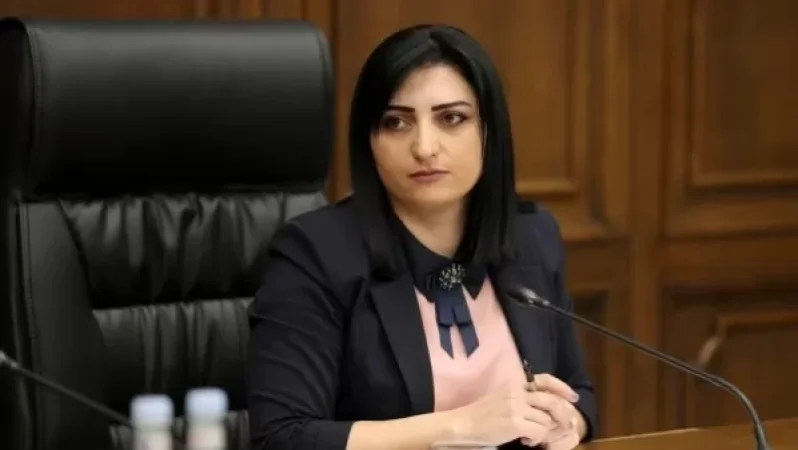
It is no secret that legislative initiatives submitted by opposition members are not accepted in the National Assembly. In such conditions, there is a lack of constructive interaction between the ruling majority and the opposition minority in parliament, which is the reason for the opposition members' boycott. This was noted by the Chair of the Standing Committee on Human Rights Protection and Public Affairs, Taguhi Tovmasyan, on her Facebook page, urging the ruling majority to refrain from the reckless intention of disfranchising opposition members.
Disfranchising opposition members for their opposition activities is an unacceptable process.
As is known, the RA National Assembly Council is preparing to appeal to the Constitutional Court regarding the termination of the powers of 33 opposition members, basing it on the second part of Article 98 of the Constitution, which states that a member's powers are terminated in case of unjustified absence from more than half of the votes at least in one calendar semester, as well as in cases of violation of the requirements of Article 95 of the Constitution.
Although both the number of absences and their unjustified nature should be verified during the proceedings, it is nevertheless concerning that the National Assembly Council is considering such a decision regarding opposition members who have participated in peaceful rallies since mid-April of this year and have conducted opposition activities as opposition members.
1. MPs have exercised their right to participate in gatherings as per Article 44 of the RA Constitution, which is reserved for everyone, and the restrictions provided by the RA Law on Freedom of Assemblies do not apply to members of the National Assembly.
2. Parliamentary boycott is a legal means of expressing dissent according to the joint opinion of the Venice Commission and the OSCE/ODIHR dated March 20, 2021, which was given regarding the participation of opposition parliament members in certain legislative changes in the Republic of Georgia. In particular, it is stated that parliamentary boycott is a legitimate means of expressing dissent in political discourse (although long-term and extensive boycotts can hinder any substantive dialogue in parliament and may affect the right to political participation through representatives elected by the people).
It is also accepted that the rights to free association and free expression are fundamental for the proper functioning of a democratic society. Political parties, as collective instruments of political expression, should be able to fully benefit from such rights. The fundamental rights granted to parties and their members are primarily enshrined in Articles 19 and 22 of the International Covenant on Civil and Political Rights, as well as Articles 10 and 11 of the European Convention on Human Rights and Fundamental Freedoms.
3. The powers of opposition members cannot be terminated for their opposition activities. According to point 149 of the Venice Commission's report CDL-AD(2010)025 on opposition in a democratic parliament, a good functioning parliamentary democracy should have a balance between the majority and minority, which creates interaction, thereby ensuring effective, democratic, and legitimate governance. In this context, it is no secret that legislative initiatives submitted by opposition members are not accepted in the National Assembly. In such conditions, there is a lack of constructive interaction between the ruling majority and the opposition minority in parliament, which is the reason for the opposition members' boycott.
Initiating the process of terminating the powers of boycott and peaceful rally-participating members, even in the presence of formal grounds, further escalates the political situation and undermines political pluralism in the country. Essentially, it is this step that disrupts the normal functioning of parliament, not the boycott of opposition members. The absence of opposition members from several sessions has not hindered the decision-making process regarding the issues on the agenda of the regular and extraordinary sessions convened by the National Assembly, which emphasizes that a failure to formally comply with procedural obligations cannot lead to the termination of powers.
Thus, such a move by the parliamentary majority is an excessive use of power and lacks political prudence. With this statement, I urge once again to reconsider the necessity of appealing to the Constitutional Court for the termination of the powers of opposition members and not to violate the already vulnerable democratic values in the Republic of Armenia. Considering this, I will not participate in today’s session of the National Assembly Council called on that agenda, despite being a member of the council.
Նմանատիպ հոդվածներ


Ավելին Society բաժնից
Ալեն Ղևոնդյանին արգելվել է հրապարակումներ անել և հավաքների մասնակցել
Բացառիկ պատմական արժեք ներկայացնող նվիրատվություն՝ Մատենադարանին
Մարգարայի անցակետում ուշագրավ զարգացում է արձանագրվել