What is Happening with Drinking Water and What Veolia Water Explains

For more than a week now, residents from certain addresses in the Erebuni community have been reporting that the quality of drinking water has deteriorated sharply. In conversations with the "Fact" newspaper, residents mentioned that they have even detected a foul smell from the drinking water.
These days, residents are avoiding using tap water and many prefer to buy water instead. Regarding the issue, Murad Sargsyan, head of public relations at Veolia Water CJSC, mentioned in an interview that the water supplied in the system is mostly sourced from underground mountain springs, while some of it comes from open surface waters (rivers) or deep wells from aquifers. He stated that although the quality of water from the latter is slightly inferior in certain aspects compared to mountain spring water, it fully complies with the requirements of sanitary regulations and norms.
“The situation is that during hot weather, the taste of dissolved minerals in the water becomes more pronounced due to increased water temperature, confusing consumers and causing dissatisfaction,” he added. It should also be noted that surface waters from rivers undergo preliminary treatment at water purification stations before being supplied to consumers, while for deep wells, the issue pertains to the specific hardness of the water, which does not exceed the established level.
Nevertheless, Veolia Water CJSC is making efforts to provide consumers with water from mountain springs as much as possible. Specifically, as a result of the work carried out, the residents of the Masis region in the Ararat province currently receive water from the mountain springs of Arzakan and Garni for about 8-9 months of the year. Only for 3-4 months, due to increased water demand during hot weather, the supply here is provided from deep wells. The same applies to certain areas of Erebuni and Malatia-Sebastia administrative districts in Yerevan, where some amounts from deep wells are also supplied due to increased water consumption during the summer.
It is no secret that during the summer, a significant amount of water is directed to irrigation by the same consumers, which forces a reliance on deep well waters,” the company stated, assuring that laboratory research conducted this year did not register deviations and inconsistencies in water quality from the sanitary standards and norms.
When asked how long residents will be forced to use such water, Murad Sargsyan clarified that the aforementioned 3-4 months refers to the period until approximately mid-September. “In reality, energy is spent on operating deep pumps. We are the first to want there to be no such thing, so that this money goes not to the energy sector but to repair water lines. Believe me, this is a desperate step,” he concluded. Details can be found in the newspaper's current issue.
Նմանատիպ հոդվածներ
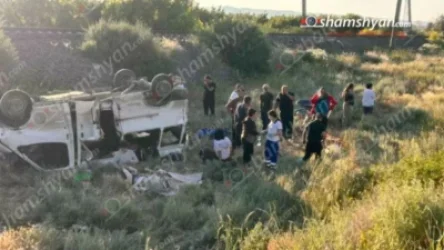
The Condition of Soldiers Involved in the Accident is Critical; Name of the Deceased Released
Urgent: Artur Vanetsyan Submits Resignation of Parliamentary Mandate
Ishkhan Saghatelyan Removed from Position of National Assembly Vice President
Azerbaijan Opens Fire with Heavy Artillery Towards Khachik Village: MoD Elaborates
Ավելին Society բաժնից
Եվրոպայում անոմալ տապի պատճառով էլեկտրաէներգիայի գները բարձրացել են
ԼՂ-ից բռնի տեղահանվածների շրջանում ՀՀ քաղաքացիություն ստացողների թիվն ավելացել է
Հորդանանի մայրաքաղաքում ֆուտբոլային երկրպագուների հավաքի ժամանակ հրմշտոց է տեղի ունեցել