Azerbaijani Officials’ Statements Must Be Cautionary, Says Pashinyan
Prime Minister Nikol Pashinyan hosted participants of the meeting of the Committee of Secretaries of the Security Councils of member countries of the Collective Security Treaty Organization (CSTO), including Armenia's Security Council Secretary Armen Grigoryan, Russia's Security Council Secretary Nikolai Patrushev, Belarus's Security Council Secretary Alexander Wolfovich, Kazakhstan's Security Council Secretary Gazizat Nurdauletov, Kyrgyzstan's Security Council Secretary Marat Imankulov, Tajikistan's Security Council Secretary Nasrullo Mahmudzoda, and CSTO Secretary-General Stanislav Zas.
In his opening remarks, Prime Minister Pashinyan stated: “Dear friends, I welcome you to the Republic of Armenia for the next meeting of the Committee of Secretaries of Security Councils of CSTO member countries, which is taking place in our country under Armenia’s presidency in the CSTO. Indeed, this is a double-anniversary year for our organization. We are marking the 30th anniversary of the signing of the Collective Security Treaty and the 20th anniversary of the establishment of the CSTO, and it is a great honor for us to preside over our organization during this anniversary year.”
He continued, “You know, and we have discussed repeatedly, that enhancing the effectiveness of the CSTO is one of the main priorities of our presidency, and we believe that we must improve the mechanisms for rapid and crisis response to specific situations.”
Pashinyan noted, “Principally, we also have a legal framework in this regard. On December 10, 2010, the Collective Security Council of the CSTO adopted a provision on the procedure for responding to crisis situations, and I believe this document clearly outlines the mechanisms that exist within our organization. In particular, it specifies what we should consider a crisis situation and how we should respond to it.”
He emphasized that the document includes the concept of a 'mission,' defined as a group of specialists from member states tasked with monitoring the situation in a crisis zone, assessing the situation on-site, proposing further measures for the organization to prevent and resolve the crisis, as well as carrying out other functions set by the CSTO Collective Security Council.
Pashinyan also highlighted the 'Monitoring' chapter within the second section of the document, noting that the CSTO Secretariat continuously gathers and analyzes information regarding the situation and its trends within the organization’s area of responsibility to identify the prerequisites for crisis situations.
“Why am I talking about this? You know that just last year in May, Azerbaijani armed forces invaded our territory, and we appealed to the CSTO regarding this matter. I have spoken about this multiple times, and as the presiding member, I want to emphasize that this issue must be discussed appropriately. Why? Because we see that aggressive statements from Azerbaijan continue, and we must address this issue – especially considering that Armenia has approached the CSTO, as it is a crucial matter for both us and the organization,” he said.
Pashinyan remarked, “I also want to note the following: after the invasion of Azerbaijani troops into our territory, there were comments regarding the lack of a delineated and demarcated border between Armenia and Azerbaijan. Frankly speaking, this is a rather dangerous formulation because we are saying that it is the area of responsibility of the CSTO. If we claim that the borders where demarcation and delimitation processes have taken place should be taken into account, this can blur the concept of the CSTO's area of responsibility, as a question arises: where does the CSTO's area of responsibility begin and end?”
He asserted, “Our position is that there is a specific border between Armenia and Azerbaijan, as in 1991, when the Commonwealth of Independent States was formed, an inter-state agreement was signed stating that countries mutually recognize the existing borders between them. Here, we refer to the administrative borders from the Soviet Union period, and I believe this should be our starting point. I believe the alternative interpretation of this situation would reduce the effectiveness of the CSTO.”
Pashinyan expressed hope that these nuances would also be discussed during the meeting. “Recently in Moscow, during an informal summit of the CSTO, I raised this issue. We have begun discussions, and I want once again, as the presiding member, to instruct the CSTO Secretary-General to organize this matter in accordance with our statutory documents, as the situation in our region is currently, we can say, steadily tense. However, the statements made by Azerbaijani officials must be cautionary, and I believe this issue should be discussed within the CSTO framework.”
“Let me once again welcome you. I am very glad to see you. And I am very pleased with the dynamics that have formed in the CSTO in the post-COVID period, because in the past two years we have had very little communication within the established formats. Of course, we have continued to work online, but I believe we all agree that such meetings and interactions are very important for our work. I am glad we have returned to this mode, and it happened during our presidency year, this important anniversary year. Thank you.”
The Prime Minister discussed issues related to the organization’s agenda and activities with the Security Council secretaries of CSTO member countries, exchanging views on regional and international security challenges.
Նմանատիպ հոդվածներ
Ավելին Society բաժնից
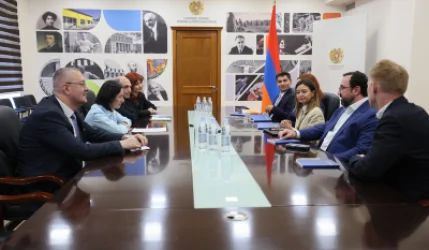
Հայաստանի կրթական համակարգում կներդրվի ChatGPT Edu հարթակը՝ որպես ուսուցման նոր գործիք

ՀԷՑ-ում վթարային անջատումների տևողությունը նվազել է 36,7%-ով․ Ռոմանոս Պետրոսյան
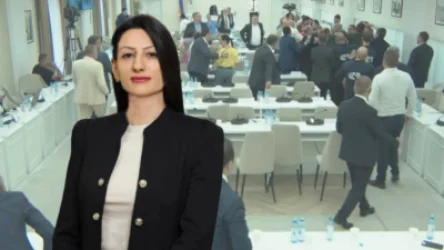
ՄԻՊ-ը մտահոգիչ է համարում Երևանի ավագանու միջադեպը և դատապարտում է բռնության դրսևորումները