The Situation Remains Unstable and Tense: Mirzoyan
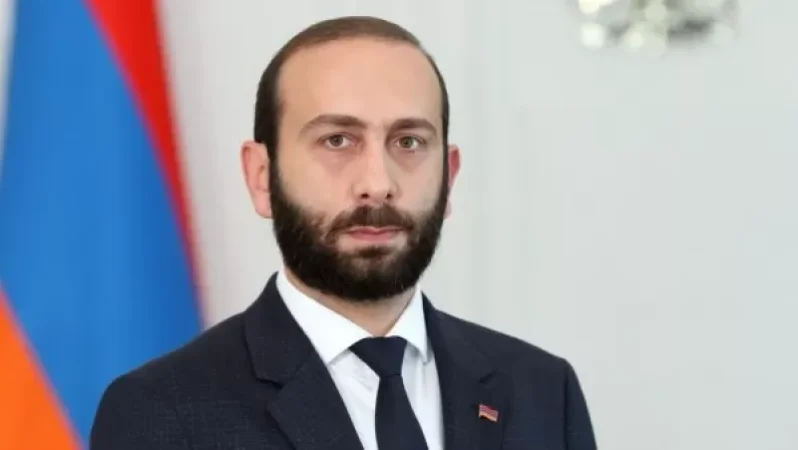
The situation in our region continues to remain unstable and tense, said Armenia's Foreign Minister Ararat Mirzoyan in an interview with Indian media outlet 'VION'. He noted that the repercussions of the war launched by Azerbaijan against Nagorno-Karabakh in 2020 are still affecting Armenia and the entire region.
“Although large-scale military operations were halted after the ceasefire established by the trilateral statement of the leaders of Armenia, Russia, and Azerbaijan on November 9, 2020, many issues remain unresolved. By openly violating the provisions of the trilateral statement and international humanitarian law, and ignoring the clear calls of the international community, Azerbaijan refuses to release Armenian prisoners of war and other detained individuals. Another issue is the real danger of destruction, desecration, and distortion of Armenian cultural and religious heritage in areas under Azerbaijan’s control after the war. Azerbaijan is obstructing the dispatch of a UNESCO assessment mission to the conflict-affected areas, which would help protect Armenian heritage from complete destruction,” Mirzoyan stated.
He pointed out that official Baku continues its rhetoric of intolerance towards Armenians, and there is still psychological terror being carried out against the Armenians of Nagorno-Karabakh, exemplified by calls over loudspeakers for them to leave their homes, threatening that they would be forced to evacuate otherwise, or the termination of gas supplies in harsh weather conditions.
“Ceasefire violations around Nagorno-Karabakh are still occurring. The latest incident involved the intrusion of Azerbaijani armed forces into the village of Parukh in Nagorno-Karabakh on March 24. Nevertheless, we believe that the solution is peace, not war, and Armenia continues its efforts to establish peace and stability in the region. We have repeatedly stated that we are ready to start negotiations with Azerbaijan on a comprehensive peace agreement, which will also include the long-term resolution of the Nagorno-Karabakh conflict, including the protection of all rights of the people of Nagorno-Karabakh and its final status.
During the meeting of the leaders held in Brussels on May 22, an agreement was reached to begin work on delimiting the Armenian-Azerbaijani border and ensuring security, to complete negotiations on reopening transport infrastructure in the region, and to prepare for comprehensive peace negotiations. If Azerbaijan exhibits a constructive approach and refrains from creating obstacles during the process, as it has done many times in the past, I believe we can move forward,” stated the Armenian Foreign Minister.
Նմանատիպ հոդվածներ

Ավելին Politics բաժնից
ԿԸՀ-ն հայտարարություն է տարածել
Հույս ունենք՝ Հայաստան-Թուրքիա երկաթուղին հնարավորինս արագ կբացվի. Փաշինյան
Պապոյանը՝ ԵՄ երկրներ արտահանման մասին