Incidents of Excessive Force by Police Documented: Human Rights Defender on Today's Gatherings
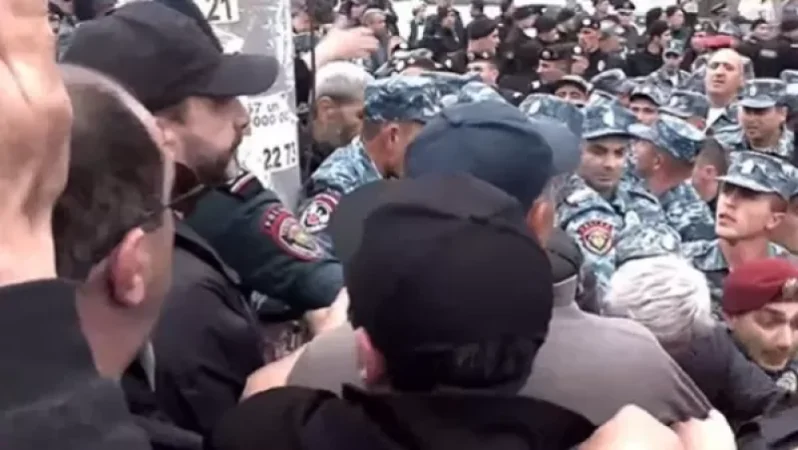
In relation to the police's actions regarding the guarantee of the rights to express opinion and peaceful assembly through a vehicle procession, today the Office of the Human Rights Defender noted incidents of excessive force used by the police during the detention of individuals. The practice of clearly stating legal demands during detentions has remained problematic.
There was also a recorded incident where a police officer used insulting and degrading language towards a participant of the vehicle procession. The Human Rights Defender reiterates that according to the Police Disciplinary Code, police officers are required to exhibit restraint and to treat citizens in a civilized, proper, and respectful manner.
As a result of alerts received by the Defender's rapid response groups and hotlines today and last week, several cases were documented where police officers took the vehicles of participants in the vehicle procession to a secure area and failed to return them. Specifically, regarding around six vehicles, they have not been returned for several days, and the owners have not been provided with valid justifications for their detention in the secure area.
The Defender notes that the transportation of vehicles to a secure area and the failure to return them to their legal owners cannot be considered lawful, especially when there is no initiated criminal case or any appropriate procedural act regarding the seizure of vehicles. Furthermore, the verbal justifications provided by police officers that the vehicles were taken to a secure area based on suspicion of a crime without initiating any criminal proceedings are neither valid nor lawful. Such actions are a clear disproportionate interference with an individual's property rights, and these vehicles should be returned immediately to their lawful owners.
In this regard, the Defender will also send a corresponding letter to the relevant state bodies, demanding clarifications and cessation of excessive interference with individuals' property rights.
Today, an incident was recorded at the Shengavit Police Department where the entry of a lawyer was prohibited, which was resolved around 20 minutes later thanks to the intervention of the Defender's staff. In the same police department, there was a case reported by the rapid response groups where an individual was detained around 9:30 am, yet upon reviewing the 'Record Book of Persons Brought to Police Units', it was found that the time of detention was recorded as 10:00 am.
Moreover, the time of release was noted as 1:00 pm, while at around 1:40 pm, the individual was still in the Shengavit Police Department. It was explained that the individual was being transferred to another police department due to preparations being made in relation to another incident.
It was also noted that police officers attempted to unlawfully keep the lawyer of that individual in custody, citing the lawyer's recording of a video as a reason. As a result of the intervention of the Defender's rapid response groups, the lawyer was released from the department.
In the same department, it was recorded that the details of four individuals who were brought to the police department were not registered by police officers in the record book. The Defender once again warns that it is unacceptable to unlawfully keep a person beyond the established time frame for administrative detention, especially in an attempt to conceal the actual circumstances by recording inaccurate times in the registry.
Obstructing a lawyer's entry to the police department for the purpose of consulting their client is also unacceptable, and especially the attempt to limit the lawyer's exit from the police station under any pretext is illegal and has no bearing on legality.
Regarding this incident, the Defender will address the competent authorities with a demand to hold responsible individuals accountable and will follow up on the investigation process.
Concerning the conduct of gatherings, the European Court of Human Rights has clearly stated that during peaceful gatherings, non-violent actions, such as temporary roadblocks, must be afforded protection under the right to freedom of assembly guaranteed by Article 11 of the Convention.
The Court emphasized that any gathering in a public space may cause certain inconveniences to the daily lives of others, including disruption of traffic, and that in the absence of violent actions by participants in a gathering, it is crucial for state bodies to show a degree of tolerance towards peaceful assemblies to ensure that the right to freedom of assembly is not deprived of any content.
Simultaneously, the Court has developed an approach over the years asserting that intentionally creating such serious obstacles that significantly surpass the level of disruptions typically caused by the normal exercise of the right to peaceful assembly may be regarded as a 'reprehensible act', for which sanctions or penalties may be warranted.
At the same time, the Court has reaffirmed in various cases that the freedom to participate in peaceful gatherings is so vital that an individual should not be subjected to any penalty for participating in a lawful assembly, provided the individual does not engage in illegal actions. The Court has also emphasized the importance of organizers and participants of gatherings adhering to the demands of legality and respecting the rules of the democratic game in which they too play a part.
Thus, appropriate and necessary measures must be taken by the police to facilitate the peaceful exercise of assembly rights through vehicle processions, including directing the procession and warning about possible traffic disruptions, ensuring both the smooth conduct of the procession and minimizing any inconvenience to others, and ensuring the situation does not lead to prolonged and widespread roadblocks.
Participants in the gathering expressing their opinions through a vehicle procession are also obliged to comply with the legal demands of the police, which among other things may aim to ensure normal traffic flow. The police are also required to provide adequate time for participants in the gathering to fulfill their legal obligations.
Նմանատիպ հոդվածներ

Husband Jumped Into River to Save Arminé, Followed by Rescue Officials: Director

Disinformation: RA Ministry of Defense on Azerbaijan's Ministry of Defense Statement

David Tonoyan: Onik Gasparyan Stated It Was Necessary to Stop the War, and It Was Coordinated with Me

Eurovision Organizers Accused of Altering Voting Results
Ավելին Society բաժնից

Օրենքով գող կկալանավորվի. հայտարարվել է հետախուզում
Երևանից դեպի Սևան ուղղությամբ մի հատվածը ժամանակավորապես կփակվի

Գևորգ Պապոյանը ներկայացրել է էլեկտրական մեքենաների քվոտայի մնացորդները