Moscow Exchange Plans to Trade New Currencies, Including Armenian Dram: RBC
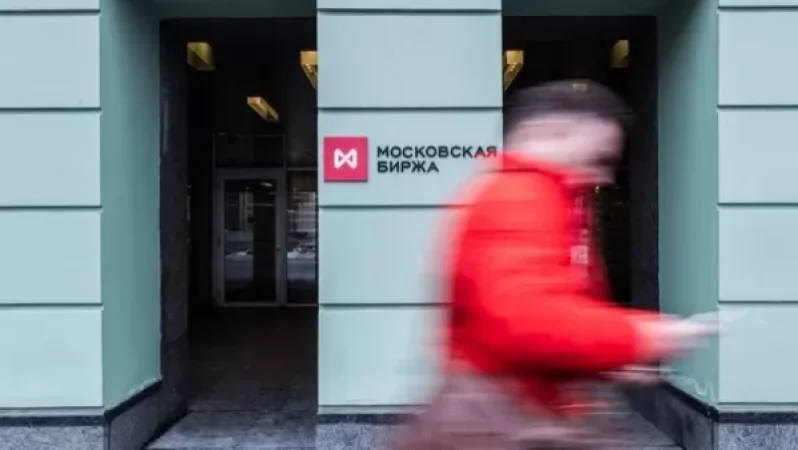
The Moscow Exchange may start trading in new currencies, including the Arab dirham, sources have informed RBC. The discussion is taking place amid western sanctions, declining trading volumes of the dollar, and currency control in Russia.
The Moscow Exchange plans to expand the list of currencies available on its platform in the near future. Among these, the dirham of the United Arab Emirates (UAE) is expected to be included, as reported by three sources from the financial market to RBC.
One of the interlocutors noted that the launch of trading in Armenian dram and Uzbek sums is also under discussion. RBC has sent an inquiry to the press service of the Moscow Exchange.
Currently, the exchange offers ruble conversions for 10 foreign currencies, including the US dollar, euro, Turkish lira, Hong Kong dollar, Belarusian ruble, Kazakh tenge, Swiss franc, British pound, Japanese yen, and Chinese yuan.
Expanding the list of available currencies is a logical step, as trading volumes on the exchange have declined, the source explained. The average daily trading volume of the dollar-ruble pair was 81.5 billion rubles in April 2022, compared to 242.9 billion rubles in April 2021, according to calculations by RBC based on data from the Moscow Exchange. The sharp decline is attributed to the ban on transactions with Russian securities by non-residents.
Previously, the trading volume also declined due to the commission for currency purchases on the exchange, which was initially set at 30%, then reduced to 12%, and was abolished in early April.
For comparison, in April, the average daily trading volume of the ruble-euro pair amounted to 49 billion rubles, while the yuan, which ranks third in this statistic, accounted for 13.7 billion rubles. A year ago, the trading volumes for these currencies were 33.7 billion rubles and 1 billion rubles, respectively.
While the dirham-ruble pair is traded in the foreign exchange market, it is not yet available on Russian exchanges. However, under sanctions, the UAE is becoming increasingly interested in Russian businesses. After the suspension of trading in shares of Russian issuers on western exchanges and their subsequent removal from listings, domestic companies are turning their attention to eastern trading platforms, primarily the Abu Dhabi and Hong Kong exchanges, RBC's sources noted.
Additionally, wealthy Russians are interested in starting businesses and purchasing property in the UAE, as reported by experts in emigration, brokers, and lawyers to the Financial Times. According to the publication, this state maintains a neutral position regarding the situation in Ukraine.
Նմանատիպ հոդվածներ




Ավելին Society բաժնից

Օրենքով գող կկալանավորվի. հայտարարվել է հետախուզում
Երևանից դեպի Սևան ուղղությամբ մի հատվածը ժամանակավորապես կփակվի

Գևորգ Պապոյանը ներկայացրել է էլեկտրական մեքենաների քվոտայի մնացորդները