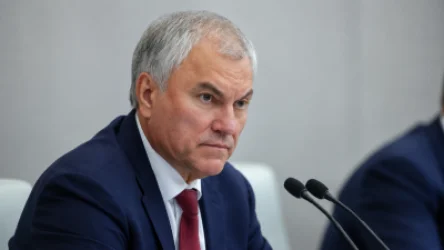
Three Pro-Pashinyan Decisions in One Week: Pashinyan's Pocket Constitutional Court

The newspaper "Hraparak" reports: "There is no doubt anymore about why after the revolution, Nikol Pashinyan fiercely fought against the Constitutional Court and Hrayr Tovmasyan. Pashinyan needed his pocket court, which he has now succeeded in establishing. Today, the Constitutional Court exclusively executes Pashinyan's orders, especially concerning applications with political components. Over the last week, the Court has made three pro-Pashinyan decisions.
Two days ago, it recognized the appointment of Gagik Jhangiryan, a member of the Supreme Judicial Council, as constitutional. In September 2021, Aram Vardevanyan, a member of the National Assembly from the "Armenia" faction, announced that the faction had submitted an application to the Constitutional Court challenging the constitutionality of Jhangiryan’s appointment as the acting president of the Supreme Judicial Council due to age restrictions. According to the MP's observation, under Article 80 of the Constitutional Law on the Judicial Code of the Republic of Armenia, the requirements imposed on judicial members also apply to non-judicial members of the Supreme Judicial Council, among which is the age limit. This means that a non-judicial member of the Supreme Judicial Council should also not exceed the age threshold of 65, but Jhangiryan was 66 years old at the time of election.
Moreover, the legality of Gagik Jhangiryan's election as a member of the Supreme Judicial Council was also raised by former judge Karine Petrosyan of the Yerevan City Court of General Jurisdiction. She appealed to the Supreme Judicial Council requesting to publish a declaration regarding the termination of Jhangiryan's powers under point 5 of Article 160 of the Constitutional Law on the Judicial Code, which was rejected.
There were rumors that the Constitutional Court might satisfy this application, and Jhangiryan was reportedly trying to gain Pashinyan's trust by fulfilling his demands and convincing him that keeping him was the right decision, etc. According to these sources, Pashinyan is dissatisfied with the decisions made by the judicial system and blames Jhangiryan for it. However, days before the Supreme Court's ruling, these sources reported that it seemed Jhangiryan had resolved the issues or perhaps simply a replacement for him had not been found. The Supreme Court, therefore, rejected the opposition's complaint, keeping Jhangiryan and allowing the judicial sector to "rule it." Remember that Nikol Pashinyan initiated an unlawful criminal prosecution against the former head of the Supreme Judicial Council, Ruben Vardazaryan, to appoint Jhangiryan. This case is stagnant, and he unlawfully appointed Jhangiryan as the acting president of the Supreme Judicial Council, keeping him in this capacity for two years, because legal grounds are needed to dismiss Vardazaryan.
The Supreme Court ruling on Jhangiryan's case will be published tomorrow, May 10, with the decision passed by a vote of 6 to 3 against. The dissenters reportedly include former President Hrayr Tovmasyan, Aravik Petrosyan, and the third dissenting vote is from Yervand Khundkaryan, according to our sources.
On April 30, the High Court passed another pro-Pashinyan decision, recognizing the controversial article criminalizing severe insult as constitutional. It should be noted that the constitutionality of this article was contested in the High Court by the former human rights defender Arman Tatoyan. He argued that the Supreme Court should recognize this article as unconstitutional and instruct the Government and the National Assembly to adopt appropriate methods to fight against the detrimental phenomena of insults and derogatory remarks, and to not use the Criminal Code for political purposes.
According to statistics from the Prosecutor General's Office, more than 800 criminal cases have been initiated in the eight months since the article on "severe insult" was criminalized by the government. It is noteworthy that almost all cases that have reached the court so far are for insulting one person, Prime Minister Nikol Pashinyan. And the article was specifically adopted for this purpose. It should be recalled that the law criminalizing “severe insult” was authored by a group of ruling party lawmakers. It was passed last summer exclusively with the votes of the "Civil Contract" party, while the opposition boycotted the voting. According to this amendment, now anyone can be sentenced to hefty fines or even three months of imprisonment for insulting representatives of the government and public figures. Numerous reputable international organizations, including the Parliamentary Assembly of the Council of Europe, have called on Armenia to decriminalize this law, while the human rights advocacy organization Freedom House has noted that this represents a clear regression in freedom of expression.
Just one day before the aforementioned decision, the High Court declared the election of the Speaker of the National Assembly constitutional, which had been challenged by opposition lawmakers. The opposition claimed in their application submitted seven months ago that their candidates for Speaker, Mkhitar Zakaryan and Arthur Sargsyan, had been unlawfully detained, preventing them from participating in parliament sessions and presenting their program, thus violating their constitutional rights. As a result, the election of Alen Simonian is illegal. On May 2, the Supreme Court issued a ruling regarding Alen Simonian, which, according to our information, was again adopted by a 3 to 6 ratio. Yervand Khundkaryan also wrote a special opinion, stating his disagreement with the decision made by the High Court and presenting his objections. He also noted that he had been specifically appointed as the rapporteur for this decision and had raised questions with the Commission, the National Assembly, and received clarifications on certain issues that he believed were of significant importance for the decisions made in this case. However, as Khundkaryan states in his special opinion, they were not taken into account.
The justification provided by the Supreme Court judge is based on the claim that Mkhitar Zakaryan and Arthur Sargsyan, being MPs, were unlawfully deprived of their freedom, and there was no consent from the National Assembly for their imprisonment, which is a legal requirement. Therefore, the process cannot be considered constitutional. It should also be recalled that at one time, Yervand Khundkaryan was transferred from the position of president of the Supreme Court to the Constitutional Court with the promise of being appointed as president of the Constitutional Court, but as is often the case, he was misled. It seems that this too has played a role in Khundkaryan's more independent stance in his opinion.
Նմանատիպ հոդվածներ
Ավելին Politics բաժնից
ԲՀԿ-ից արձագանքել են Սամվել Կարապետյանի հայտարարությանը
Վատ լուր՝ Ռուսաստանի համար․ ԱՄՆ-ի նոր առաջարկով Ուկրաինան շահեց
Արտաքսել լույսի արագությամբ․ ԱՄՆ-ի նոր որոշումը