Azerbaijan Defaces Hadrut Church, Removes Cross and Erases Armenian Inscriptions
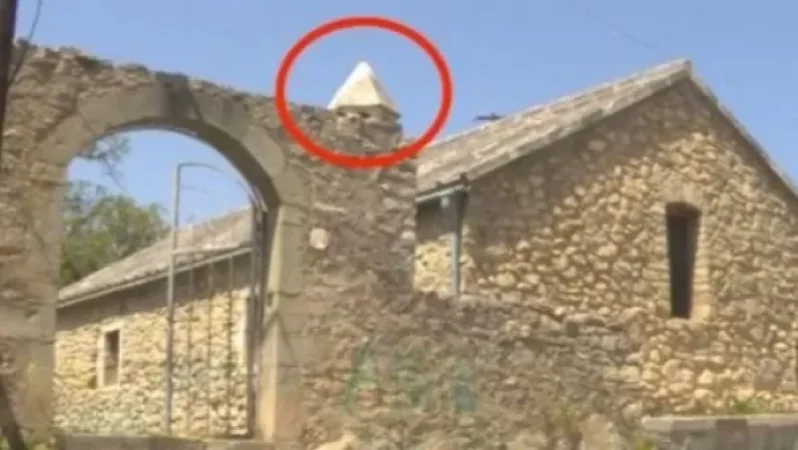
On April 27, 2020, Azerbaijani state-affiliated news agencies reported on the celebration of Easter in Hadrut, releasing new photographs of the Holy Resurrection Church in Hadrut. This was reported by war.karabakhrecords.info.
The examination of the photographs clearly shows that the cross has been removed from the church. This is a result of a planned policy by Azerbaijan, as evidenced by the statements of high-ranking officials in that country.
Months ago, Azerbaijan's Culture Minister, Anar Karimov, announced the establishment of a "working group" aimed at erasing Armenian inscriptions and traces from looted monuments in Artsakh.
Earlier, Azerbaijan's President Ilham Aliyev urged the removal of Armenian inscriptions during a visit to the Saint Mother of God Church in Hadrut, not hiding the essence of Azerbaijan's adopted policy against Armenian cultural heritage: destruction, alteration, and appropriation.
The Holy Resurrection Church was built in 1621 and was renovated in 1819, at which time the church's dome was installed. During the years, it has undergone renovations, the last of which occurred in 1999 with financial support from M. Baghdasaryan. Before the war, the Holy Resurrection was an active church and remained undamaged during the conflict. However, its defacement has been systematically carried out after the end of the war.
Since the end of the war, cultural vandalism has targeted all Armenian cultural monuments in the occupied territories of Artsakh, with reports indicating that Azerbaijanis have also removed the cross from the White Cross Church in Hadrut, damaged the dome of the Saint Ghazanchetsots Cathedral, defaced the Talish Church, and nearly destroyed the Green Mosque in Shushi as well as the Mother of God Churches in Mekhakavan.
Նմանատիպ հոդվածներ


Ավելին Society բաժնից
Ռուսաստանի սանկցիաները շարունակվում են, այլընտրանք չկա․ «Հրապարակ»

Օրենքով գող կկալանավորվի. հայտարարվել է հետախուզում
Երևանից դեպի Սևան ուղղությամբ մի հատվածը ժամանակավորապես կփակվի