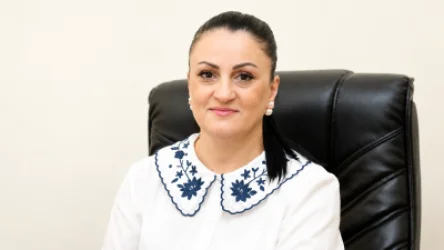
What Will Happen to the Issue of Artsakh?

The newspaper "Joghavourd" reports that after Prime Minister Nikol Pashinyan introduced the discourse on recognizing Azerbaijan's territorial integrity and lowering the bar for the status of Artsakh, not only the political field in Armenia but almost the entire society is puzzled about the future fate of Artsakh.
Unlike the ruling "Civil Contract" faction in the National Assembly of the Republic of Armenia, the deputies, one after another, thanked the Prime Minister for being "honest," while the Artsakh National Assembly adopted a statement yesterday excluding Artsakh from Azerbaijan.
Not only Artsakh deputies but Armenian political figures, political scientists, and people in general raise the question: if Armenia recognizes Azerbaijan's territorial integrity, what will happen to the Russian peacekeeping forces carrying out a mandate in Artsakh?
"If you want to change the foreign policy vector, just say it," addressed Artsakh deputy David Ishkhanian to the Prime Minister of Armenia.
Pashinyan's statement is perceived by many in Artsakh (and not only) as a hint at a departure from Russia, and if that is the case, then it is necessary to understand what Russia's response will be. It is a fact that Russia does not simply wash its hands of any territory where it has representation, regardless of anyone's whims or statements. For instance, in Transnistria, where the Russian-Moldovan conflict has long been frozen, more than 3,000 Russian peacekeepers continue their mission.
After Pashinyan's ambiguous statements and the declaration adopted by the Artsakh National Assembly, it is logical that official Moscow will demand clarifications regarding the situation, whether publicly or behind closed doors—that is a secondary question.
For more details, refer to today's issue of the newspaper.
Նմանատիպ հոդվածներ
Armenia Makes Payments for Russian Gas in Rubles, Says Kerobyan to RBK
Nagorno-Karabakh, Armenian-Turkish Relations: Excerpts from the Joint Statement by Pashinyan and Putin
How Many Azerbaijanis Lived in Nagorno-Karabakh? Artsakh Prime Minister Responds to Aliyev's False Claims
Pashinyan and Aliyev Instruct Foreign Ministers to Start Preparatory Work for Peace Talks
Ավելին Politics բաժնից
Դատարանը վարույթ է ընդունել Ռոբերտ Քոչարյանի հայցն՝ ընդդեմ ԿԸՀ-ի․ ապացույցներ են պահանջում
ԱՄՆ-Իրան բարձր մակարդակի բանակցությունների առաջին փուլն է անցկացվել
Ի՞նչ երաշխիքներ կան, որ Ադրբեջանը դրա միջոցով չի վերահսկելու հայկական ինտերնետ տրաֆիկը. թուրքագետ