‘Baku’s brazen response could become a gift for us’: Gegham Nazaryan
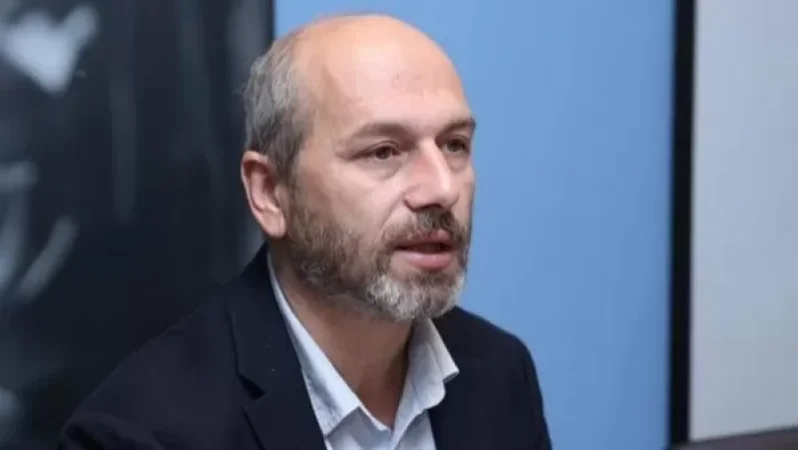
Member of the National Assembly from the ‘Hayastan’ faction Gegham Nazaryan’s statement: ‘Baku’s cynical and brazen response could become a gift for us.
Setting geopolitics aside, the mindset and characteristics of individual nations and peoples should also be considered. Those who know Azerbaijanis well were confident that Ilham Aliyev would not restrain himself and would not avoid following the orders coming from Ankara, and using the ongoing military actions in Ukraine, he would try to improve his positions in Artsakh while simultaneously blackmailing Russia by making new demands.
Due to this characteristic trait, the Turks and Azerbaijanis have suffered significantly, but there have also been times when they benefited. They suffered when the opposing side had a unified will and decisive actions; they benefited when the opposing side did nothing or relied solely on other forces, not on itself.
It was clear that Azerbaijan’s actions in Artsakh since March 8 were primarily aimed not at the Republic of Artsakh, but at the Russian Federation. Baku wants to kill two birds with one stone: to finally deprive Artsakh of its Armenian population and to simultaneously oust Russia from the South Caucasus. Of course, one must be naive not to realize that these actions are directed from Ankara, and from that center which today aims to weaken and suffocate the Russian state.
Everyone in Russia understood this, and they made a clear statement directed at both Baku and Ankara. From the Kremlin, messages were sent to the Azerbaijanis and Turks: we are well aware that your actions are primarily directed against Russia.
Turkey, in its own way, avoids conducting any actions against Russia, even trying to take on the role of a mediator while using Azerbaijan as a tool to strike Moscow from behind.
Moscow sees all this, and after the end of military actions in Ukraine, the Turks and Azerbaijanis will certainly have to provide explanations, and not only that. Once again, a question arises: what will we gain from this? Of course, we could benefit greatly if we have a government in Armenia that does not act from a position of fear, which understands and realizes what Armenia's real interest is, one that will not abandon Artsakh and its security guarantees and will not usher in a new era of peace with a country that does not hide that its goal is the destruction and elimination of Artsakh.
To better understand the situation, it is less the statements made by the Russian Ministry of Defense and the foreign ministry regarding the events in Artsakh that deserve study, but rather the official statement from the Azerbaijani side that followed. By forcing Azerbaijan to make such a statement, Turkey simply ignited its protégé. Azerbaijan burned itself.
Just the fact that Azerbaijan dared to respond in such a tone, even giving lessons to the Kremlin, will have severe consequences for official Baku, to say the least, regardless of the Artsakh issue and Armenian-Russian relations.
Furthermore, with this statement, Azerbaijan not only responded and countered, opposing itself to Russia but also came against the other co-chairs of the Minsk Group—the USA and France—calling for the term Nagorno-Karabakh to no longer be used, as it no longer exists.
It is difficult to say what calculations led Turkey and Azerbaijan to take this step, but to cynically and brazenly declare to the whole world that the goal is the destruction of Artsakh—the Nagorno-Karabakh, along with its indigenous Armenian population—at least was an adventure.
If we had a normal government, we should have seized Azerbaijan’s statement and moved forward while shaking it. From this very moment, we should thoroughly explain to a world captivated by Ukraine what Azerbaijan’s goal is, using the aforementioned statement by Azerbaijan.
To summarize once more, Azerbaijan, at Turkey’s direction, not only gave lessons and reprimanded Russia but also told the same Russia, the USA, and France that my goal was not and is not the resolution of the Artsakh issue but the annihilation of Artsakh and the Armenian people living there, as well as the destruction or alteration of all Armenian historical and architectural monuments. If we do not capitalize on all this, then…’
Նմանատիպ հոդվածներ
Any incursion into Armenian territory will be met with a response from our Armed Forces: Statement from Iran
Urgent: Azerbaijani Forces Withdraw from Parukh, According to Russian Defense Ministry
Situation in Artsakh: Information Headquarters Releases Statement
Defense Ministry Confirms Special Communication Exists Between Armenia and Azerbaijan Defense Ministries
Ավելին Politics բաժնից
Ալեն Սիմոնյանը հայտարարել է՝ որ կուսակցությունները ընդհանրապես մանդատ չունեն
Ռոբիկը եթե ուզում է, կարող է մանդատը վերցնել ու գալ ԱԺ․ Վահագն Ալեքսանյան

ԿԸՀ–ն հրապարակեց ընտրությունների վերջնական արդյունքները