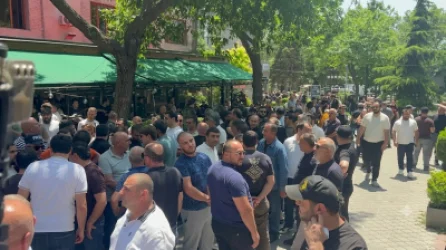
Bodies are Buried in Neighboring Communities: What is the Reason?
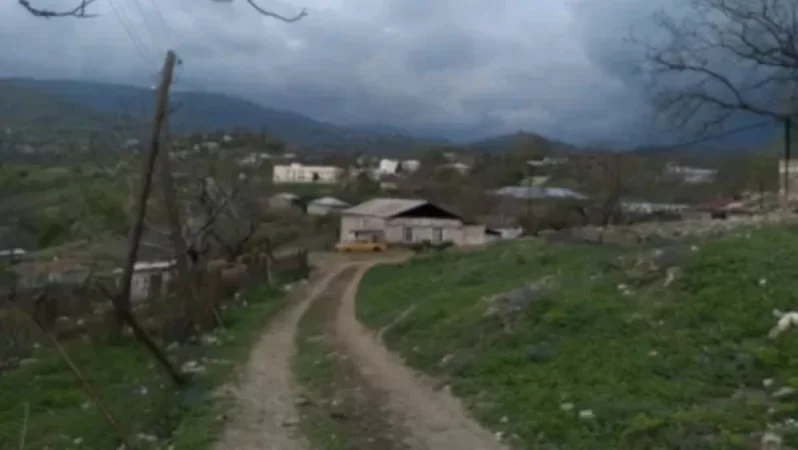
Rudik Badasyan is one of the residents of Taghavard whose house remains in the part of the village that is under enemy control. Now he can see his house from the other end of the village but has no opportunity to approach it.
“We can’t even go to the cemetery. Since November 2020, anyone who has died in the village has been buried in the neighboring village of Karmir Shukhay. It has been one year and four months since I have been able to visit my parents’ and brother’s graves,” Rudik Badasyan told Factinfo.
The village’s cemetery is visible from the house where the Badasyans are currently staying temporarily. “The enemy is positioned 200-300 meters away from this house. As soon as I step outside, I’m directly in their line of fire; they can do whatever they want,” Badasyan says.
The cemetery was immediately desecrated by Azerbaijani servicemen. Badasyan states that all gravestones of the 40 victims of the first Karabakh war were destroyed: “Five people from the 44-day war were buried in the village. When the village was split, they managed to transfer the bodies and relocate the boys to Yerablur. If they hadn’t done this, without a doubt, their graves would have been desecrated by the Azerbaijanis as well.”
Our interlocutor sadly notes that it is just 800 meters away, but there is no opportunity to reach the cemetery, while the Azerbaijanis were passing through three Armenian villages to reach Shushi from Jraqan: “Until very recently, an Azerbaijani convoy was heading to Shushi through Karmir Shukhay, Sarushen, and Shosh, while at that time we had no opportunity to visit the graves of our loved ones,” says Badasyan.
The genocidal and cultural destructive essence of Azerbaijan, which has occupied a significant part of Artsakh, has been witnessed by the residents of Taghavard. The Glory Museum opened in Taghavard in memory of the victims of the first Karabakh war was set on fire by Azerbaijanis on the very first day of their occupation of a part of the village.
“The village’s 12-year school, healthcare center, communications department, and the Glory Museum are all located in the part of the village occupied by the Azerbaijanis. They burned down the museum on the very first day; we saw them burning it…” says Badasyan.
Additionally, as a result of Azerbaijani aggression, around 600 residents of Taghavard have also remained on the enemy side. Some of the displaced residents have settled in the Armenian part of the village. Three families displaced from the Hadrut region have also been provided housing from the available residential fund.
The artesian water reservoir that supplies drinking water to the village is located in a neutral zone; without peacekeepers, it is impossible to approach the area in any case of emergency. As Badasyan mentions, even when operating agricultural machinery, the presence of peacekeepers is mandatory regardless of which part of the village it is in. Spring agricultural work has begun in Taghavard, but the scale and pace are considerably smaller. Nevertheless, those who have land are definitely trying to cultivate it, Badasyan assures.
Նմանատիպ հոդվածներ

‘If no solution is found, we will block the streets with egg crates’: what is happening in the egg market
Traffic Jam in Dilijani Turns into Several Kilometers as Citizens Attempt to Redirect Blocked Truck
ECHR Will Not Examine the Case of Karen Petrosyan, Who Was Injected with Psychoactive Drugs and Diesel by Azerbaijanis
Arman Tatoyan on the Killing of Armenian Soldier in Yeraskh
Ավելին Society բաժնից

Լայնածաված խափանումներ Facebook և Messnger հավելվածներում
Զովունիի ընկերությունից խոշոր հափշտակության գործի նոր զարգացումները. ՔԿ
Կիևան կամուրջը երկար ժամանակ փակ կլինի