What Steps Led to Russia Recognizing the Sovereignty of Donetsk and Luhansk
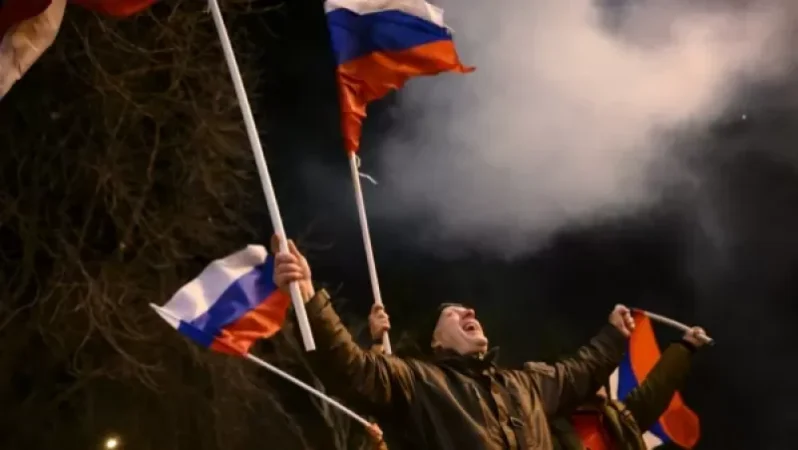
Russia has recognized the sovereignty of the Donetsk and Luhansk People's Republics. More than a month ago, when the project was being discussed within the walls of the State Duma, a development of this kind seemed unlikely, as it would undermine the negotiating process in the Minsk format. During this time, the Kremlin evidently became fully convinced that the process was nearly dead. However, the decree on recognition was simply not signed; the calls of the leaders of the self-proclaimed republics were followed by consultations with the Security Council, and then by an open lesson in history from Vladimir Putin. The president aimed to articulate fundamental issues that spanned not just decades, but centuries. This is reported by RIA Novosti.
Negotiations or Recognition
The Security Council went through an unusual format. First, the venue was the Catherine Hall of the Kremlin, where solemn receptions and ceremonies are held. Second, the openness allowed the public to listen to nearly all speakers. The topic was not disclosed, but it was clear that it would be about the unrecognized Luhansk and Donetsk republics at that moment.
Usually, the Security Council meetings are held behind closed doors, with participants preparing the president’s decisions on 'protecting the state's vital interests from internal and external threats.' Many believed that Putin would simply not address the situation in Donbas; there was no need to gather the heads of parliament and the Federation Council, security forces, and cabinet ministers for that.
Defense and Foreign Relations
Just before the meeting commenced, Denis Pushilin, the leader of the self-proclaimed Donetsk People's Republic, described the situation as critical and requested the Russian president to sign a treaty of friendship, which envisions cooperation in the defense sector. Meanwhile, Leonid Pasechnik, the leader of the self-proclaimed Luhansk People's Republic, requested recognition of their independence.
Putin began with this request.
Moreover, six days prior, the State Duma had already voted in favor of the corresponding draft resolution. 'It is evident that neither Ukraine nor the West needs Donbas today,' said Dmitry Kozak, deputy head of the presidential administration. He was one of the first to arrive and was fully convinced that 'through the usual course of events,' Ukraine would never fulfill the Minsk agreements.
Kozak works in the Trilateral Contact Group to regulate the situation and does not hide the fact that the negotiation process has been at 'zero' for six years. Written in 'black,' they say 'white.'
Foreign Minister Sergey Lavrov also spoke about diplomatic options for resolving the issue. However, it turned out that there were no options—'the West will not change its position, this is clear to everyone, and regarding giving the West two or three days to reconsider, this is a matter of taste.' The events occurring in eastern Ukraine are genocide.
Նմանատիպ հոդվածներ
Ավելին Society բաժնից
Ալեն Ղևոնդյանին արգելվել է հրապարակումներ անել և հավաքների մասնակցել
Բացառիկ պատմական արժեք ներկայացնող նվիրատվություն՝ Մատենադարանին
Մարգարայի անցակետում ուշագրավ զարգացում է արձանագրվել