Human Rights Defender Presents Issues in Syunik Province to UNICEF Representatives
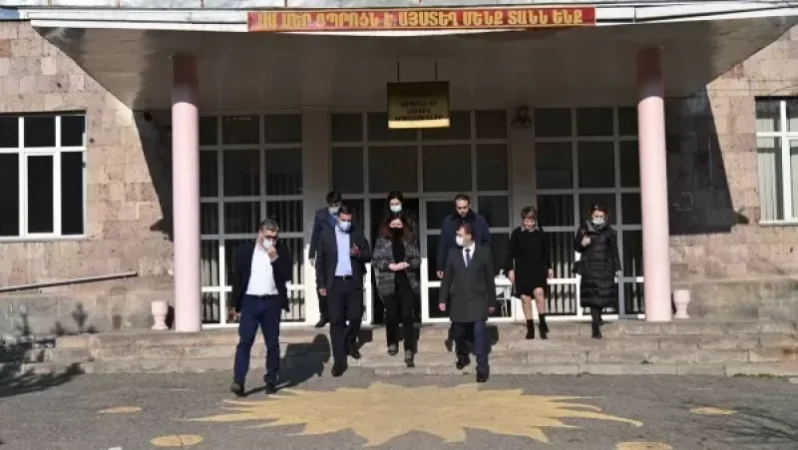
Arman Tatoyan, the Human Rights Defender of Armenia, invited Christine Waigand, a representative of UNICEF Armenia, to visit Syunik Province to assess the state of children's rights and discuss support programs. This was reported by the office of the Human Rights Defender of Armenia.
In Syunik, issues concerning children’s rights are particularly pressing. The problem lies in the fact that the internationally guaranteed best interests of the child are grossly violated by the criminal actions of Azerbaijani armed forces. For instance, due to the obstruction of the Kapan-Jakaten road, the right to education for children has been illegally restricted, depriving them of the opportunity for free movement.
Additionally, the presence of Azerbaijani armed forces in close proximity to villages and roads has compromised children's safety. For example, these forces are located just a few hundred meters from the school in Nerkhin Hand, and in some cases, residential houses and educational institutions are under their observation.
With the support of Gevorg Parsyan, the head of the Kapan community, visits were made together with Christine Waigand to the Kapan Children's Community Center, Kapan Special Educational Complex No. 3, and the Child and Family Support Center of Syunik Province. A separate meeting was held with social workers from the Kapan community.
At the Kapan Children's Center, participants including Deputy Mayor Gor Tadevossian, teachers, and social workers discussed the healthy development and living conditions of children under 18 years of age who have disabilities, are deprived of parental care, and are in difficult life situations. Social workers and representatives of the Kapan Children's Center noted that after the presence of Azerbaijani armed forces, there have been numerous reports concerning children's safety.
Even after the road was blocked by Azerbaijani soldiers, when reports are received, they are unable to visit the children, and parents are also faced with significant difficulties because great complications have arisen concerning the use of the road.
In addition, during discussions, issues in the area of inclusive education were noted. One of the main concerns is that there is almost no government awareness on the matter, and teachers lack sufficient professional training, resulting in not only a lack of understanding but even conflicts arising between parents of children attending schools providing inclusive education and teachers.
A tour was made at Kapan Special Educational Complex No. 3 to familiarize with the conditions provided for the education and upbringing of children. The director of the complex presented the courses designed for children and the organization of activities.
Subsequently, a visit was made to the “Child and Family Support Center of Syunik Province.” Here, together with UNICEF representative Christine Waigand, they familiarized themselves with the conditions concerning children aged 2-18 who are in difficult situations and the provision of daytime services to their families. Remarkably, UNICEF partners have already implemented important programs here.
During all visits in Armenia, institutions presented their needs to the UNICEF representative. Aside from Kapan, during the visit, Arman Tatoyan presented to the UN partner facts of violations of children’s rights due to illegal deployments of Azerbaijani armed forces after the war.
For example, due to the imposition of allegedly Azerbaijani customs and border control without a legal basis on the Goris-Kapan road and the blocking of the road by Azerbaijani armed forces, children are unable to attend additional classes with their teachers in Goris city.
Moreover, if they go, there are issues concerning the return of children from Goris due to inconvenient timings (for instance, a child finishing a class at 1 PM or 2 PM has to wait several hours for transportation).
Ensuring children's safety and vital rights is of primary importance. The work of the regional subdivision of the Human Rights Defender’s office in Syunik Province also played a significant role during the visit, with their representatives participating in the visits and discussions.
Additional programs aimed at protecting children’s rights within the framework of UNICEF programs were discussed. Significant measures have already been taken by UNICEF and professional staff in Syunik Province (Kapan, Goris, and other communities).
Նմանատիպ հոդվածներ
Ավելին Politics բաժնից

Թրամփը Իրանի նկատմամբ «եռակի հաղթանակ» է տարել. ԱՄՆ նախարար
Իրանը ձեռնարկել է աննախադեպ անվտանգության քայլեր
ՏԵՍԱՆՅՈՒԹ. Ղարաբաղն ու Ուկրաինան փոխել են պատերազմի կանոնները․ Հունաստանի ՊՆ