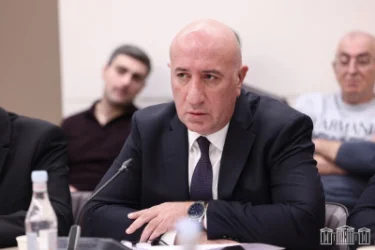
Several Villages in Gegharkunik Region Deprived of Water, Azerbaijanis Stationed Near Watersheds and Springs: Ombudsman

The Human Rights Defender of Armenia, Arman Tatoyan, presented the details of a fact-finding mission which revealed that several villages in the Gegharkunik region have been deprived of water, with people suffering from shortages due to Azerbaijani criminal incursions.
“Today, we visited the villages of Geghamabak, Jaghatsadzor, Norabak, Kut, and Sotk in the Gegharkunik region of Armenia. The issue of drinking water continues to be a serious problem. Azerbaijani armed personnel have penetrated into the territory of the Republic of Armenia and have stationed themselves near watersheds and natural springs, with some cases resulting in open illegal Azerbaijani control over these sources. For example, in Norabak, it has been documented that of the six natural springs that provide water to the village, five are now under Azerbaijani control. Both the watershed that supplies the village and approximately 2.5 km of water pipeline are also under their control.
Residents reported that government subsidy programs had aimed to resolve the water issue in Norabak (Sotk and several other villages) by extending water pipelines from the watershed before the war; however, these projects could not reach completion due to Azerbaijani incursions and criminal acts.
People in Norabak lack running water in their homes, with water accessible at only four locations in the village, and those supplies are inadequate. As a result, residents must transport water nearly every day in buckets, by foot, vehicle, or with other means for drinking and household needs. The watershed that supplies Jaghatsadzor, Geghamabak, Ayrk, Nerqin Shorja, and Verin Shorja is also under Azerbaijani control. For instance, in Geghamabak, residents are forced to bring water from neighboring villages over 1.5 km away, facing significant difficulties, using buckets, on foot, or using vehicles.
Prior to the Azerbaijani incursions, Jaghatsadzor had access to water; however, since May 2021, residents have faced serious difficulties. Sotk is also experiencing significant water issues as the watershed, from which water should be delivered via piping, is under the control of Azerbaijani armed personnel. Following the incursions, 100 hectares of pastureland in Jaghatsadzor have come under observation, making it impossible for residents to utilize these areas. Nearly all villages reported that they had to sell some or all of their livestock because they cannot gather the necessary winter fodder; while they managed to resolve the problem somewhat last year, challenges are expected to increase this year.
Moreover, as spring approaches, residents are concerned about security issues regarding cultivating their land and grazing livestock in pastures. For example, residents in Norabak believe they have lost access to 1300 hectares of pasture and arable land, with an additional 200 hectares rendered unusable. These lands are adjacent to Azerbaijani deployments and cannot be utilized due to surveillance and gunfire.
Consequently, the inhabitants of the village have been deprived of their legal ownership rights over these lands. Furthermore, Azerbaijani armed personnel are monitoring the villages (especially Kut, Norabak, Sotk, and several others). For instance, during the Human Rights Defender's visit, it was reported that gunfire from Azerbaijani positions can be heard nearly every day in these villages. Azerbaijani armed personnel have also used long-range lights to intimidate the villages.
This is a serious concern for residents as it pertains to their security, life, and other fundamental rights. Gunfire from Azerbaijani positions was recorded in Kut, Sotk, and Norabak, notably when residents were grazing their livestock. Additionally, residents have reported hearing Azerbaijani soldiers, reportedly inebriated, cursing and arguing with each other, while discharging firearms.
These facts indicate that security remains a priority, deepening social issues that have turned life into a struggle for residents. Individual matters were also raised during meetings, which will be addressed under the Defender's jurisdiction.
During these visits, the issues reported to the Human Rights Defender were studied on-site, along with data received from the regional office of Gegharkunik. The real solution for eliminating violations is the removal of Azerbaijani armed personnel from near our villages and roads to guarantee the rights of the civilian population. This is a vital issue.
Moreover, this relates to all their deployments and not just to those from the incursions of May. To ensure the security of the citizens of the Republic of Armenia, the Human Rights Defender has proposed creating a demilitarized (security) zone around the borders of Armenia until the delimitation and demarcation with Azerbaijan are completed. This concept has already been included in the resolution by the Parliamentary Assembly of the Council of Europe from September 27, 2021. This does not mean that we will immediately resolve the question of what or whose territory it is. That will be determined later, at least parallel to the ongoing delimitation and demarcation processes, but everything must be done to restore normal life and security for the people.
These approaches stem directly from the demands of the OSCE, the UN, and other international organizations and practices. These findings will also be included in the Human Rights Defender's reports and will be forwarded to international bodies and relevant structures in Armenia,” wrote Tatoyan.
Նմանատիպ հոդվածներ
Ավելին Society բաժնից
Արցախցի երեխայի հեղինակած նկարը, որը հեռացվել էր դպրոցից, վաճառվել է աճուրդով
«Առինջ մոլի» աշխատանքը խաթարված է. աշխատակիցները բողոքի ակցիա են անում

Նոր կարգ՝ նորակառույց բնակարանների գնման գործընթացում