No Red Lines Were Violated After the April War, Says Serzh Sargsyan
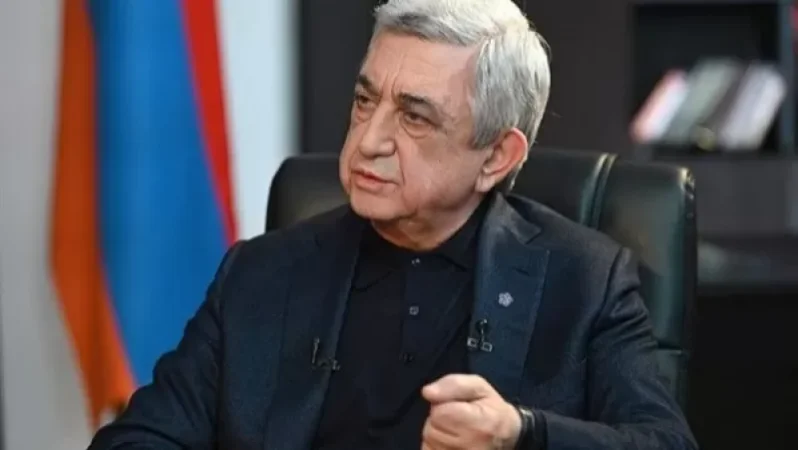
The third President of Armenia, Serzh Sargsyan, has given an exclusive interview regarding the negotiation process of the Nagorno-Karabakh issue, which we present below:
- Mr. President, I would like to ask you to respond to several arguments raised by the Prime Minister during his recent press conferences on Facebook about the radical break in the Nagorno-Karabakh negotiation process in 2016. He has called it a disaster, noting that following the April War, Nagorno-Karabakh lost all practical and theoretical possibilities of being outside Azerbaijan. I want to unequivocally clarify with you: was there any pressure or concessions imposed on the Armenian side regarding the interim or final status of Nagorno-Karabakh during the negotiations after the war’s cessation or in the subsequent bilateral negotiations with the participation of the co-chairs? The Prime Minister asserts that yes, in 2016, it was indeed the Armenian side that retreated regarding the status of Nagorno-Karabakh.
- Of course, there has been absolutely no pressure, no concession, and no written or verbal agreement. I have spoken about this. When I talked about the April War and mentioned that there was an inquiry commission, I clearly stated that an oral agreement was reached solely on the cessation of hostilities, and they insisted that perhaps there was some written document, some concession, etc.
- They proposed a new ceasefire agreement, which you opposed?
- Absolutely. We did not proceed to any new document or verbal agreement, and that was confirmed by the co-chairs when they publicly announced that there was no new document and that the trilateral agreement of 1994 remained in force.
- The price of ceasing the war was not renouncing any of the principles or elements?
- Absolutely not. Regarding the 2016 document, if you noticed, he spoke about some letters in those contexts and did not mention what proposals were made by the co-chairs in 2016, when those proposals occurred, etc. Yes, following the April War in 2016, we received proposals from the co-chairs. And those proposals did not violate in any way the red lines that we have always had. Those red lines, let me remind you again, pertained to the issue of the self-determination of Nagorno-Karabakh, secondly, the presence of a land border between Armenia and Nagorno-Karabakh, thirdly, the recognition of the authorities of Nagorno-Karabakh by the international community as legitimate elected individuals, and various other aspects, sometimes referred to as the interim status of Nagorno-Karabakh, at other times as temporary status, and at other times as recognized status. And the fourth, which stems from or synthesizes these three points, was security guarantees, because we believe that the most crucial guarantee of security is independence, the ability to legally influence all processes, be they security-related, etc. There has been no reservation regarding any of these four elements.
- The necessity to implement permanent monitoring mechanisms was also added.
- No, it was phrased a bit differently there because the necessity for permanent monitoring would no longer exist, as peacekeeping forces would need to come in and stand between the two conflicting parties.
- I meant, Mr. President, that until a solution is reached, such an obligation is placed on the parties for monitoring to be conducted.
- That was the case in the 2016 declarations in Vienna and Saint Petersburg, which were, of course, very advantageous for the Armenian side, but they were not options for solving the issue. The option was specific in that it had to exclude conflicts.
- Until the solution is reached?
- Until the solution is reached. Regarding the UN Security Council, which is astonishingly referred to as a disaster, I must say that the UN Security Council resolutions have always been perceived. If anyone wants to discuss this topic, they should familiarize themselves in detail with the Kazan document, and they will see that this document, this declaration, if we had adopted it, would necessarily have to be approved by the UN Security Council because there are circumstances reserved for the UN, and the OSCE, let alone the Minsk Group, could not make such decisions.
- So, has the issue of the UN Security Council resolution been discussed even before the April War?
- The idea existed in all documents. That idea was present. None of the documents stated that this must necessarily be sent to the UN Security Council. Why am I saying this? Because in 2016 we were offered a package composed of three different documents. I have spoken about this too. One was supposed to be a declaration between Armenia and Azerbaijan, the second was an announcement from the foreign ministers of the co-chair countries, which included certain elements unacceptable to Azerbaijan, and the President of Azerbaijan did not want those to be in the announcement, and the third was a draft resolution from the UN Security Council, which complemented these two documents, intertwined those two documents and also added certain circumstances of its own.
Նմանատիպ հոդվածներ
Vahagn Khachaturyan Nominated as Candidate for President of Armenia
Armenian Side Has Not Taken Any Unilateral Commitment Regarding the Fate of the Missing, Says Foreign Ministry Spokesperson
VIDEO: Exclusive Interview with Serzh Sargsyan on the Negotiation Process of the Nagorno-Karabakh Issue
NATO 'Deceived' Russia by Promising Not to Expand Eastward, Says Putin
Ավելին Politics բաժնից
Իրենք ոչ ընտրվել են, ոչ էլ՝ հաղթել. Իշխան Սաղաթելյան
Ավելի լավ կլինի, եթե ընդդիմությունը չգա խորհրդարան. Ռուբինյան
Մոսկվան պահանջում է Եվրոպայից հեռացնել ամերիկյան միջուկային զինանոցը