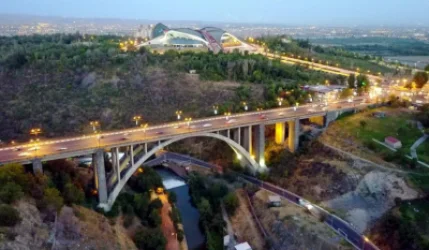
Turkey and Azerbaijan Work with Armenians Using the 'Good Cop/Bad Cop' Scheme: Abovyan
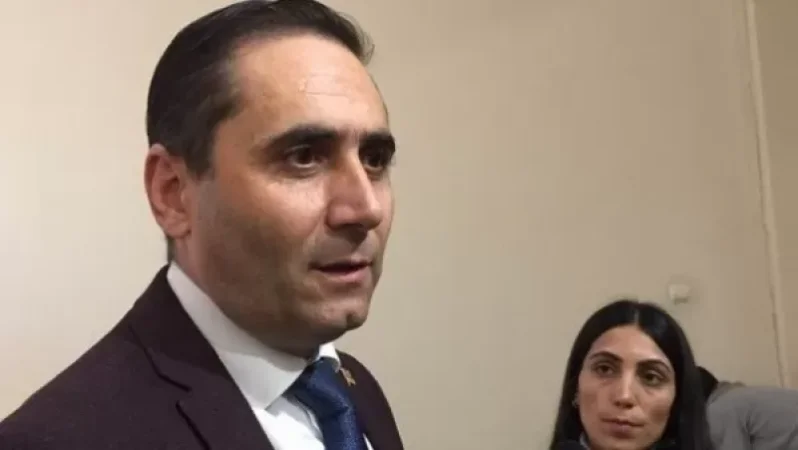
Former MP Arman Abovyan wrote: “The situation created on the geopolitical route of Armenia allows us to state that all forecasts regarding the gradual flattening of the Armenian state and ethnic element in the region are entering a third phase—practical implementation.
Let’s remember: The first phase was bringing libertarian, globalist forces to power in Armenia. The second phase was the process of the actual occupation of Armenian and Artsakh territories (moreover, the episode of handing over Artsakh to the Turkish-Azerbaijani tandem partially succeeded due to the decisive wedge driven into the regional interests of Russia and Iran within the context of the pan-Turkic program for the complete destruction of Artsakh). However, the time for the third phase is now arriving, which, according to the authors, should start the economic and political seizure of Armenia by the pan-Turkic tandem.
During the third phase, the process continues on both sides, specifically: Turkey and Azerbaijan are working with Armenians using the 'good cop/bad cop' scheme. In this scenario, Turkey plays the role of the 'good cop,' meaning it does not exert overt pressure on the Armenians. Nevertheless, Turkey will speak more about economic benefits, peace, and other false propaganda clichés, which incidentally, the Pashinyan government also loves to employ.
Azerbaijan, in this case, plays the role of the 'bad cop,' whose role is limited to exerting forceful pressure and constantly military provocations to blackmail the Armenian society. It should be noted separately that, in my opinion, the current short-sighted and incompetent authorities of Armenia are playing the 'game' proposed by the Turkish-Azerbaijani tandem because the rhetoric and arguments of both the Turkish and Armenian authorities are identical.
On the one hand, the Armenian authorities are verbatim repeating the Turkish arguments regarding ‘peace and prosperity’ in the case of establishing diplomatic and economic relations with Turkey (this is important). On the other hand, the ‘warriors’ of the Pashinyan informational field will convince us that establishing relations with the Turks will help Azerbaijan contain the rise of the situation.
From my point of view, both of these postulates are false and groundless, since the ultimate goals of Turkey during the third phase of the gradual destruction of the Armenian political and ethnic element in the region do not correspond to the declarative statements made by the Armenian side.
Of course, Russia, Europe, the USA, Iran, China, and now India also have their roles in this complex geopolitical game, however... However, we should not be deceived, if the Armenian side plays by Turkish rules (and this is ultimately what is happening), then the situation for Armenia, Artsakh, and generally for Armenians will only worsen.”
Նմանատիպ հոդվածներ

Ավելին Society բաժնից

Ինչ է կատարվում Facebook-ի հետ. նոր մանրամասներ

Լայնածաված խափանումներ Facebook և Messnger հավելվածներում
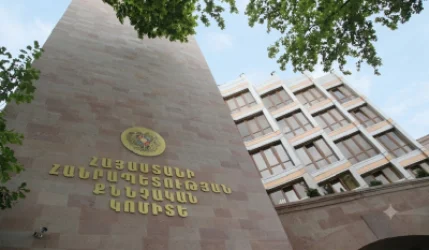
Զովունիի ընկերությունից խոշոր հափշտակության գործի նոր զարգացումները. ՔԿ