This Dialogue Took Place Between Robert Kocharian and Levon Ter-Petrosyan in 1993: Arthur Danielyan

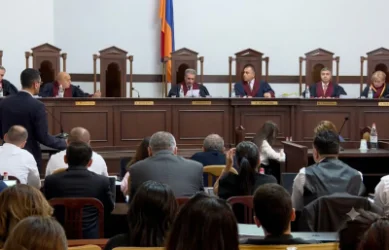
Arthur Danielyan, the founder of the "Adequate" movement, writes: "- Levon Akopovich, what does 'signing' mean? - 'Humiliation,' Robert. After the war, I will teach you grammar for a year. This dialogue took place between Robert Kocharian and Levon Ter-Petrosyan on June 14, 1993, when the latter visited Stepanakert for the first time to persuade the local authorities that Kelbajar must be surrendered. Two days earlier, the well-known meeting in Goris occurred with the same agenda.
It was 2018, right after the coup, Kocharian gave several interviews and came to Armenia for interrogation and arrest. As soon as he was detained, his autobiography was published. Despite having many questions about the decisions made by Kocharian on many crucial issues, I believed that he was definitely pro-Armenian regarding the Artsakh issue, and for that reason, I publicly demonstrated loyalty towards him. When he was briefly released from detention for the first time, I was invited to meet with Kocharian. I declined the meeting proposal. But when he was arrested again, I felt sorry for him and asked for a copy of his book to be given to me, and I even promoted it a bit.
I repeat, I was confident that regardless of everything, he was definitely pro-Artsakh, and thus I considered myself an ally of his. I received the book, flipped through a few pages, and realized that Kocharian, apparently, is our "Rambo”, who single-handedly liberated Artsakh and later elevated Armenia alone. Moreover, those surrounding him not only did not help but mostly hindered him. These were standard and quite low-quality propaganda texts. But I thought, somehow, the man had come to show off, and this was part of his strategy. If the end result is positive, we would all overlook that book.
Driven by pure personal curiosity, I searched that book for several episodes that were particularly noteworthy for me. I wanted to learn Kocharian's perspective on key events of the Artsakh liberation war to better understand the reality I had many questions about. One such crucial episode was the off-site session of the Armenian Security Council held on June 12, 1993, in Goris, to which the executive and legislative powers of Artsakh were invited. This is a well-known episode that has been the subject of much speculation over time, and I have had many arguments with my friends about its subtext. The discussion revolves around the Goris meeting, where Levon Ter-Petrosyan insists that the recently liberated Kelbajar must be returned to the Turks due to international pressure.
Kocharian recounts this meeting quite thoroughly starting on page 202 of his book. According to Kocharian, opposing the surrender of Kelbajar, he concocts a plan for Ter-Petrosyan to receive a rejection while not ruining his relations with the executive of Artsakh, meaning with Kocharian himself. Kocharian states that on the way to Goris, he stopped the cars of Artsakh Supreme Council members Levon Melik-Shahnazaryan and Valeri Balayan and convinced them on the spot, right on the road, to oppose the surrender of Kelbajar. On page 204, Kocharian writes, ' - Yes, of course, we will explain everything. Under no circumstances should Kelbajar be surrendered,' they agreed.
The meeting begins, Ter-Petrosyan gives a speech, and it comes time for the Artsakh representatives to express their position, and here Kocharian writes, 'I look at our parliamentarians… and they are sitting silently.' He continues, 'I see that no one dares to object, so I must go into confrontation.' 'I tried,' writes Kocharian, 'to nudge the person sitting next to me with my foot, searching for the eyes of others, but in vain; they all avert their gaze.' Seeing that everyone around him has betrayed him, Kocharian, according to his own account, stands up and categorically opposes the surrender of Kelbajar.
Now, for all those who do not know the real truth of this story, this may sound credible, especially against the backdrop of years of cultivating the image of Kocharian, where he is portrayed as a brave man who never surrenders, always wins, and is generally the hero of Artsakh, the First of Artsakh, the Second of Armenia... Putin’s friend, honorary president of the African hunters’ association, absolute champion according to WBA, count of Athens, director of System, the pianist of the band Kushtunits, and so on.
However, in reality, the camera that recorded this meeting captured the following: Ter-Petrosyan insists that Kelbajar must be surrendered, Kocharian says that if we surrender, then we must take measures regarding the security of Martakert, Vazgen Sargsyan presents the measures to be taken regarding Martakert, and broadly speaking, there is consensus among everyone. Among everybody, except for two. Levon Melik-Shahnazaryan tries to explain that the threats from the international community are empty, and the interim status they were offered in exchange for Kelbajar could also be obtained through the power of arms, explicitly mentioning the destructive potential of Artsakh. The other member of the Artsakh Supreme Council, Valeri Balayan, who had reportedly been sitting silently, actually got up and threatened to shoot any of the Artsakh officials who would agree to surrender Kelbajar. When the President of the Artsakh Supreme Council, Georgi Petrosyan, tries to ease the situation by sarcastically asking, 'Are you going to shoot me too, Valeri?' Balayan responds, 'You first.'
The atmosphere heats up, and Georgi Petrosyan, who openly expresses support for Ter-Petrosyan's plan, flees without fulfilling the obligation to sign. I want to emphasize that the actual surrender was sabotaged by Levon Melik-Shahnazaryan and Valeri Balayan, who, according to Kocharian's words, had promised to oppose it but came, sat quietly, while he is saving Artsakh single-handedly. Meanwhile, in fact, Kocharian was discussing with Vazgen Sargsyan the strengthening of Martakert after the surrender of Kelbajar.
Nevertheless, I urge all of you not to rush to conclusions. Purely from the perspective of constructive discourse, let us set aside Kocharian's political heritage of the 2020-2021 season. Let’s put politics aside for a moment and come down to a human level. Right now, there is a man named Robert, who has written a book containing evidently incorrect information. Could this happen by accident? Could it be a result of a misunderstanding? I think it could. A person might, for instance, misremember, or perhaps he didn’t even write that episode himself. Maybe he commissioned someone to write a book about him, and the writer wrote this, and the person who commissioned it didn’t notice this inaccuracy. Couldn’t that theoretically be the case?
Considering that theoretically, anything could have happened that resulted in the true, self-sacrificing defenders of Artsakh being slandered, Kocharian's team was informed about the 'inaccuracy.' Naturally, they have to accept the mistake; they could not deny it since there is a recording of the meeting, and the screenshot of the posted image confirms it. I don't know how they justify this 'error'; I haven't verified it. But I know that an agreement was reached to correct the mistake before the book was published in Armenian.
The book is published, naturally without any changes, as the entire essence of the book was to portray Kocharian as an invulnerable and unparalleled hero, whereas this one key episode undermines that myth. The man wrote a book where he distorted the reality to glorify and elevate himself, slandering others who have never sought the opportunity for glorification but instead served the homeland with their heads bowed and heroically—in every sense of the word.
This is more than enough to eternally brand a man as immoral, yet instead of this, he is given a chance to correct the mistake. This also deceives again. Now I ask you to help me. Help me reach a conclusion. Who is this? People, I want to know your opinion; who is this person... what kind of character is this... what does he deserve? I want to know so that I can present that 'value' very clearly.
Two days after the Goris meeting, a meeting was held in Stepanakert that not only was recorded but also documented in writing. The protocol has also circulated widely. During that meeting, when deciding who should replace Georgi Petrosyan as the Chairman of the Artsakh Supreme Council, Kocharian states, 'Indeed, we should appoint someone who says 'yes.' Or I propose that Melik-Shahnazaryan sits and continues to say 'no.' In this case, the 'no' referred to the stance on surrendering Kelbajar. This already has nothing to do with Kocharian’s artistic talent; this is a fact that has been documented. And if you think this is the only instance of Kocharian's vile behavior, you are sorely mistaken. It is not the only one, nor is it the most despicable, although it is particularly loathsome to me because it plays with Levon Grantovich’s name. In fact, such episodes are in the thousands. Each one more horrifying than the last. This was just an example of a mundane, human manifestation. In the coming days, I will tell you more about some others so you can better understand what this is all about."
Նմանատիպ հոդվածներ
Did the Air Defense System Operate During Enemy UAV Usage on January 11? The Ministry of Defense Responds
Russian Base Pilots Conduct Flights in Armenia's Mountains
VIDEO: Pashinyan Wanted to Conclude the Meeting, But Putin Requested to Speak Again
URGENT: PHOTOS: Armenian Peacekeepers Deployed to Kazakhstan
Ավելին Politics բաժնից
ԱՄՆ-ն Իրանի հետ բանակցում է ամուր դիրքերից. Թրամփ
Դմիտրի Պեսկովը արձագանքել է ռուս մարմնամարզիկներին ազգային դրոշից զրկելու որոշմանը
Իշխան Սաղաթելյանը խոսել է պատգամավորական մանդատները վերցնելու որոշման մասին