The Crisis in Kazakhstan Represents a Defeat for Turkish Nationalism in Foreign Policy
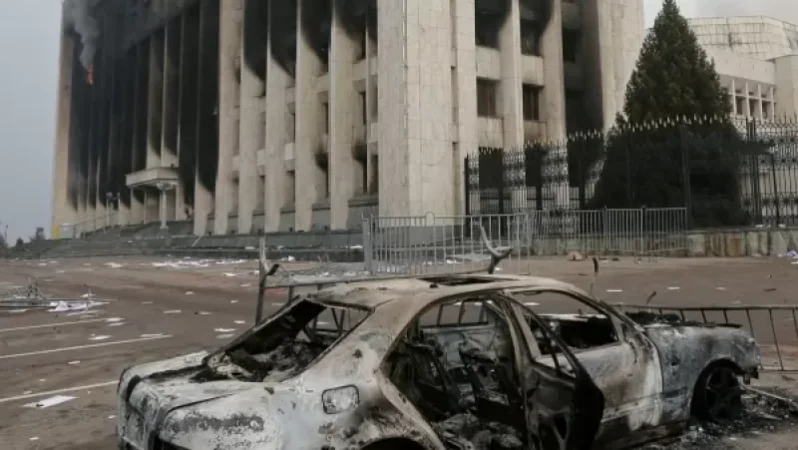
Al-Monitor. The crisis in Kazakhstan signifies a defeat for Turkish nationalism in foreign policy. Turkey had a brutal start to 2022. Its foreign policy, which seemed victorious and very effective in 2021, is experiencing a heavy beginning to the new year amidst currency collapse and rising inflation within the country, writes Chengiz Chandar in his article for Al-Monitor. News.am relays the information.
“The unprecedented and fierce protests that erupted in Kazakhstan on January 2 exposed the flaws of Turkey's aggressive foreign policy, perhaps more vividly than any incident in the last three years. Strangely, these protests in Turkey received almost no proper attention due to the extremely dire internal political and financial situation in the country.
In 2020, Turkey's military-political role changed the course of the Libyan civil war in favor of the forces located in Tripoli. Turkey challenged France, Greece, and the European Union during contentious territorial disputes in the eastern Mediterranean. In the fall of 2020, Turkey's military, political, and diplomatic support for Azerbaijan during the Nagorno-Karabakh war dramatically shifted the balance of power in favor of Baku. Thus, with enhanced Trans-Caspian ambitions reaching into Turkic Central Asia through Azerbaijan, Turkey entered 2021 as a new revisionist power, albeit not on the same level as Russia and China.
Turkey attempted to utilize the Turkic Council to assert its ambitions in Central Asia. The council, considered an initiative of Kazakhstan's former leader Nursultan Nazarbayev, was established in 2009. In line with its new political stance, Turkish President Recep Tayyip Erdoğan became the new president of the body during a summit held in Istanbul on November 12, 2021. Erdoğan's loyal ally, Devlet Bahçeli, leader of Turkey's extreme nationalist party, presented him with a giant map of the Turkic world, encompassing significant portions of the Russian Federation, which bewildered Moscow and angered Beijing, engaged in the oppression of the Turkic minority, the Uyghurs.
However, it took the Turkic States Organization (TSO) only two months to demonstrate its impotence, revealing Turkey's modern irrelevance. On January 2, Kazakhstan exploded. Yet, Kazakhstan's security service knocked on the door not of the Turkic Council, but rather the Collective Security Treaty Organization (CSTO).
In short, the Kazakh leadership, in a moment of urgent security needs, chose Russia over Turkey, and Vladimir Putin over Erdoğan. Kazakhstan has special relations with Turkey. The two countries, alongside Azerbaijan, have been the main pillars of the TSO. Kazakhstan signed a military cooperation agreement with Turkey, which implies collaboration in various fields, including defense industry, intelligence sharing, joint exercises, information systems, and cyber defense. The growing military ties between Turkey and Kazakhstan, as well as Uzbekistan, birthed the fantastic idea of creating a Turkic NATO in October 2020.
In this context, Kazakhstan's decision to invite the CSTO instead of the TSO has profound symbolic significance. This choice also showed that unlike President Ilham Aliyev of Azerbaijan, who did the exact opposite nearly a year ago during the war with Armenia over Nagorno-Karabakh, the Kazakh regime prefers Russia over Turkey at any cost to the authority of the TSO.
The request from Kazakhstan's president for the deployment of Armenian soldiers and Russian special forces in Kazakhstan was more shocking than anything else and perhaps even more offensive to Turkish nationalists. The announcement about the deployment was made by Armenian Prime Minister Nikol Pashinyan, a staggering irony reflecting the degradation of Turkey's foreign policy.
Even more intriguing is the anti-American and anti-Western mania among certain secular nationalists and leftists in Turkey. For instance, in response to the events unfolding in Kazakhstan, notable Turkish retired Admiral Cem Gürdeniz labeled the unrest an
Նմանատիպ հոդվածներ

Ավելին Other բաժնից

20:00 Լուրերը մեկ տողով. Աջակցություն Գագիկ Ծառուկյանին և Արեգնազ Մանուկյանին, շոգի նոր ալիք Հայաստանում
19:00 Լուրերը մեկ տողով. Ռուս-ուկրաինական հակամարտության նոր զարգացումներ, Իրանը նախազգուշացրել է Իսրայելին
18:00 Լուրերը մեկ տողով. Ճամբարային սկանդալ, ծնողների բողոքները բժշկական ապահովագրությունից, դժբախտ պատահար գետում