Photos: Military equipment spotted on the streets of Almaty as tension remains high
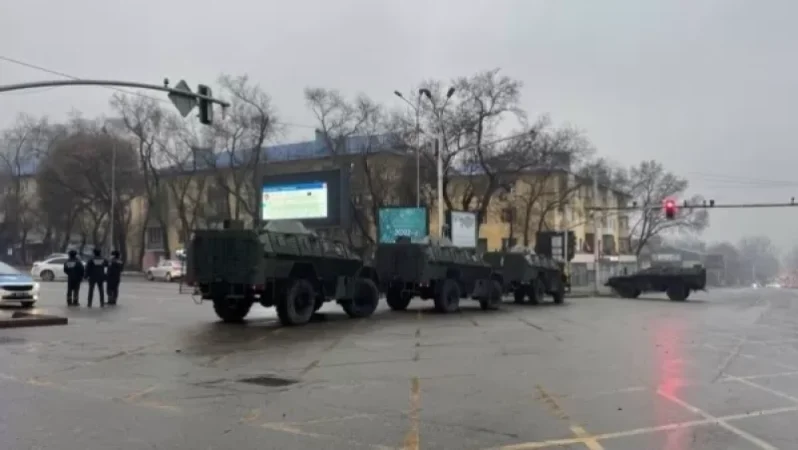
Military units and armored equipment, including armored vehicles, personnel carriers, and military trucks, have appeared on the streets of Almaty following the declaration of a state of emergency. Security forces are securing key urban facilities and major transportation arteries. Around-the-clock duty is also being carried out by emergency services and firefighters. Hundreds of soldiers have been brought into the city.
Currently, the overall situation in the city is calm; however, signs of protests abound—broken glass, fragments of paving stones, and torn posters.
In the early days of the New Year, residents of Zhanaozen and Aktau in Kazakhstan's Mangystau region (an oil-producing area in the west of the country) took to the streets in mass protests against the doubling of liquefied petroleum gas prices. The Ministry of Energy has clarified that as of January 1, the gas price is determined through electronic auction based on supply and demand.
Amidst the protests, the gas price in Europe has once again set a record. On January 3, it was announced that liquefied gas prices would be reduced to previous levels. However, this did not quell the wave of protests.
On the night of January 4 to 5, President Kassym-Jomart Tokayev declared a state of emergency in the Mangystau region and in the city of Almaty; in the morning, the emergency state was extended to the entire Almaty region.
If we summarize the situation in Kazakhstan briefly, it can be characterized as follows:
- As of January 1, the purchase of liquefied petroleum gas in the country has been fully conducted at market prices based on the balance of supply and demand.
- The authorities have clarified that until now, this type of fuel was sold below cost, and producers were selling it at a loss.
- The average wholesale price for liquefied gas deliveries in January has been established at 78 tenges per liter through negotiations, while the retail price is between 100-120 tenges.
- The rise in fuel prices has sparked public discontent in the Mangystau region, particularly in Aktau and Zhanaozen, where protesters began demanding a reduction of prices from 120 to 60 tenges.
- The President of Kazakhstan has instructed a thorough investigation into the situation, a special governmental commission has been formed, and an investigation has been initiated against fuel station owners regarding price collusion.
- Fuel station owners in the Mangystau region have decided to lower the fuel price to 85-90 tenges per liter, and following negotiations between the authorities and local protesters, it has been agreed to drop the price to 50 tenges.
- Today, fuel protests have spread to several other cities in Kazakhstan.
Նմանատիպ հոդվածներ
Ավելին Society բաժնից

ՆԳ նախարարը մանրամասներ է հայտնել 12–ամյա երեխային թմրամիջոց տալու դեպքից. վարկածներ կան
Հայկական արտադրանքի ԵՄ արտահանման հեռանկարները. Պապոյանի պարզաբանումը
ՏԵՍԱՆՅՈՒԹ. Երևանում խցանումների կառավարման նոր ծրագիր. Ավինյանը մանրամասնել է