Violations Found in 12 of 36 Meat Stalls in Armenia
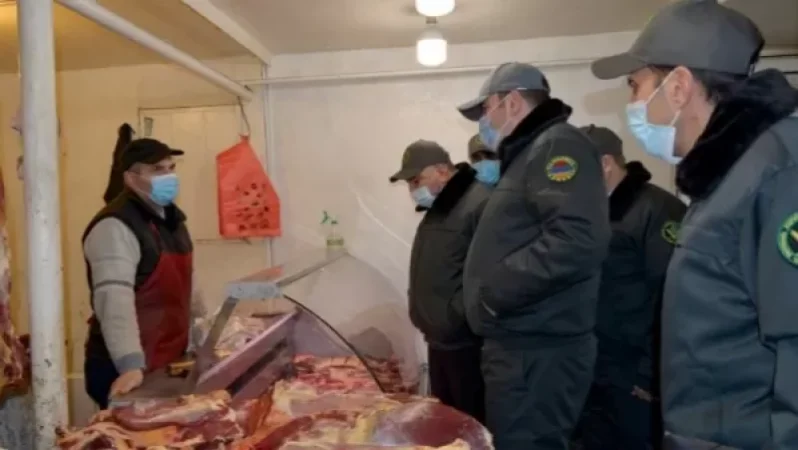
The Food Safety Inspection Body of Armenia began enhanced supervision of meat sales points on December 21 in anticipation of the New Year. Inspectors carried out surprise visits both in the early morning, coinciding with meat supply hours at markets, and in the evening when sales of non-slaughterhouse meat are more likely to occur.
All 36 meat stalls on Khorenatsi Street in Yerevan (located adjacent to the GUM market) were subjected to a 10-day oversight. Each stall was visited several times a day. The primary goal was to monitor the origin of the meat offered to consumers and to ensure compliance with transportation conditions and sanitary-hygienic standards at the stalls.
The summary of the data revealed discrepancies in 12 operators, where the veterinary document No. 5 verifying slaughterhouse origin was absent. The meat was transported using vehicles that did not comply with sanitary-hygienic requirements, and certain stalls did not adhere to sanitary-hygienic norms.
Protocol reports were prepared, and administrative responsibility will be established based on these. Without the accompanying veterinary document No. 5, the meat products were either destroyed or disposed of.
It was also noted that, compared to previous years, there has been a significant improvement in both the transportation conditions of the meat and the sanitary-hygienic state of the stalls. A majority of stalls presented the veterinary document No. 5, verifying the slaughterhouse origin of the processed animal origin products and raw materials.
NOTE: The requirement for slaughterhouse origin has been mandatory throughout the republic since July 1, 2020. This entails:
- the circulation of meat that has been slaughtered exclusively in slaughterhouses,
- meat labeling, including details about the slaughterhouse,
- administrative liability for not complying with these requirements.
Form No. 5 includes a label that is filled out and given to the seller by the supplier if the batch specified in the certificate is to be divided and sold at different retail outlets or public catering entities. Along with each divided batch, a label is issued that corresponds to the sequential numbering of the certificate.
The sale of veterinary certificate form No. 5 incurs criminal liability. Buyers and sellers of animal origin products are obliged to request its verification of slaughterhouse origin and safety through form No. 5 or the label. Additionally, consumers can demand and verify its authenticity using their phones via a QR code, providing them with all necessary information about the sold meat and ensuring that the specific batch has a slaughterhouse origin and is safe.
Նմանատիպ հոդվածներ

Ավելին Society բաժնից

ՏԵՍԱՆՅՈՒԹ. Երևանում խցանումների կառավարման նոր ծրագիր. Ավինյանը մանրամասնել է

Իլոն Մասկը դարձել է աշխարհի առաջին տրիլիոնատերը
Հակակոռուպցիոն կոմիտեն հաղորդագրություն է տարածել