Tatoyan, Sahakyan, and Artak Zeynalyan Issue Important Statement
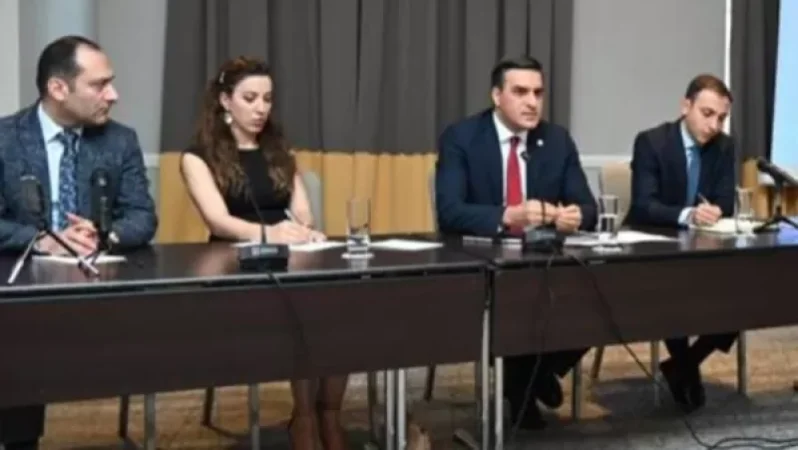
The Defender of Human Rights of Armenia, Arman Tatoyan, along with human rights defenders Siranush Sahakyan and Artak Zeynalyan, have released a joint statement regarding a video posted yesterday featuring the President of the National Assembly of Armenia, Alen Simonyan.
In the video, Simonyan makes claims that do not correspond to reality, regarding the Defender of Human Rights of Armenia and human rights defenders' extraordinary public report from August 9, 2021, titled 'On Azerbaijan's Responsibility for Torturing and Inhumane Treatment of Armenian Prisoners of War.'
In the joint statement, it is noted: 'Firstly, we find it unacceptable to record and disseminate an individual's private relations and dialogue without their informed consent. Regarding the references and characterizations in the joint extraordinary report, we record the following:
- The President of the National Assembly of Armenia, Alen Simonyan, attributes non-existent facts to the extraordinary joint report, claiming that cases of rapes of repatriated prisoners are recorded in the report; however, there is no mention of rape in the report at all. No personal data of any of the prisoners, including photographs and videos, has ever been published in the extraordinary joint public report.
- We inform that international standards for fact-finding work were used to confirm the cases of torture in the extraordinary joint public report. In this regard, fact-finding related to the confirmation of the fact of torture does not necessarily imply that the human rights defender conducting the investigation must be present or participate in the torture process. High-ranking officials are obliged to separate fact-finding work from complicity.
- The extraordinary joint public report does not identify or disclose the repatriated prisoners who have been subjected to torture and inhumane treatment. Instead, it outlines the patterns and general forms of torture that have typically been applied to Armenian prisoners of war in the Republic of Azerbaijan. At the same time, the report indicates that the methods and means of violence applied to the prisoners have varied in each case.
- Additionally, repatriated Armenian prisoners have independently given interviews to various media outlets, openly presenting the torture they have endured during their time in the Republic of Azerbaijan. Furthermore, during the pre-trial investigation, testimonies about torture and inhumane treatment from repatriated Armenian prisoners have been published by the investigating bodies of the Republic of Armenia.
- We find it necessary to emphasize that providing abstract information when presenting data regarding the torture and inhumane treatment of Armenian prisoners to international organizations is ineffective. When initiating international legal proceedings, detailed and specific data is needed, rather than statements and claims. Therefore, we urge high-ranking officials to refrain from making public appearances on such sensitive issues, not to exploit them for political or other purposes, as Azerbaijan successfully uses these against Armenian prisoners' rights in front of international bodies, including judicial ones. Inaccurate statements or characterizations made by high-ranking officials regarding professional reports create obstacles to human rights advocacy efforts.'
Նմանատիպ հոդվածներ
Ավելին Society բաժնից
Ալեն Ղևոնդյանին արգելվել է հրապարակումներ անել և հավաքների մասնակցել
Բացառիկ պատմական արժեք ներկայացնող նվիրատվություն՝ Մատենադարանին
Մարգարայի անցակետում ուշագրավ զարգացում է արձանագրվել